- Category
- Latest news
Ukraine Offers Germany Real-World Battlefield Testing Through “Test in Ukraine” Platform
 Prefer U24 Media on Google
- Authors

-72b63a4e0c8c475ad81fe3eed3f63729.jpeg "Photo of Cyril Barabaltchouk")
Ukrainian officials held a strategic meeting with deputies from the German Bundestag’s Security and Defense Committee, Ukraine’s Defense Minister Mykhailo Fedorov wrote in Telegram on April 15.
The meeting was led by German lawyer and politician Thomas Röwekamp, to discuss the Russian invasion of Ukraine and ways to deepen bilateral military and technological cooperation between Germany and Ukraine.
We bring you stories from the ground. Your support keeps our team in the field.
Fedorov, sharing the update regarding defense initiatives, noted that Germany remains one of Ukraine’s most critical security partners. During the meeting, the Ukrainian side presented its comprehensive approach to conducting the war across three main domains: air, land, and the economy.
He presented data to the German delegation indicating that Ukrainian forces are not only holding their positions but actively increasing pressure on the battlefield. According to the briefing, Russian personnel losses have currently reached a record high, officially exceeding Moscow’s monthly mobilization capabilities.
The minister attributed this success to Ukraine’s systemic operational work, ranging from the rapid introduction of battlefield innovations to effective resource management and the continuous development of technological capabilities.
The Ukrainian delegation expressed deep gratitude for Germany’s continued support of Kyiv’s key military priorities, specifically highlighting the strengthening of air defense systems, the provision of long-range munitions, and the ongoing development of drone capabilities.
Fedorov specifically praised the Bundestag’s role in directing resources toward areas that yield the highest strategic impact for the Ukrainian Defense Forces.
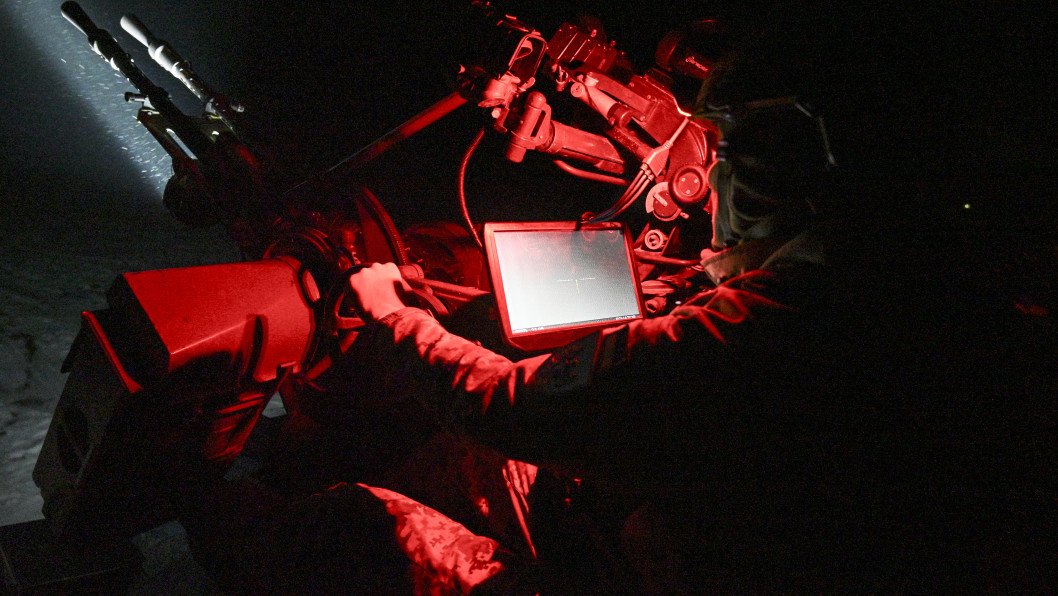
“An approach to waging war across three domains—air, land, and the economy—was presented. Data was provided showing that on the battlefield, we are not only holding our ground but also increasing the pressure,” Fedorov said.
“Russia’s losses have reached record levels, exceeding their monthly mobilization rate. This is the result of systematic work—from the implementation of innovations to resource management and the development of technological capabilities,” he continued.
Looking forward, the two countries discussed deepening mutually beneficial cooperation. Ukraine emphasized its readiness to share its unique combat experience and newly developed digital solutions with the German military.
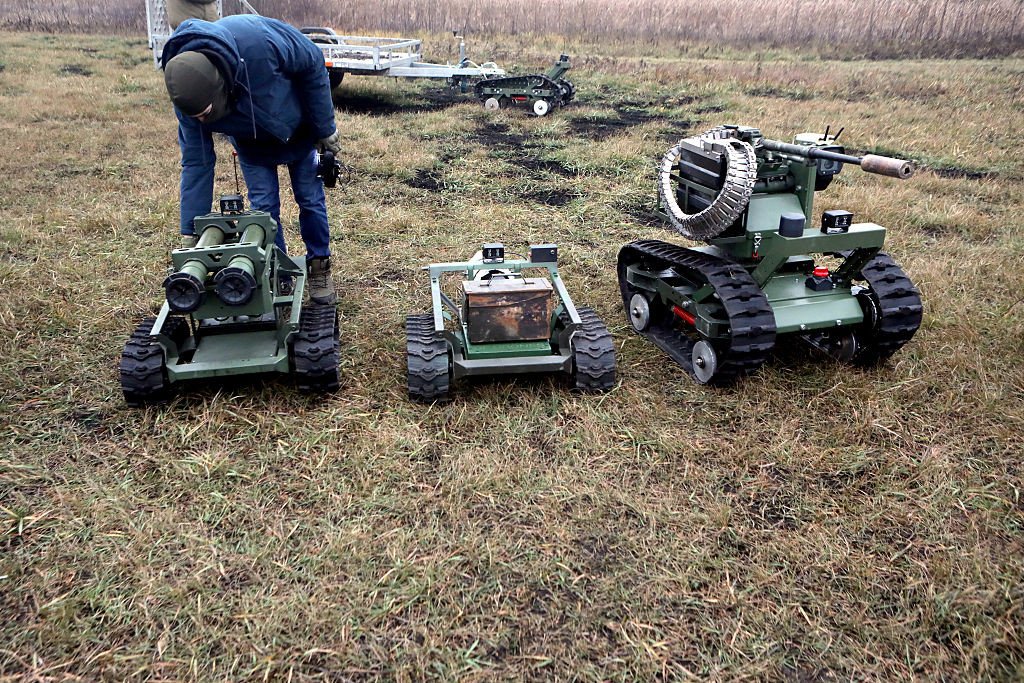
Furthermore, Kyiv proposed expanding the “Test in Ukraine” platform, an initiative that allows allied countries to test their newest defense technologies directly in active combat conditions, thereby strengthening the collective security of all of Europe.
The strategic discussions with the German delegation regarding long-range munitions and battlefield innovation align with recent developments in Germany’s defense sector. German defense giant Rheinmetall had announced a partnership with Dutch aerospace company Destinus to jointly develop new long-range strike systems and rocket artillery ammunition.
Destinus already supplies Ukraine with its Ruta cruise missile, which Ukrainian forces actively use for strikes against targets inside Russia. By establishing the Rheinmetall Destinus Strike Systems joint venture in the second half of 2026, the companies plan to scale the production of cruise missiles and develop European alternatives to US-made HIMARS rockets.
Building directly on the operational experience gained in Ukraine, this partnership aims to address a gap in Europe’s defense industry by creating domestically produced multiple launch rocket system (MLRS) munitions.
Discuss this article:
-9a7b3a98ed5c506e0b77a6663f5727c5.png)


-c439b7bd9030ecf9d5a4287dc361ba31.jpg "Photo of Katherina Popilnichenko")
-111f0e5095e02c02446ffed57bfb0ab1.jpeg "Photo of Roman Kohanets")