- Category
- War in Ukraine
Ukraine Spoofs Two Russian Ballistic Missiles Mid-Flight, Sending Them Into Dnipro River
 Prefer U24 Media on Google
- Authors


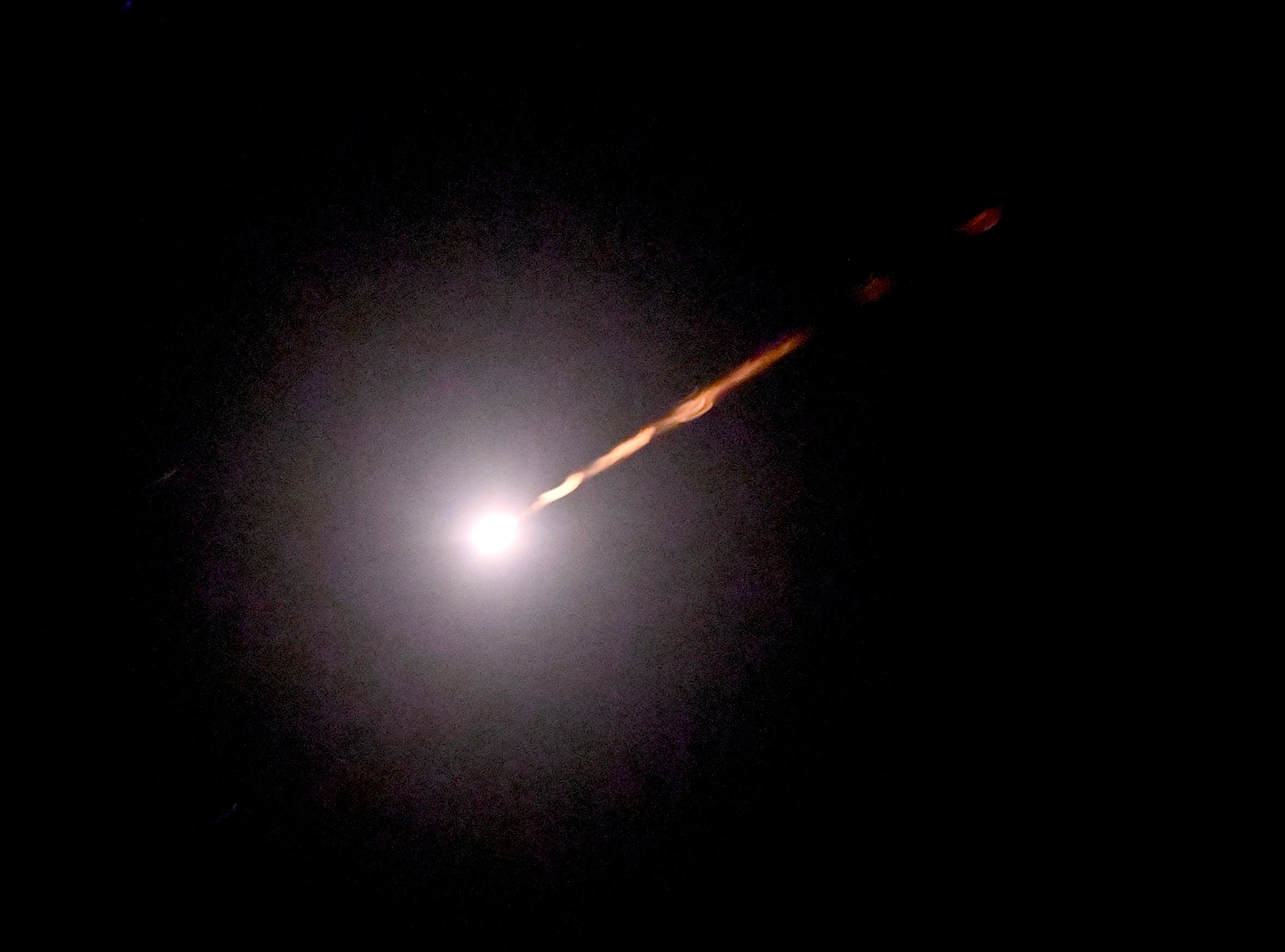
Earlier this year, Ukraine used an electronic warfare system to divert two Russian ballistic missiles from a key government site in Kyiv, causing them to crash into the Dnipro River, according to The Wall Street Journal on October 7.
We bring you stories from the ground. Your support keeps our team in the field.
The missiles were traveling toward the Ukrainian capital at hypersonic speeds when they were disrupted by radio signals generated by the Ukrainian electronic warfare unit Night Watch, which operates the domestically developed Lima system.
North Korean KN-23 ballistic missiles during last night’s massive Russian attack.
— DD Geopolitics (@DD_Geopolitics) October 7, 2026
The KN-23 is a solid-fuel short-range ballistic missile of North Korea’s Hwasong-11 family. pic.twitter.com/wQYJwrU5dI
Around the same time, navigation applications on phones across Kyiv began showing users as being located in Peru—an effect linked to the false positioning signals generated during the operation, according to WSJ.
Night Watch uses Lima to interfere with satellite navigation relied on by Russian drones, guided bombs, and missiles. The system can transmit signals across a range of roughly 120 miles, or 193 kilometers, according to a member of the unit who uses the call sign Alchemist.
Rather than physically destroying an incoming weapon, electronic warfare can jam its navigation or use spoofing to feed its guidance system false positioning information, potentially forcing it away from its intended target.
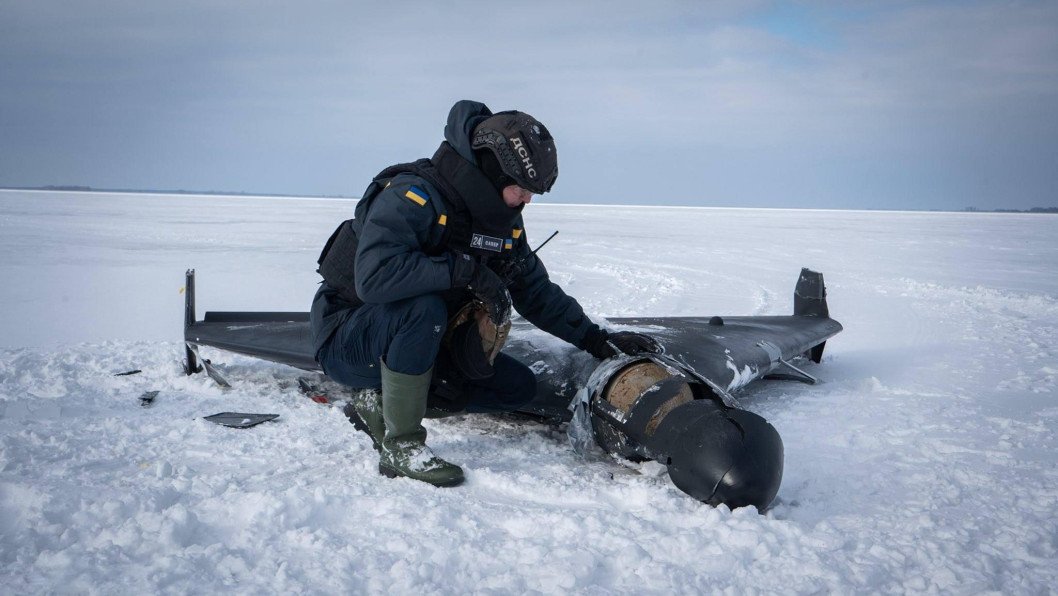
The Wall Street Journal reported that Night Watch also says it used a similar method against a Russian Kinzhal hypersonic missile in November 2025. The system reportedly transmitted false navigation data that caused the missile to change course and ultimately fail while traveling at high speed.
Lima systems are deployed across Ukraine as part of a wider electronic warfare network designed to disrupt Russian precision-guided weapons. Ukrainian personnel told WSJ that the equipment can also interfere with friendly drones, requiring coordination between electronic warfare teams and Ukrainian UAV operators.
An officer with Ukraine’s Unmanned Systems Forces said electronic warfare suppresses between 70% and 95% of radio-controlled Russian drones detected in the sector where his team operates, according to the newspaper.

Russia has meanwhile been modifying its weapons in an effort to overcome Ukrainian electronic countermeasures. According to WSJ, Night Watch discovered in late 2024 that Russian missiles and drones were being equipped with Chinese-made antennas capable of identifying sources of interference and rapidly adjusting to avoid them.
Night Watch and Lima developer Cascade subsequently spent about three months developing an updated version of the system known as Lima Quant.
Earlier, Ukraine reported that the Lima electronic warfare system had neutralized 26 Russian Kh-47M2 Kinzhal missiles in the first three months of 2026, bringing the total to 58 since the system entered service. Lima uses a combination of jamming, spoofing, and cyber interference to disrupt the navigation of incoming missiles and drones.
Discuss this article:
-9a7b3a98ed5c506e0b77a6663f5727c5.png)

-206008aed5f329e86c52788e3e423f23.jpg "Photo of Oleksandr Moiseienko")

-111f0e5095e02c02446ffed57bfb0ab1.jpeg "Photo of Roman Kohanets")