- Category
- War in Ukraine
Ukraine’s Lima Quant EW System Gets Upgrade to Counter Most Advanced Russian Antennas
 Prefer U24 Media on Google
- Authors

-111f0e5095e02c02446ffed57bfb0ab1.jpeg "Photo of Roman Kohanets")
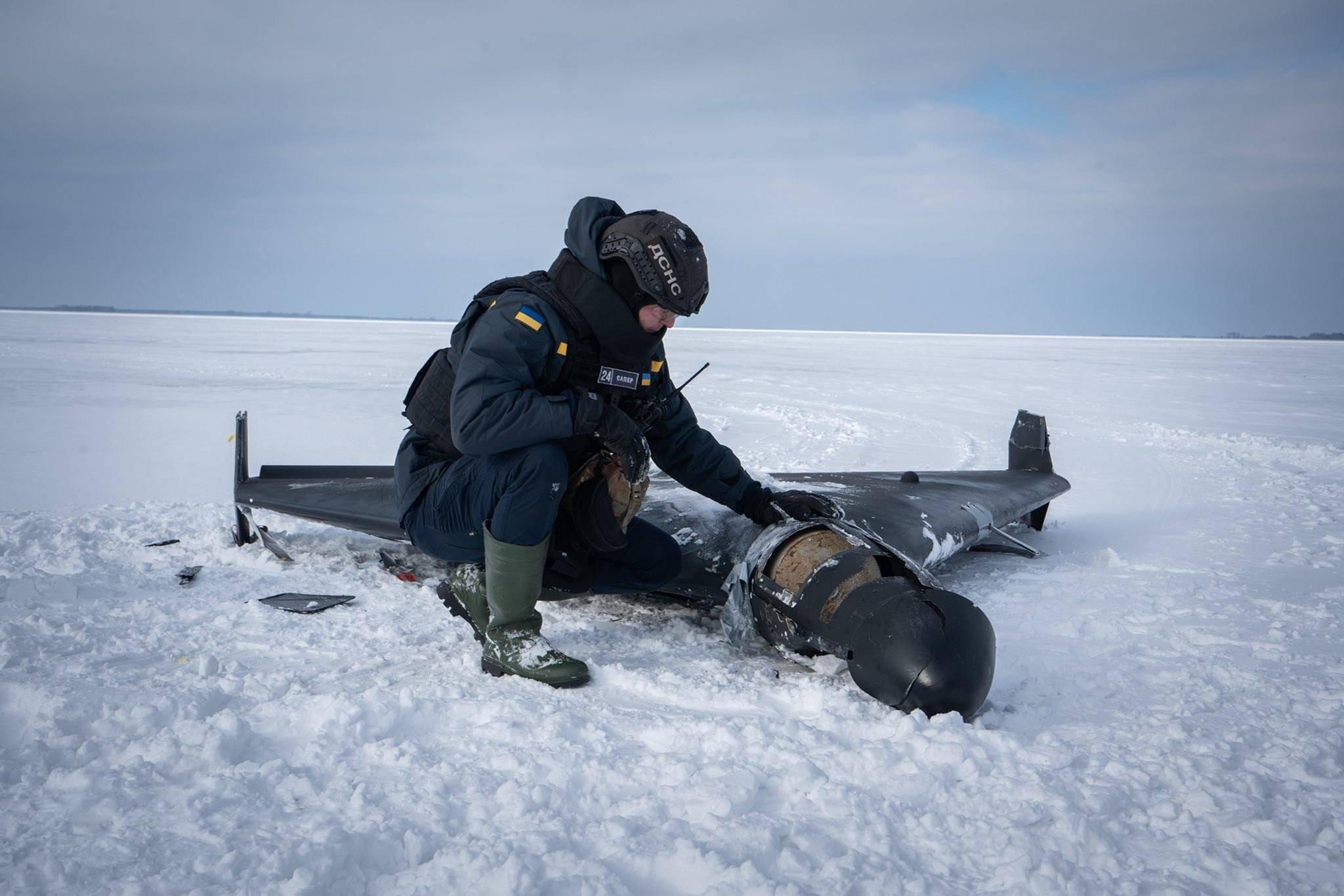
Ukraine has developed a modernized version of its Lima electronic warfare system that can suppress Russia's newest satellite navigation antennas regardless of their size.
The upgrade, known as Lima Quant, was disclosed by the commander of the Night Watch unit, who goes by the call sign Alchemist, in an interview with Militarnyi on July 8.
We bring you stories from the ground. Your support keeps our team in the field.
The need arose in early 2025, he explained, when Russia introduced an antenna that overturned the established rules of jamming. "We compare this to the Germans' creation of the Enigma cipher machine during World War II," Alchemist noted.
Until then, defeating a Controlled Reception Pattern Antenna (CRPA) required as many jammers as the antenna had elements—a four-element array fell to four Lima units, an eight-element array to eight. The new antenna broke that arithmetic.
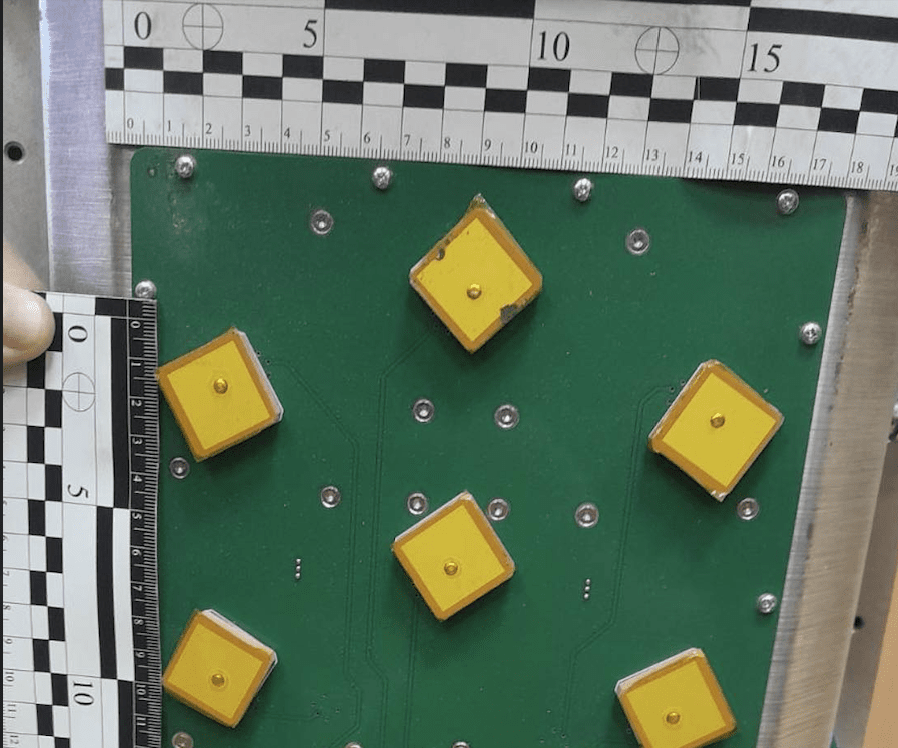
Suppressing an eight-element version suddenly demanded 19 previous-generation Lima complexes, while a sixteen-element wall resisted even 104, Militarnyi added.
Ukrainian specialists built the Quant version in roughly three months, and it remains the only domestic system to pass testing against the twelve- and sixteen-element arrays.
Lima Quant overcomes the antenna by denying it any sense of direction: the array cannot locate the jamming source, and high-energy signals further mask the origin. Its signal is built in layers—one suppresses the navigation antenna, another spoofs it with false coordinates, and, as the developers put it, loads a "virus" that stops the receiver from working.
Additional layers slip past anti-spoofing filters, hiding the source of the main signal.
The system works against the full spectrum of Russian weapons that depend on satellite guidance. These range from Shahed attack drones to Kh-101 and Kalibr cruise missiles, KN-23 and KN-24 ballistic missiles, Kh-47 Kinzhal aeroballistic missiles, Zircon, and guided glide bombs.
-9e1690a7c55de05bea686f8d702fabaa.png)
Many carry the navigation modules that Lima Quant is built to defeat, and no other system has passed testing against the 12- and 16-element arrays now fitted to them.
Russia's antennas have escalated steadily, from 4 elements to 8, 12, and 16, with China recently showing a 32-element version. Ukrainian developers spent three months building the counter to the latest arrays and report that they have already created and tested a system for the next step.
Fully shielding the country against precision strikes is estimated at about $1 billion. Lima now covers an estimated 15 to 20% of Ukrainian territory.
That upgrade extends a system already proven against Russia's most prized munitions. Lima has been credited with tearing apart 61 Kh-47 Kinzhal hypersonic missiles in midair, forcing their navigation computers to execute maneuvers their airframes could not survive.
The wreckage handed Ukrainian specialists intact electronics and hydraulics from a weapon Moscow had kept tightly classified.
Discuss this article:
-9a7b3a98ed5c506e0b77a6663f5727c5.png)


-b3edefa350ac9e77d9bc1b18bd02eac6.jpg "Illustration of a Russian Pantsir-S1 air defense system. (Source: General Staff of the Armed Forces of Ukraine)")


-8efe32f0d3a2b8d38c7673d2cb202b11.jpg "A map showing Ukrainian strikes on Russian missile-related facilities in the Nizhny Novgorod and Tver regions on October 9, 2026. (Source: Oleksandr Manukians/UNITED24 Media)")