- Category
- War in Ukraine
Ukraine Spots Mystery Russian Drone With Red-Starred Wings and Gasoline Engine
 Prefer U24 Media on Google
- Authors


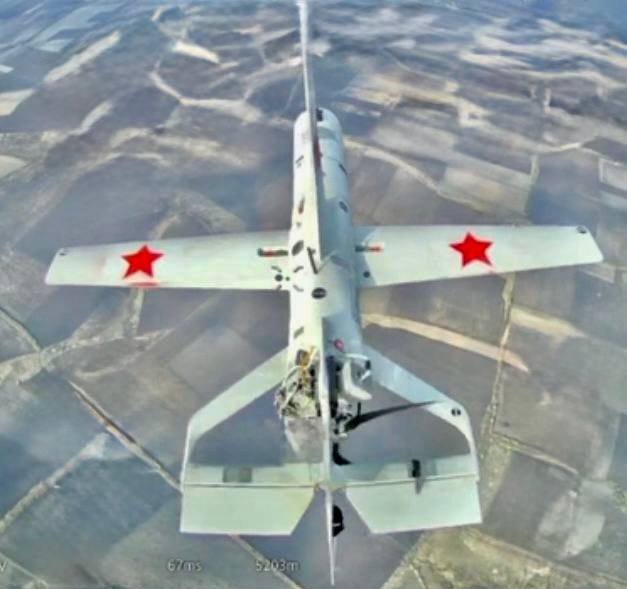
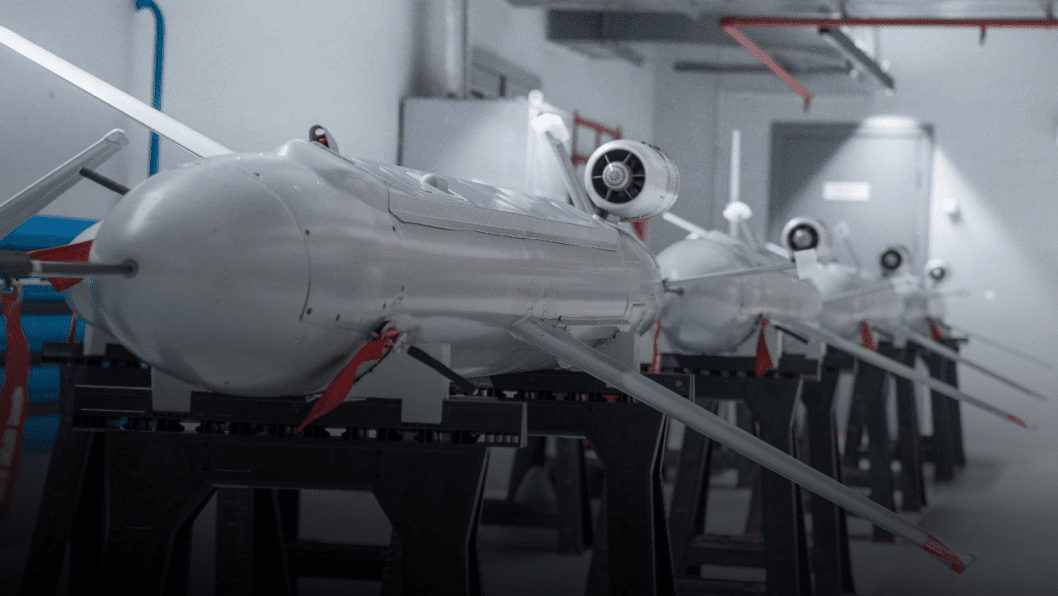
Russian forces have begun using a previously unidentified gasoline-powered drone resembling the Lancet loitering munition, according to information published on October 21.
Ukrainian defense outlet Militarnyi reported the development, citing Serhii "Flash" Beskrestnov, an adviser to Ukrainian President Volodymyr Zelenskyy on defense technologies.
We bring you stories from the ground. Your support keeps our team in the field.
"A new enemy drone has been spotted on the front. It resembles the Lancet in shape but has a gasoline engine. We are waiting for captured examples to study. Get in touch," Beskrestnov wrote on social media.
Beskrestnov later clarified that information about the drone's designation, manufacturer, and technical specifications had already emerged. However, he emphasized that these details remained unconfirmed and would not be disclosed yet.
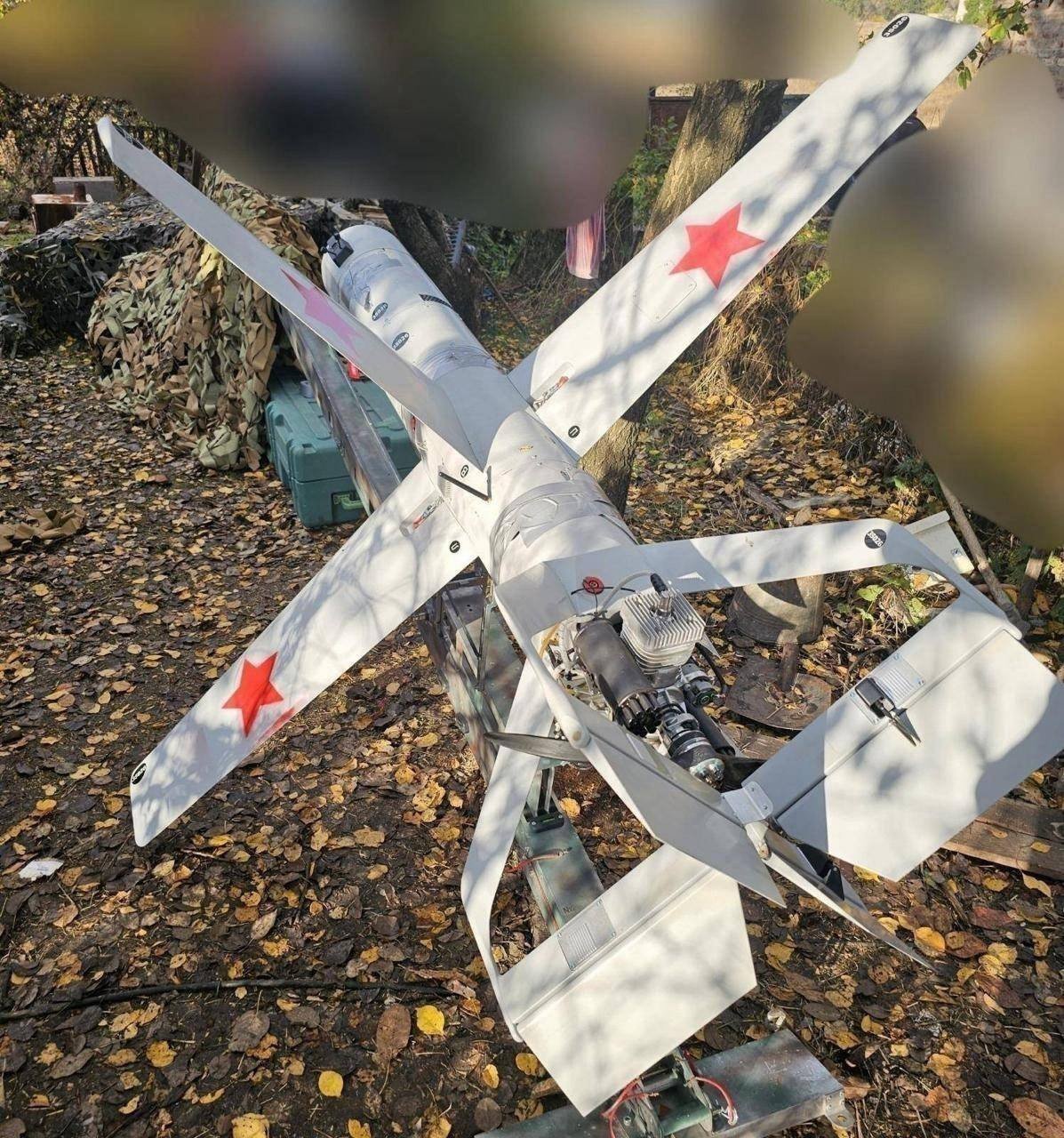
The aircraft's most notable reported difference from the Lancet is its propulsion system. While the Russian Lancet uses an electric motor, the unidentified drone reportedly operates on gasoline. Internal combustion engines can provide greater endurance than battery-powered systems, although the new aircraft's actual range and flight duration remain unknown.
The Lancet is a Russian-made loitering munition developed by ZALA Aero Group. It is designed to strike artillery systems, armored vehicles, radar installations, and other battlefield targets. The system uses electric propulsion and is launched from a catapult, with variants carrying different warheads.
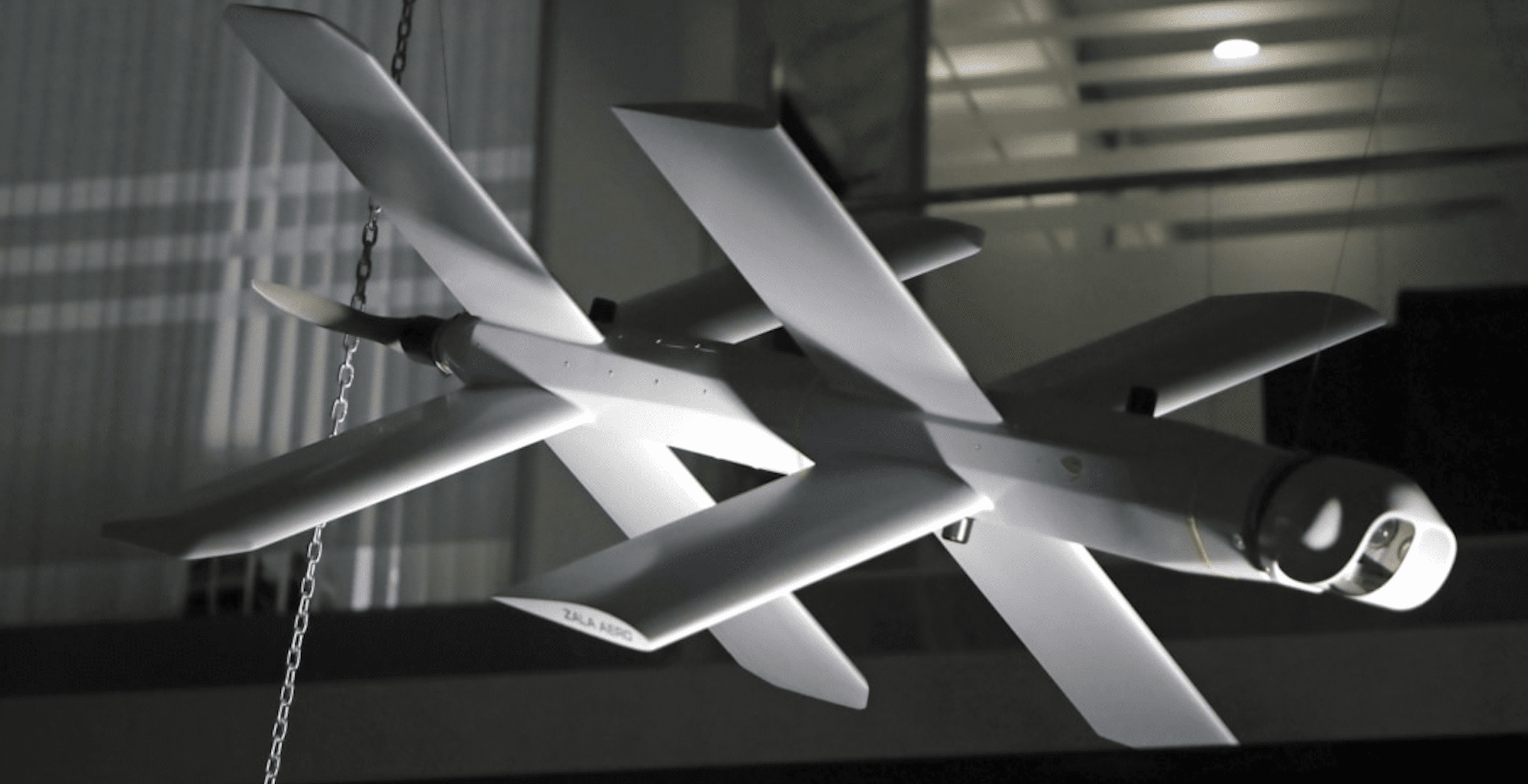
The appearance of the unidentified aircraft follows earlier Russian efforts to modify the Lancet family. In September 2025, Militarnyi reported that Russian forces had introduced an updated Lancet featuring a redesigned antenna system. The modification potentially affected the drone's communication capabilities, although Ukrainian forces continued intercepting the upgraded systems.
The rapid evolution of Russian drone designs reflects a broader pace of change that Ukrainian commanders and defense specialists have repeatedly warned about.
At a defense forum in Kyiv on September 25, military officials and industry figures cautioned that frontline technology can now shift within just several months. They called for faster innovation, wider use of artificial intelligence and autonomous systems, and engineering forecasts able to anticipate Russian developments six months to a year in advance.
Ukraine has leaned heavily on its own industry to keep pace, with domestically produced systems accounting for 95% of unmanned aerial vehicles procured for its Defense Forces.
Discuss this article: