- Category
- War in Ukraine
Ukraine’s Ground Robots Just Passed 25,000 Missions a Month as Front-Line Logistics Go Unmanned
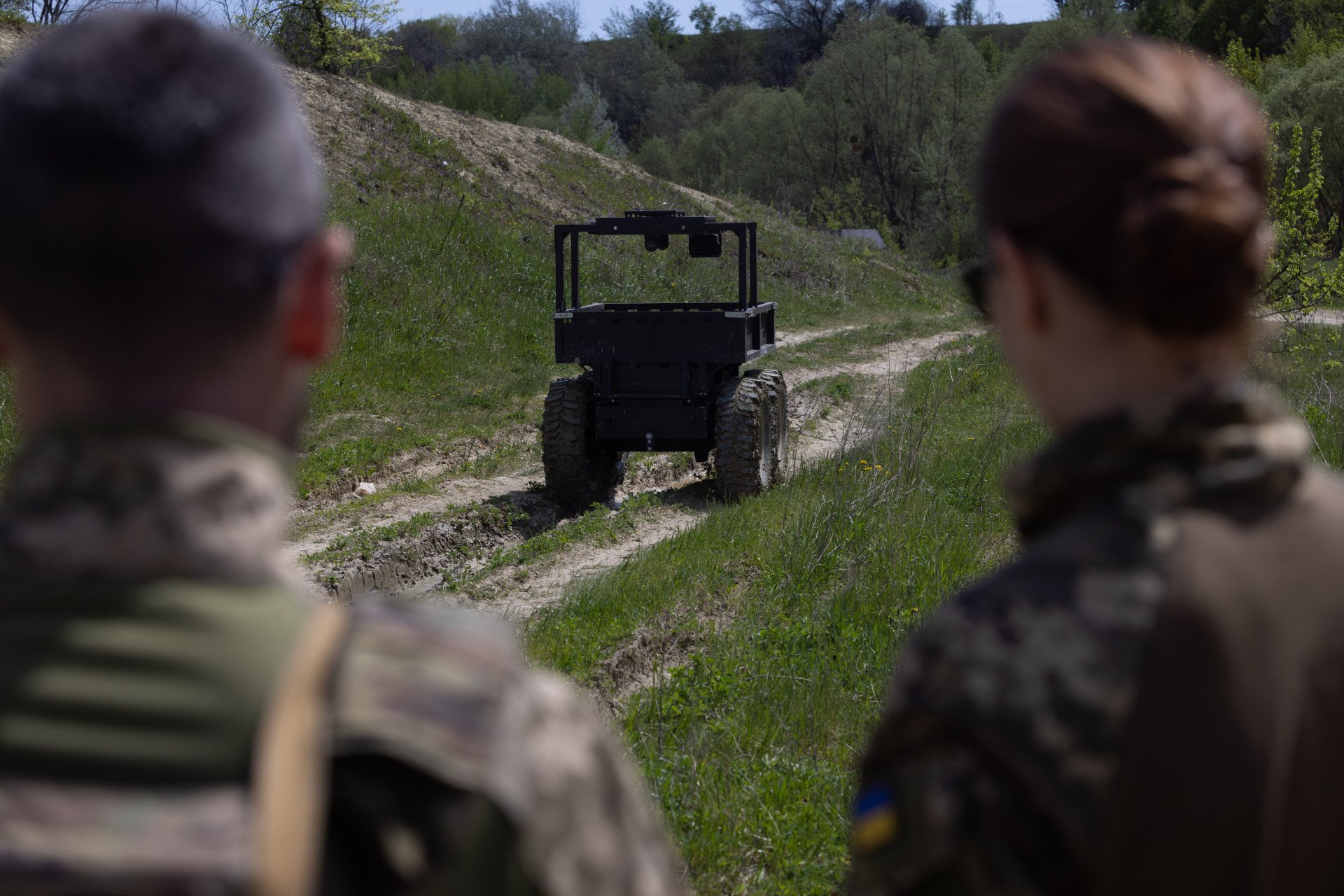
A supply run across an exposed stretch of the front can end in seconds, especially when a soldier is spotted by an enemy drone. Increasingly, Ukraine sends ground robots to take that risk for them. In August alone, these machines carried out more than 25,000 missions.
 Prefer U24 Media on Google
- Authors

-29a1a43aba23f9bb779a1ac8b98d2121.jpeg "Photo of Illia Kabachynskyi")
In the first eight months of 2026, the number of monthly missions carried out by unmanned ground vehicles on the front line more than tripled, with the total number of robotic missions around 112,000.
A segment of military equipment that barely existed three years ago is now taking over logistics and evacuation duties.
Ukraine’s unmanned ground vehicles carried out more than 25,000 missions, Ukraine’s Defense Ministry reported, releasing new statistics for August. This is more than three times the figure recorded in January 2026. The overall trend is as follows:
January — 7,511 missions
February — 7,960 missions
March — 9,072 missions
April — 11,028 missions
May — 14,059 missions
June — 16,664 missions
July — 19,940 missions
August — 25,143 missions
Notably, the pace at which UGVs are being deployed for these missions is also increasing month by month. Growth was gradual at the beginning of the year, but the curve began rising sharply in April, with each subsequent month adding more missions than the one before. July saw nearly 3,300 more missions than June, while August added more than 5,200 compared with July. Since the beginning of the year, ground robots have already completed more than 111,377 missions.
-b1a4898f663ddef79cace63841158c87.jpg)
One reason for the steady increase in the number of missions is the procurement of UGVs themselves. At the beginning of the year, the government set a goal of increasing the number of robots on the front line, while new contracts allowed manufacturers to scale up production capacity and produce more systems.
Why Ukraine’s ground robots matter
The primary purpose of robots is to save lives: protecting soldiers’ lives is one of the Ukrainian military’s top priorities. Robotic systems can and do take over some of the tasks that previously had to be performed by people, allowing service members to remain at a safer distance from the front line.
In Ukraine, robots are taking on two major types of missions on a significant scale:
Logistics—delivering ammunition, food, water and equipment to positions that are too dangerous, and sometimes impossible, to reach with conventional vehicles.
Evacuation—transporting wounded personnel away from the front line without putting at risk the soldiers who would otherwise have to carry out such missions.
Most missions today fall into these two categories, but robots are not limited to them. They are also intended to perform combat missions, including:
Mine clearance and remote mine laying.
Assault missions.
During assault missions, a UGV is fitted with a turret, effectively turning it into a remotely operated assault unit. Ukrainian soldiers have already carried out dozens of such missions and periodically deploy robots in attacks on Russian positions.
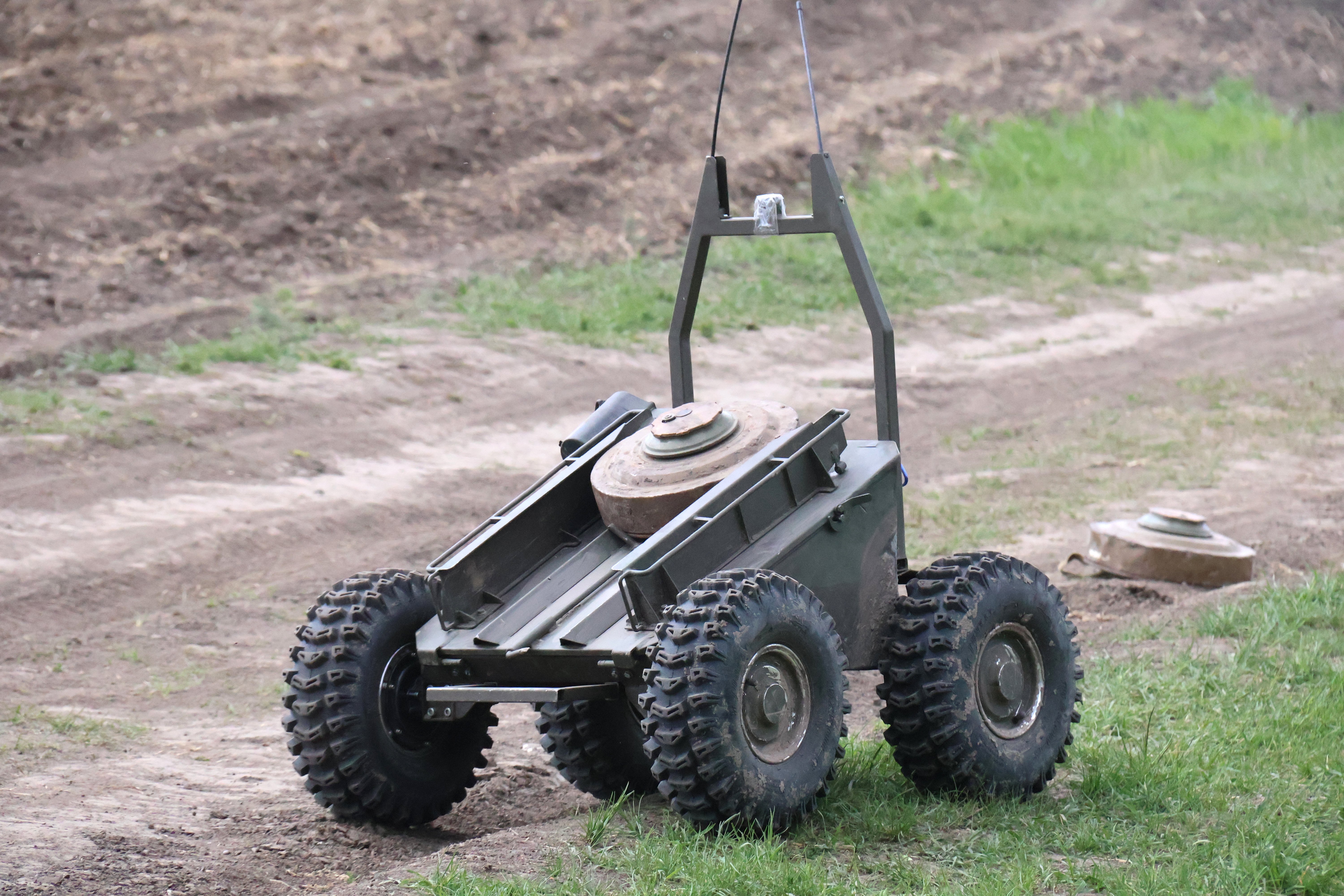
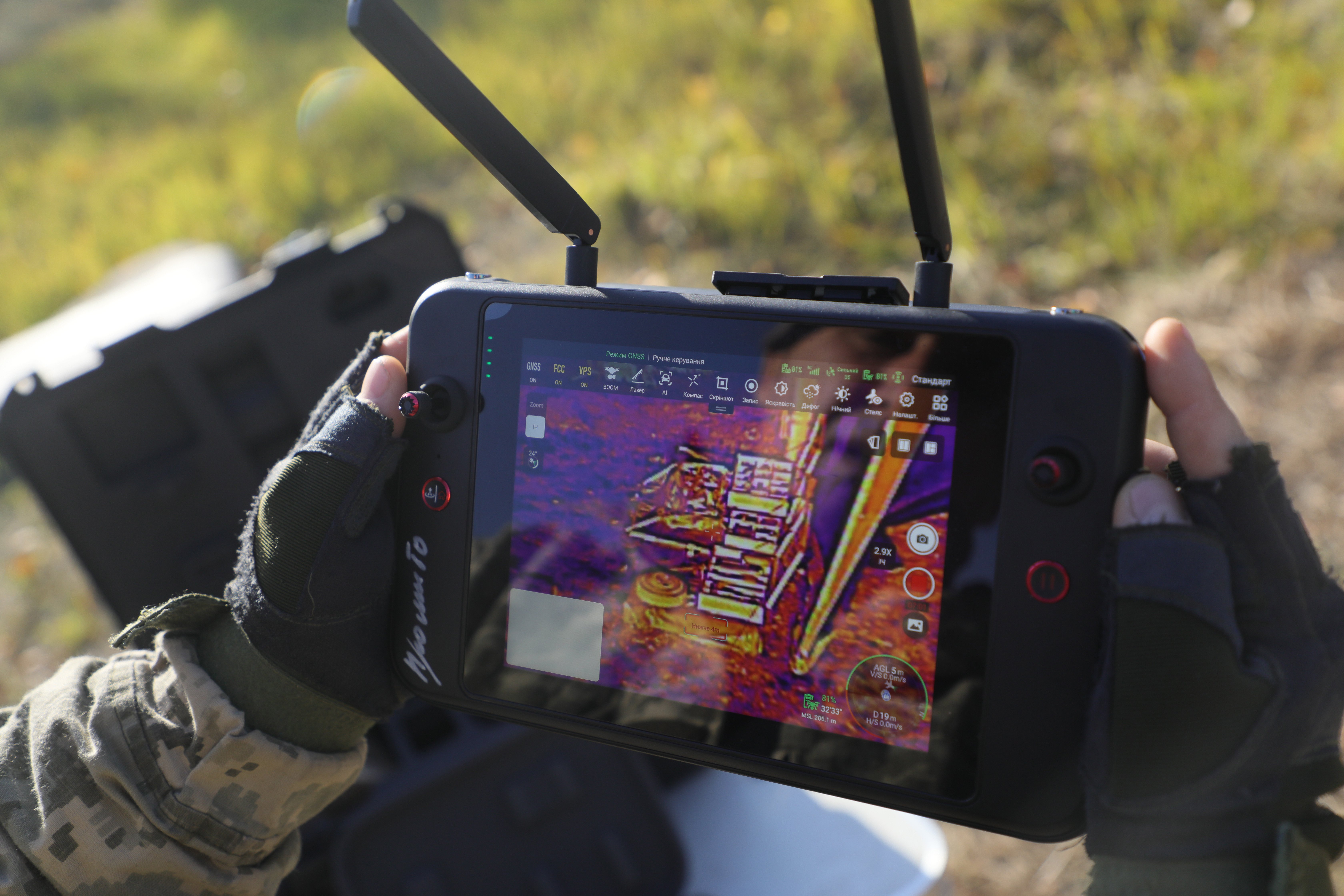
UGVs are taking over precisely the kinds of missions that have caused the greatest number of infantry casualties—moving across open terrain while under fire.
Today, all units that have a need for robots are seeking to use them. In 2025, UGVs were used by 117 units; in 2026, that figure has nearly doubled to 230. Units have begun to accumulate experience and entrust UGVs with increasingly complex tasks—not just one-off supply runs, but also regular evacuation routes and combat functions.
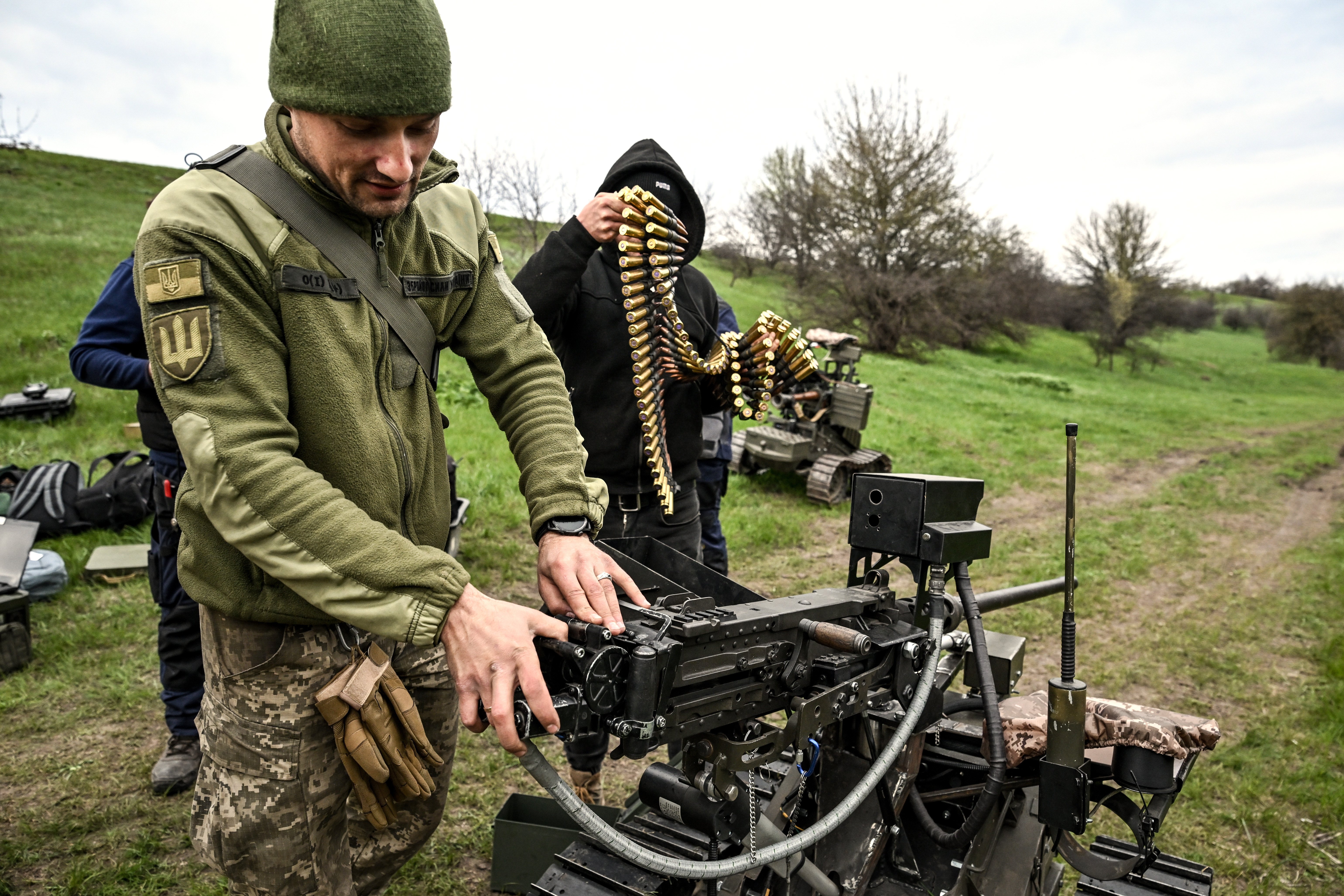
However, as the front becomes increasingly saturated with robots, new challenges are emerging.
Challenges facing robots on the front line
Despite the rapid growth in their use, UGVs are far from being a perfect or indispensable solution. First and foremost, their growing numbers and expanding role on the battlefield have made ground robots a target in their own right.
Russian FPV drone operators are increasingly hunting UGVs specifically, recognizing that disabling a single robot can deprive a brigade of an entire logistics or evacuation route. This is forcing manufacturers and the military to constantly look for ways to protect the equipment, from changing routes to adding armor to the most vulnerable components.
At the same time, the systems require continuous technical improvement. Cross-country mobility, operational endurance, resistance to electronic warfare, and the speed at which systems can be adapted to new threats all frequently have to be improved on the fly, based on lessons learned from front-line use.
Still, the Ukrainian military has demonstrated how quickly a new technology can be developed and integrated into the armed forces when the need arises, turning it into an important part of modern warfare.
Discuss this article:



-c439b7bd9030ecf9d5a4287dc361ba31.jpg "Photo of Katherina Popilnichenko")