- Category
- War in Ukraine
Ukraine’s Ground Robots Complete Record 16,676 Battlefield Missions in June
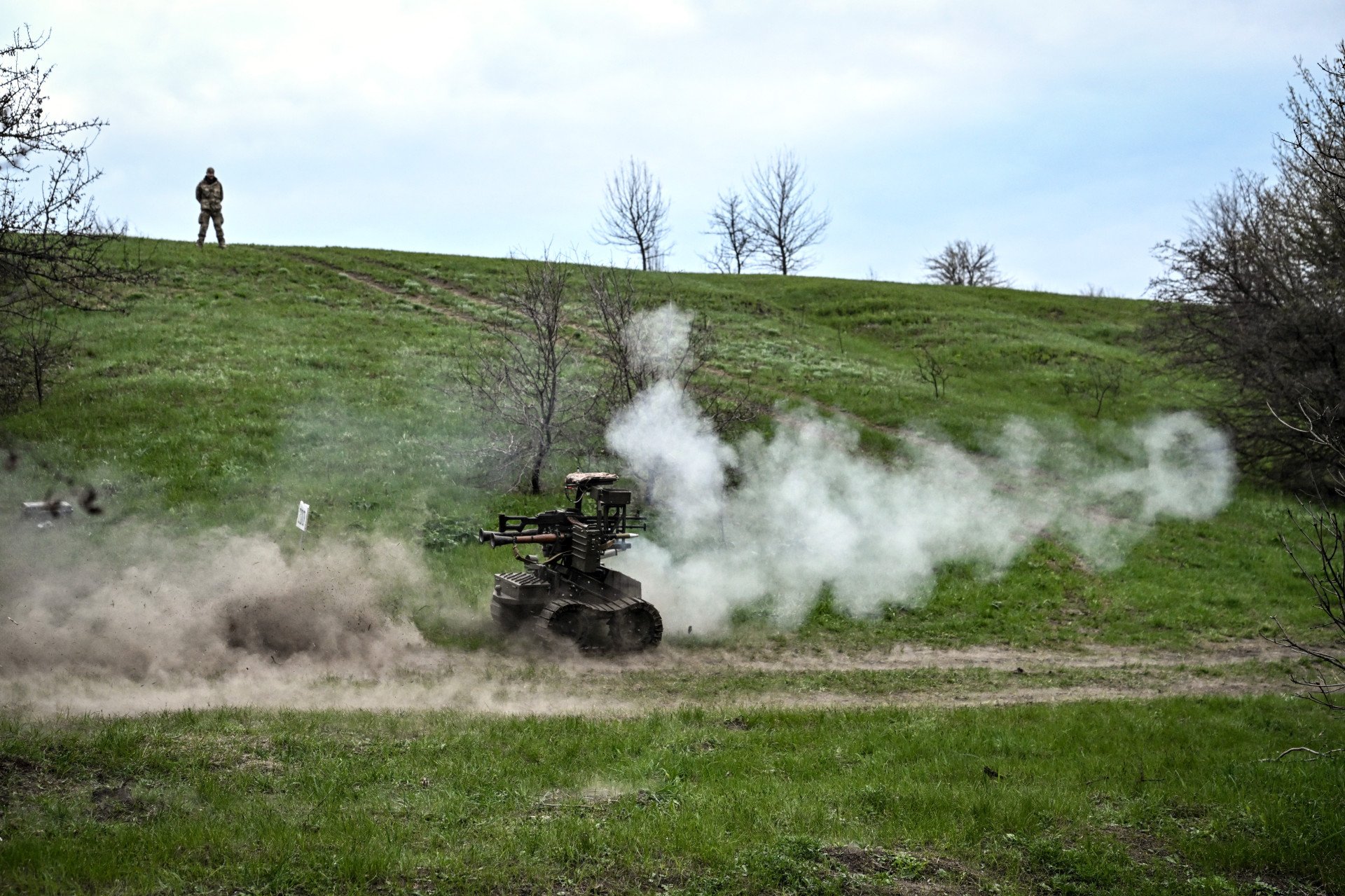
Every box of ammunition delivered to the front and every wounded soldier evacuated has traditionally required someone to risk their life. Increasingly, that “someone” is no longer a soldier on the Ukrainian frontline.
 Prefer U24 Media on Google
- Authors

-29a1a43aba23f9bb779a1ac8b98d2121.jpeg "Photo of Illia Kabachynskyi")
During the first half of 2026, the number of monthly missions carried out by Ukraine’s unmanned ground vehicles (UGVs) on the battlefield more than doubled, surpassing 65,000 missions in total. A category of military equipment that barely existed two years ago is now taking over frontline logistics and casualty evacuation on a previously unimaginable scale. For Ukraine, the shift offers a way to protect soldiers by transferring at least part of the battlefield’s most dangerous tasks to machines.
Ukraine’s monthly UGV missions increase
At the beginning of 2026, Ukraine’s Ministry of Defense identified increasing the number of robotic missions on the battlefield as one of its key objectives. Over the following months, that goal was achieved: in just six months, the number of missions carried out by UGVs rose from 7,495 in January to 16,676 in June. The monthly breakdown is as follows:
January: 7,495 missions
February: 7,961 missions
March: 9,049 missions
April: 10,281 missions
May: 14,096 missions
June: 16,676 missions
Over five months, the number of monthly missions increased by approximately 122%. The pace of growth has also accelerated. While the increase from January through March was gradual, the curve climbed sharply beginning in April. May added more than 3,800 missions compared with April, while June added nearly another 2,600 compared with May. Since the beginning of the year, ground robots have completed more than 66,000 missions.
One of the main drivers behind this growth is procurement. The government is contracting manufacturers for tens of thousands of UGVs, allowing companies to invest in expanding production capacity and increasing output. As a result, manufacturers have stepped up deliveries to the front, supplying brigades with the quantities of ground robots they need.
Why ground robots matter
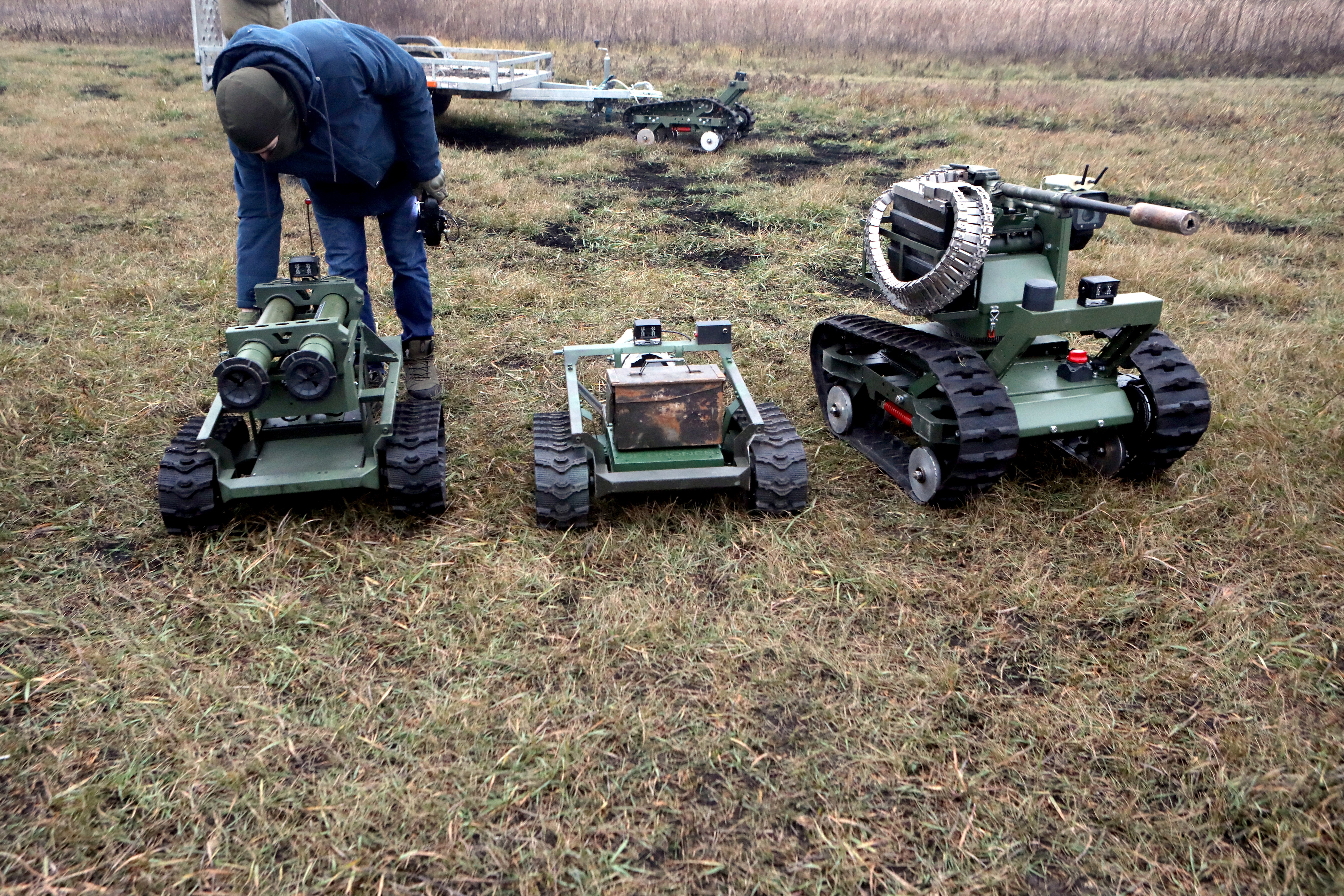
Ukraine’s strategy for investing in unmanned ground vehicles is centered on reducing risks to military personnel by assigning dangerous frontline missions to machines whenever possible. The underlying principle is simple: people are far more valuable than equipment. Today, UGVs are already capable of carrying out a wide range of demanding missions, including:
Logistics: transporting ammunition, food, water, and equipment to positions that are too dangerous for conventional vehicles to reach.
Casualty evacuation: extracting wounded soldiers from the front line without exposing additional personnel to danger.
Mine clearance and mine laying: conducting remote operations involving explosive hazards.
Assault and combat support missions: UGVs are increasingly participating in combat operations rather than serving only logistical roles.
UGVs are gradually taking over precisely those missions that have historically resulted in the highest number of infantry casualties—moving across open terrain under enemy fire.

Scaling up Ukraine’s ground robot force
The integration of ground robots has been gradual. It began with isolated missions in 2023 and 2024, when the systems were still undergoing testing and seeing their first combat deployments. By 2025, however, their capabilities had become evident, leading to their widespread adoption across the Armed Forces.
Since then, the number of military units operating UGVs has grown from 117 at the end of 2025 to 230 by mid-2026. The increase in completed missions also reflects growing operational experience, as units have become more confident in assigning increasingly complex tasks to ground robots—not only one-off supply runs but also regular casualty evacuation routes and combat missions.
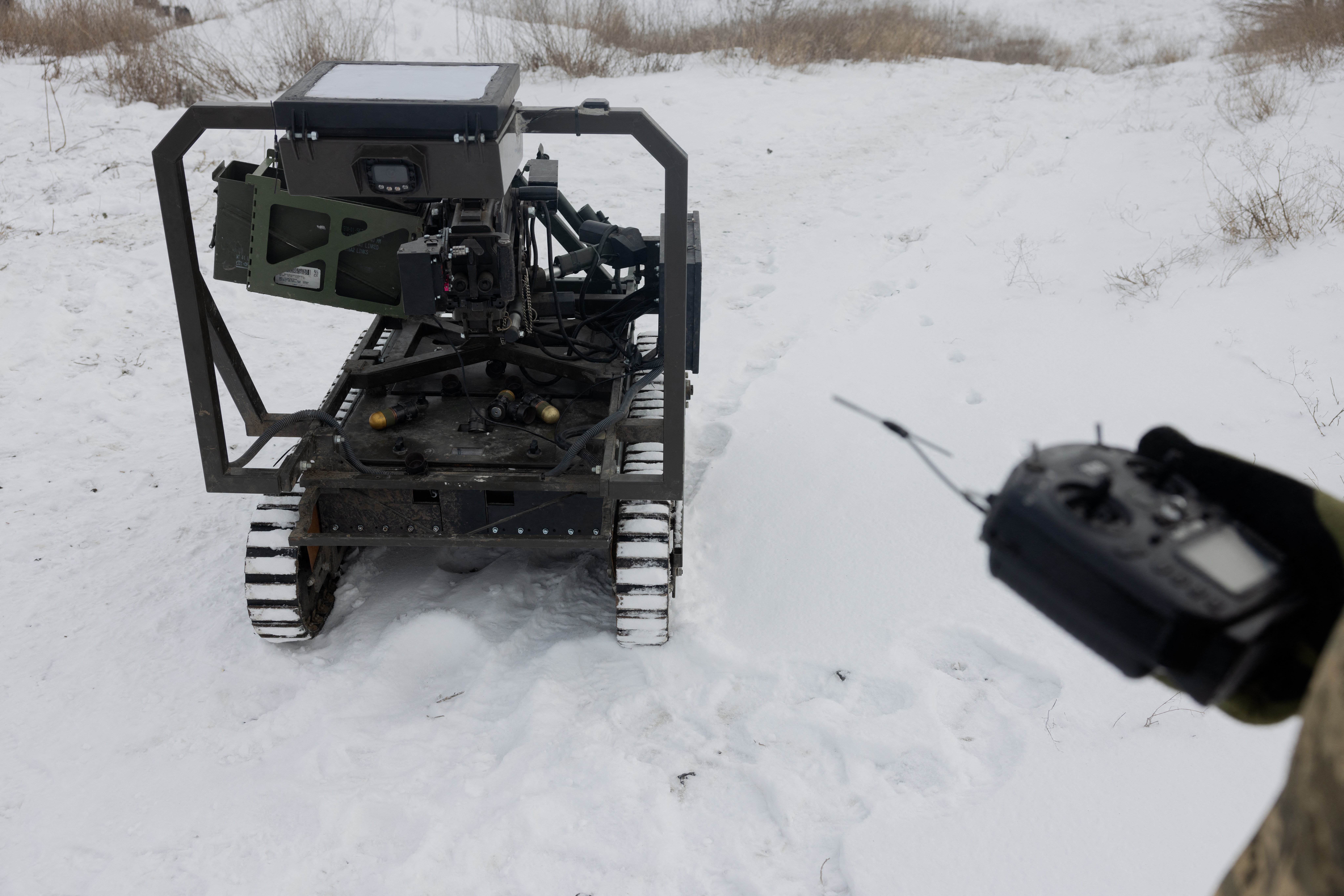
Procurement volumes have expanded dramatically as well. Ukraine’s Defense Procurement Agency has contracted more than 22,000 ground drones for delivery this year, while President Volodymyr Zelenskyy has announced plans to increase annual production to 50,000 ground robots. For comparison, Ukraine received approximately 2,000 such systems in 2024 and around 15,000 in 2025—an increase in deliveries of more than 650% year over year.
The growing importance of these systems is also reflected in official reporting. Ukraine’s General Staff and Ministry of Defense have begun publishing Russian equipment losses, including UGVs, underscoring that UGVs have become a fully established element of battlefield operations for both sides.
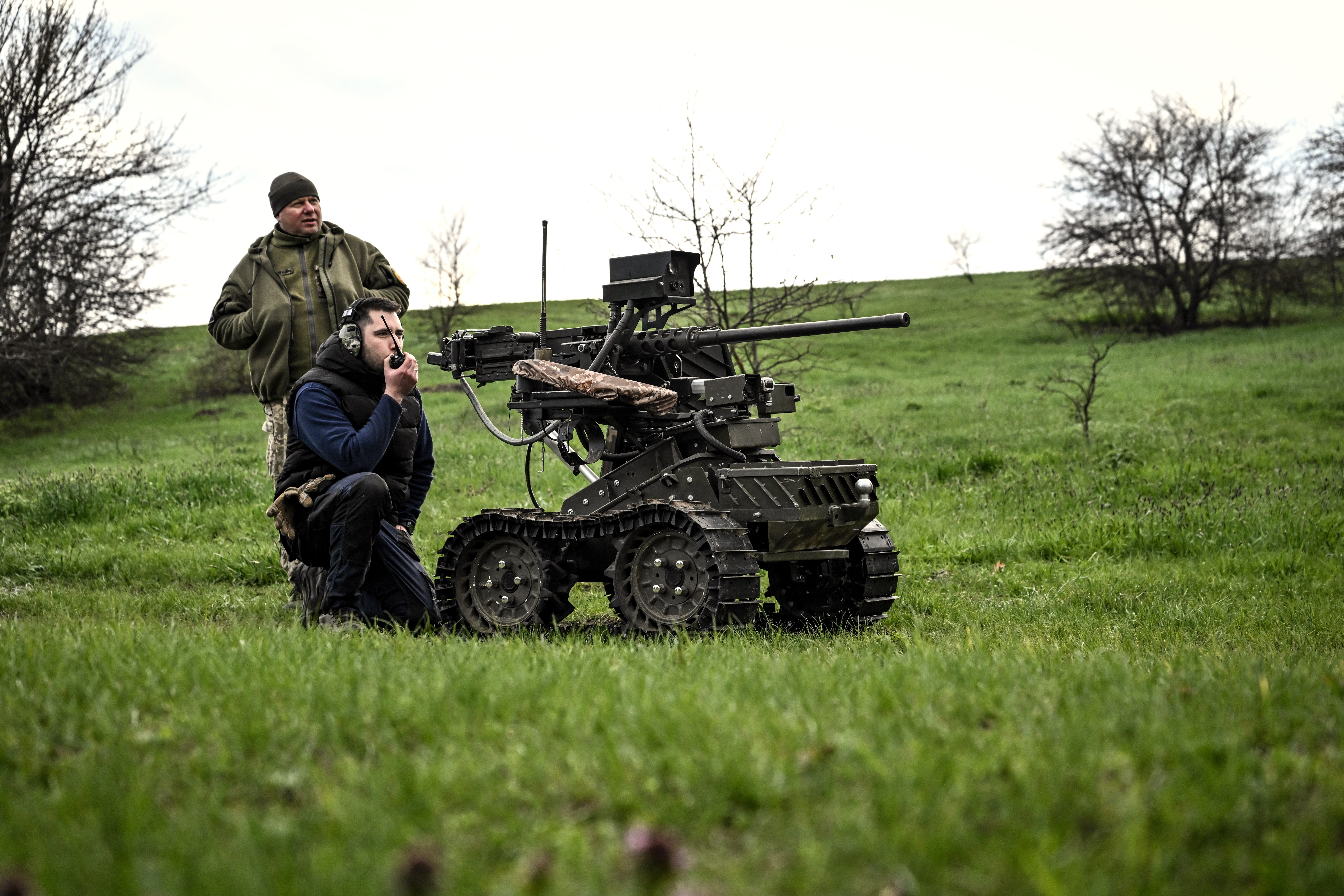
The ultimate objective of employing unmanned ground vehicles is to shift 100% of frontline logistics to robotic systems, eliminating the need to risk soldiers’ lives to deliver ammunition or evacuate the wounded. Ukraine is steadily moving toward that goal.
Discuss this article:






-efa69d4733b5af9f7cd0a642f85424a6.jpeg "Thick black smoke rises from the heavily damaged Proton-Electrotex plant in Orel, Russia, following a reported strike. (Source: Exilenova+)")