- Category
- War in Ukraine
Ukraine’s Strikes on Russian Oil Infrastructure Hit Four-Month Peak
 Prefer U24 Media on Google
- Authors

-c439b7bd9030ecf9d5a4287dc361ba31.jpg "Photo of Katherina Popilnichenko")
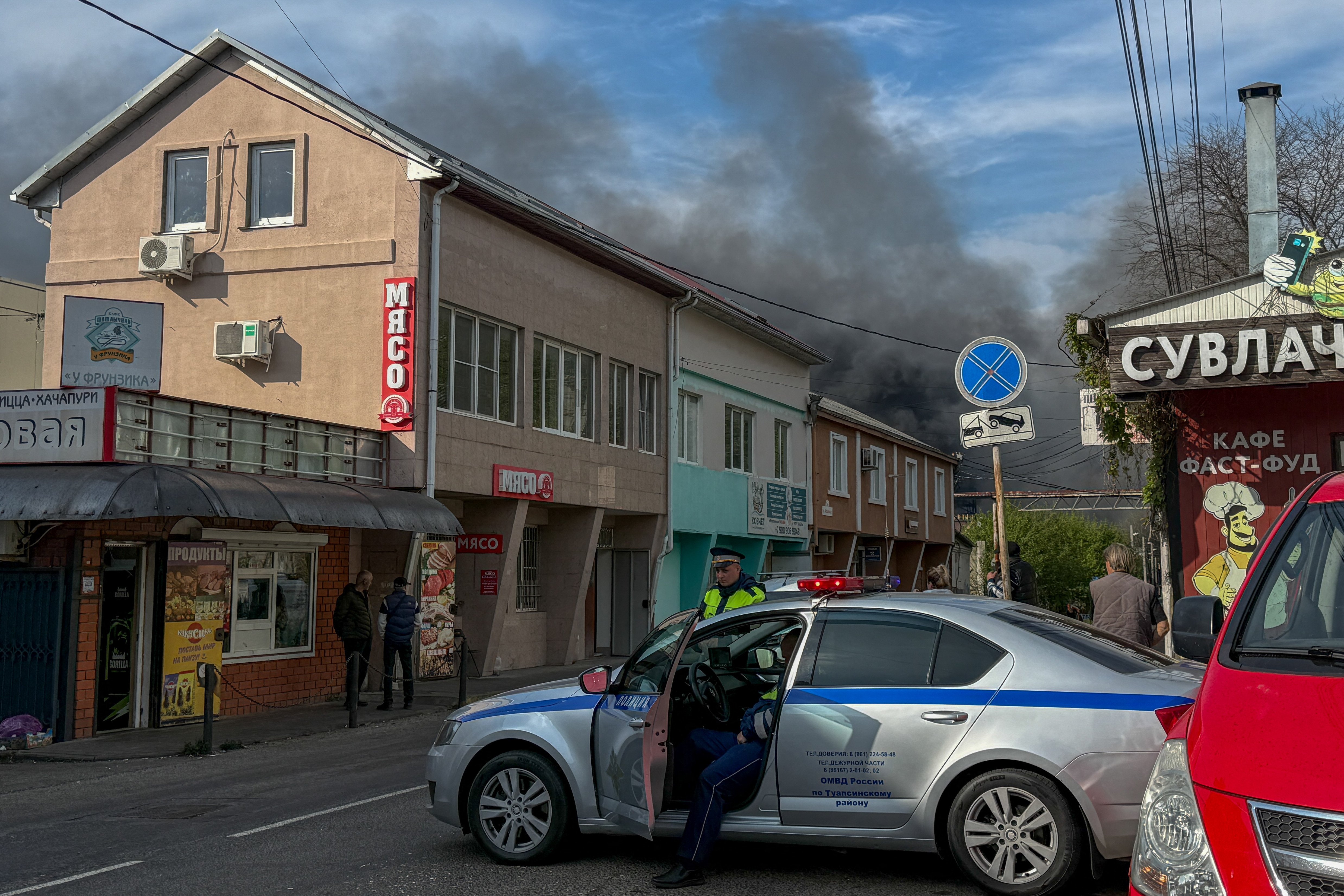
Ukraine’s strikes on Russian oil infrastructure reached a four-month peak in April, pushing refinery processing volumes to a multi-year low, Bloomberg reported on April 30.
We bring you stories from the ground. Your support keeps our team in the field.
At least 21 attacks targeted Russian refineries, export terminals and pipeline networks in April. Kyiv has increased the frequency of these operations to limit the revenue Moscow earns from global oil markets during Russia's full-scale invasion of Ukraine. During the same period, Russia has continued to target Ukrainian civilian infrastructure with hundreds of drones and missiles.
At least nine of the April strikes specifically targeted the Russian refining industry, marking the highest monthly total this year. Analysts at OilX estimate that these actions reduced Russia's average refinery output to 4.69 million barrels per day. This represents the lowest production level recorded since December 2009.
This decline in crude processing is putting pressure on Russia's domestic market as seasonal demand rises. It also affects global fuel markets because Russia remains a major exporter of diesel. The lower output also restricts Russia's ability to increase oil production, which has remained below its OPEC+ quota for several months.
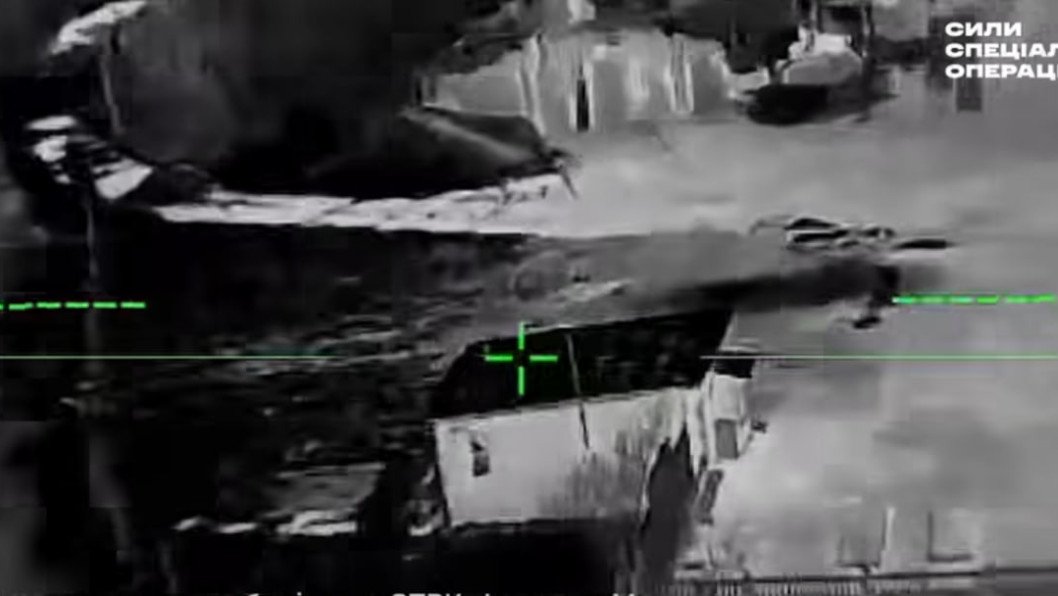
Throughout April, Ukraine has resumed a late-2025 strategy of repeated strikes on the same refineries. This method is intended to maximize physical damage and complicate repair efforts. For example, Rosneft PJSC's Tuapse refinery on the Black Sea coast stopped operations following three separate strikes within two weeks. The resulting fires lasted for days and caused local environmental concerns.
Authorities in Tuapse have been managing oil spills and elevated toxin levels in the air following the fires. Residents were advised to avoid using unfiltered water and to stay indoors. While the drop in refinery activity allowed Russia to temporarily increase its maritime exports in April, this trend may change if ports face further strikes.
Ukraine has also increased pressure on Russia's internal pipeline network, hitting at least five pumping stations in April. These operations targeted facilities located deep within Russian territory rather than export pipelines near the western borders.
While the Russian internal pipeline system is extensive and designed for resilience, these strikes represent a continued effort to disrupt the country's energy logistics.
The economic pressure on Russia’s energy sector is extending into its heavy industry, with the country's major industrial players now reporting severe financial instability. Novolipetsk Steel (NLMK), Russia's largest steelmaker, reported a net loss of 5.9 billion rubles ($64.1M) for the first quarter of 2026, which represented a fivefold increase compared to the previous year.
The company’s revenue dropped by 10% to 145.57 billion rubles ($1.58B), while operating losses rose more than threefold than those recorded in early 2025, reaching 6.1 billion rubles ($66.3M). This financial decline occurred as domestic demand fell and exports decreased by one-third due to sanctions following Russia’s full-scale invasion of Ukraine.
Discuss this article:





-111f0e5095e02c02446ffed57bfb0ab1.jpeg "Photo of Roman Kohanets")