- Category
- War in Ukraine
Ukrainian Partisans Cut Moscow Military Comms to Help Drones Slip Through Russian Air Defenses
 Prefer U24 Media on Google
- Authors


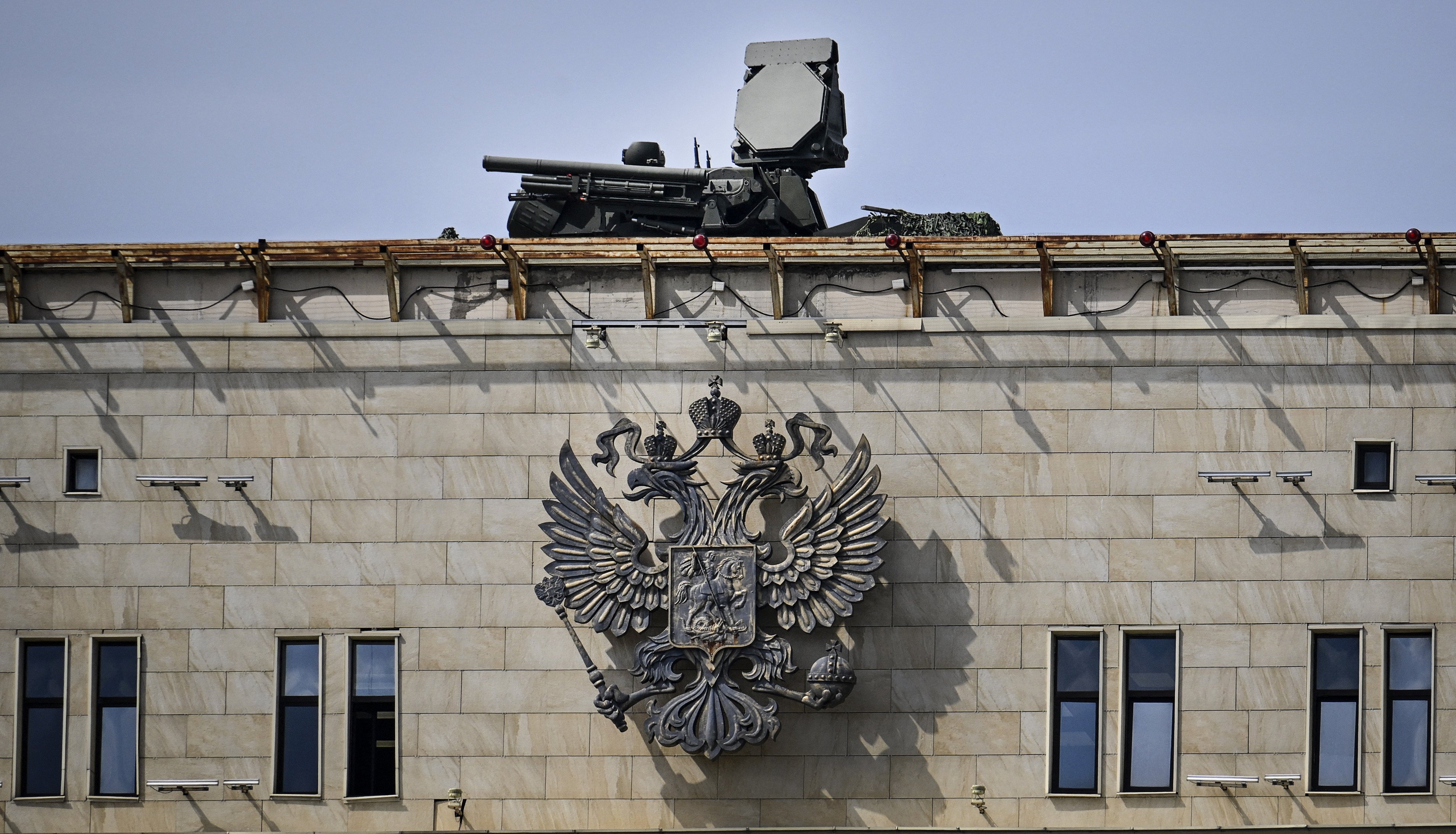
Agents of the ATESH partisan movement are sabotaging Russian military communications around IXcellerate, one of Moscow’s largest commercial data centers, in an effort to disrupt air-defense coordination and help Ukrainian drones reach their targets, the group said on October 21.
“We are disabling enemy channels, disrupting command and control, and helping UAVs reach their targets,” ATESH said.
We bring you stories from the ground. Your support keeps our team in the field.
IXcellerate is a major part of Moscow’s digital infrastructure, supporting banking applications, card payments, telecommunications operators, and business services.
ATESH claims that Russia’s Defense Ministry also uses infrastructure connected to the facility for military communications and air-defense command systems, effectively embedding military traffic within civilian server networks.
❗️ #АТЕШ нарушает линии военной связи вокруг московского дата-центра IXcellerate pic.twitter.com/UARVkf1DHN
— АТЕШ (@AteshOrg) October 21, 2026
According to the movement, drone strikes depend not only on the aircraft themselves but also on disrupting the communications networks that connect Russian air-defense crews and command posts.
Cutting those links on the ground, ATESH says, can delay target information and reduce coordination between air-defense units.
Without stable communications, Russian air-defense crews can lose situational awareness, receive targeting information too late, and struggle to cover the routes used by incoming drones, the group said.

ATESH claims its agents are identifying military communications infrastructure concealed within civilian facilities and disrupting those networks from inside Russia.
The group said Moscow’s attempts to hide military traffic inside civilian server infrastructure have not prevented partisan cells from locating and targeting the communications links supporting Russian military operations.
Previously, ATESH claimed responsibility for sabotaging a critical electrical substation in Azov, Russia’s Rostov region, disrupting power to a defense manufacturing facility that produces guidance systems and other components for Russian missiles.
Discuss this article: