- Category
- War in Ukraine
Ukrainian Strikes Push Russian Seaborne Gasoline Imports to a Record 390,000 Tons
 Prefer U24 Media on Google
- Authors


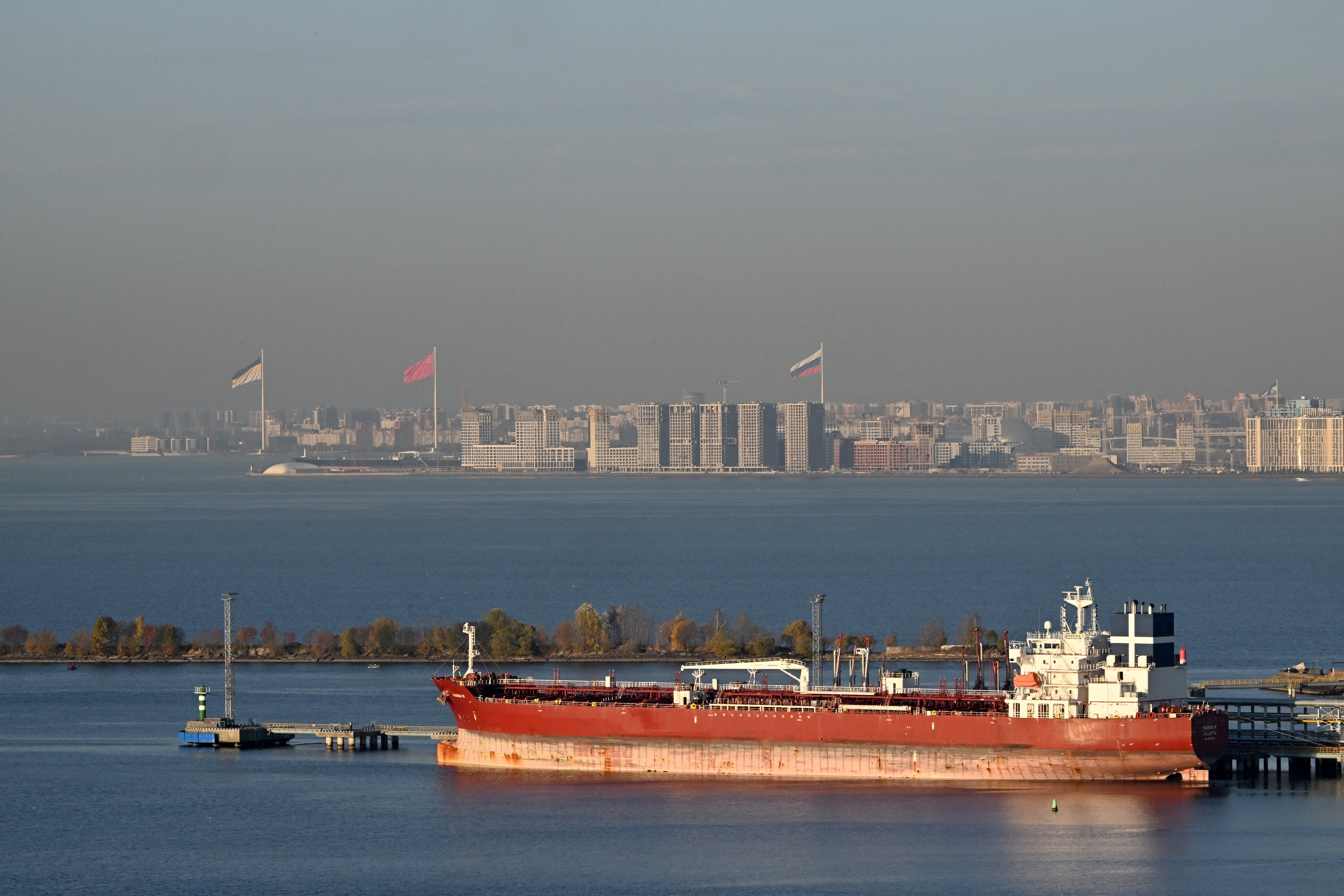
Russia’s seaborne gasoline imports hit a record 390,000 tons in October after Ukrainian drone strikes heavily damaged its oil refineries, according to data from analytics firms cited by the Financial Times.
In addition to sea shipments, Russia imported a record volume of over 600,000 tons of gasoline from Belarus in July, alongside 8,000 tons from Kazakhstan since the start of summer.
We bring you stories from the ground. Your support keeps our team in the field.
Moscow began bringing in gasoline by sea in July, routing tankers to northern ports on the Baltic Sea coast near St. Petersburg and along the White Sea coast. Using these northern routes allowed ships to avoid drone strikes in the Black Sea.
According to estimates by the Belarusian research center Beroc, since the summer, Russia has imported more than 600,000 tons of gasoline from Belarus, alongside another 8,000 tons from Kazakhstan.
Analysts note that importing fuel is no longer just a temporary fix for Moscow, but a key method for covering domestic shortages, the Financial Times reported.

Data firm Kpler also pointed out that ongoing disruptions at Russian refineries are making gasoline imports increasingly necessary for Russia to keep its domestic market supplied.
For now, the Financial Times reports that the domestic fuel situation remains mostly under control, with purchase limits enforced only at Rosneft gas stations, which make up roughly 10 percent of all filling stations across the country. However, analysts warn that conditions could worsen if Ukraine continues to target Russian oil refineries.
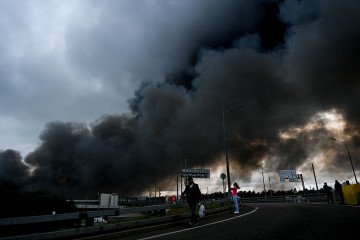
In mid-November, Russia faced the prospect of another severe gasoline shortage after a renewed wave of Ukrainian drone strikes targeted at least nine oil refineries across the country, disrupting facilities responsible for approximately 55% of its commercial gasoline production.
The attacks, which began in late October and stretched from Siberia to the Baltic Sea, struck Russia’s five largest refineries over a two-week period, raising concerns over renewed fuel rationing and long lines at gas stations. According to Sergei Vakulenko, a senior fellow at the Carnegie Russia Eurasia Center in Berlin, the intensity of the airstrikes suggested that production at some affected facilities had come to a complete halt.
Discuss this article: