- Category
- War in Ukraine
Russia’s Gasoline Reserves May Last One Week as Ukraine Hits Refineries Behind 55% of Its Capacity
 Prefer U24 Media on Google
- Authors


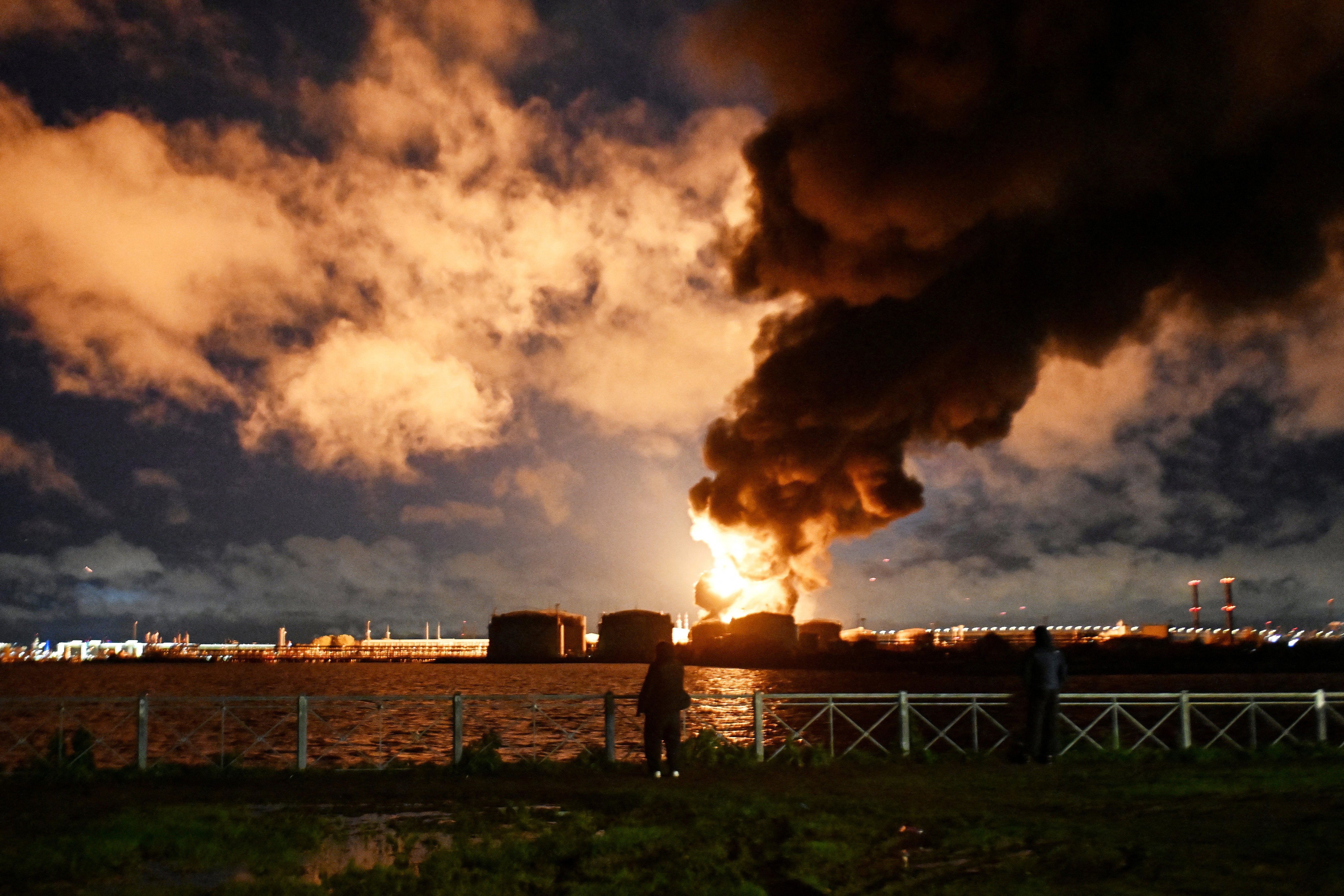
Russia could face another severe gasoline shortage after a renewed wave of Ukrainian drone strikes targeted at least nine oil refineries across the country. This may disrupt facilities responsible for approximately 55% of its gasoline production, The Moscow Times reported on November 13.
The latest attacks, which began in late October and stretched from Siberia to the Baltic Sea, have struck Russia’s five largest oil refineries over the past two weeks, raising the prospect of renewed fuel rationing and long lines at gas stations.
We bring you stories from the ground. Your support keeps our team in the field.
“Now the gasoline situation in Russia is becoming very serious. Given the strikes on Omsk and Volgograd, facilities producing about 55% of Russia’s commercial gasoline—and accounting for roughly the same share of domestic market supplies—have come under attack,” according to Sergei Vakulenko, a senior fellow at the Carnegie Russia Eurasia Center in Berlin.
Vakulenko warned that the intensity of the recent drone attacks suggests some of the affected facilities may have been forced to suspend production entirely.
“Given how intense the airstrikes have been recently, the assumption that production has come to a complete halt may be true,” he added.
Russia’s oil industry had a relatively quiet October, when Ukrainian refinery strikes temporarily subsided. The Moscow Times attributed the lull to pressure from the administration of US President Donald Trump and restrictions affecting Starlink operations.
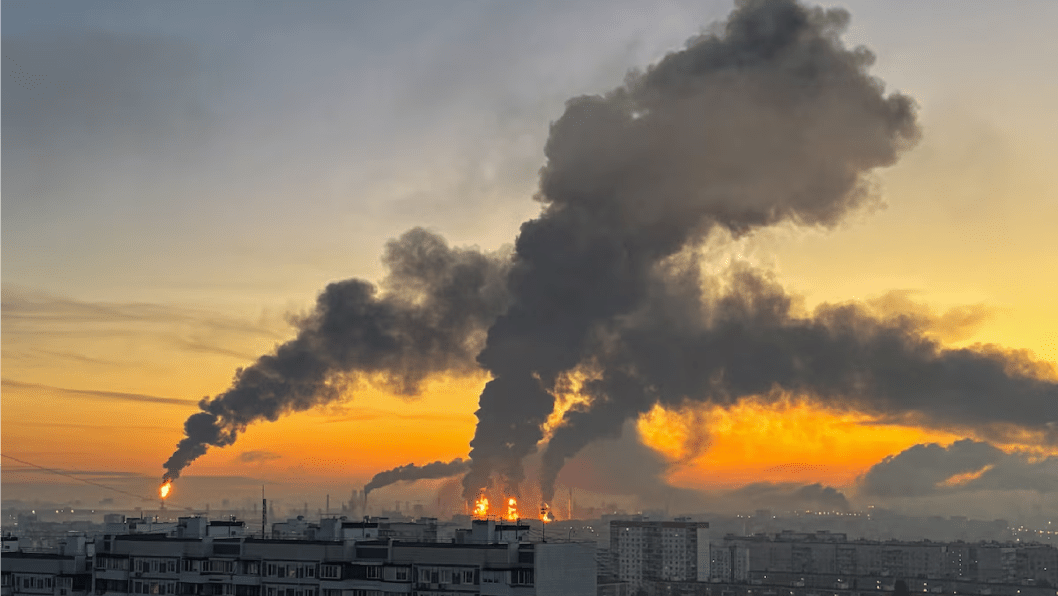
During that period, Russian oil companies may have accumulated additional gasoline reserves. However, Vakulenko estimated that those stockpiles would likely cover only about one week of nationwide consumption, leaving the country vulnerable to further disruptions.
Among the facilities targeted was the Omsk oil refinery in western Siberia, which came under attack on November 11. With an annual processing capacity of 22 million metric tons, it is Russia’s largest refinery.
Two days earlier, on November 9, Ukrainian drones struck the KINEF refinery in Russia’s Leningrad region, which can process approximately 21 million metric tons of crude oil annually.
The attacks also reached two major refineries supplying Moscow. The Ryazan refinery, with an annual capacity of 17 million metric tons, was targeted on November 5, while the Slavneft-YANOS refinery in Yaroslavl, capable of processing 15 million metric tons per year, was struck on November 3.
Another major target was Lukoil’s NORSI refinery near Nizhny Novgorod, which Ukrainian drones attacked on November 1. The facility has an annual processing capacity of approximately 17 million metric tons and ranks as Russia’s second-largest producer of automotive gasoline.
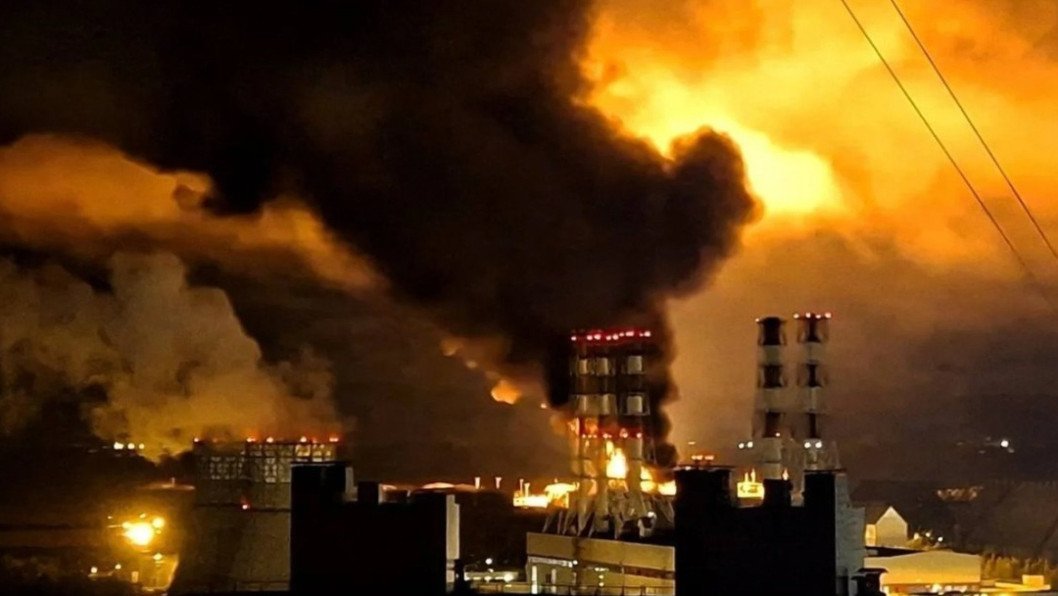
The latest strike in the campaign occurred on November 13, when Ukrainian drones targeted the Volgograd refinery, which has an annual processing capacity of approximately 14 million metric tons.
Other facilities hit during the two weeks included Rosneft’s Novokuybyshevsk refinery, capable of processing 8.3 million metric tons annually, Bashneft’s Ufa refinery, with a capacity of 6.6 million metric tons, and the Afipsky refinery, which can process 7.2 million metric tons per year.
The scale of the attacks has renewed concerns over Russia’s ability to maintain domestic gasoline supplies, particularly if several major refineries remain offline simultaneously.
Previously, a large fire, visible even from Estonia, was reported in the vicinity of Russia’s Ust-Luga port in the Leningrad region, following reports of explosions and air defense activity amid a drone threat warning.
Ust-Luga is one of Russia’s largest commercial seaports on the Baltic Sea, located on the Gulf of Finland approximately 100–150 kilometers from St. Petersburg.
Discuss this article: