- Category
- War in Ukraine
Russia Tries to Keep Fuel Flowing, but Ukrainian Strikes Shut Down 15 of Its 38 Major Oil Refineries
 Prefer U24 Media on Google
- Authors


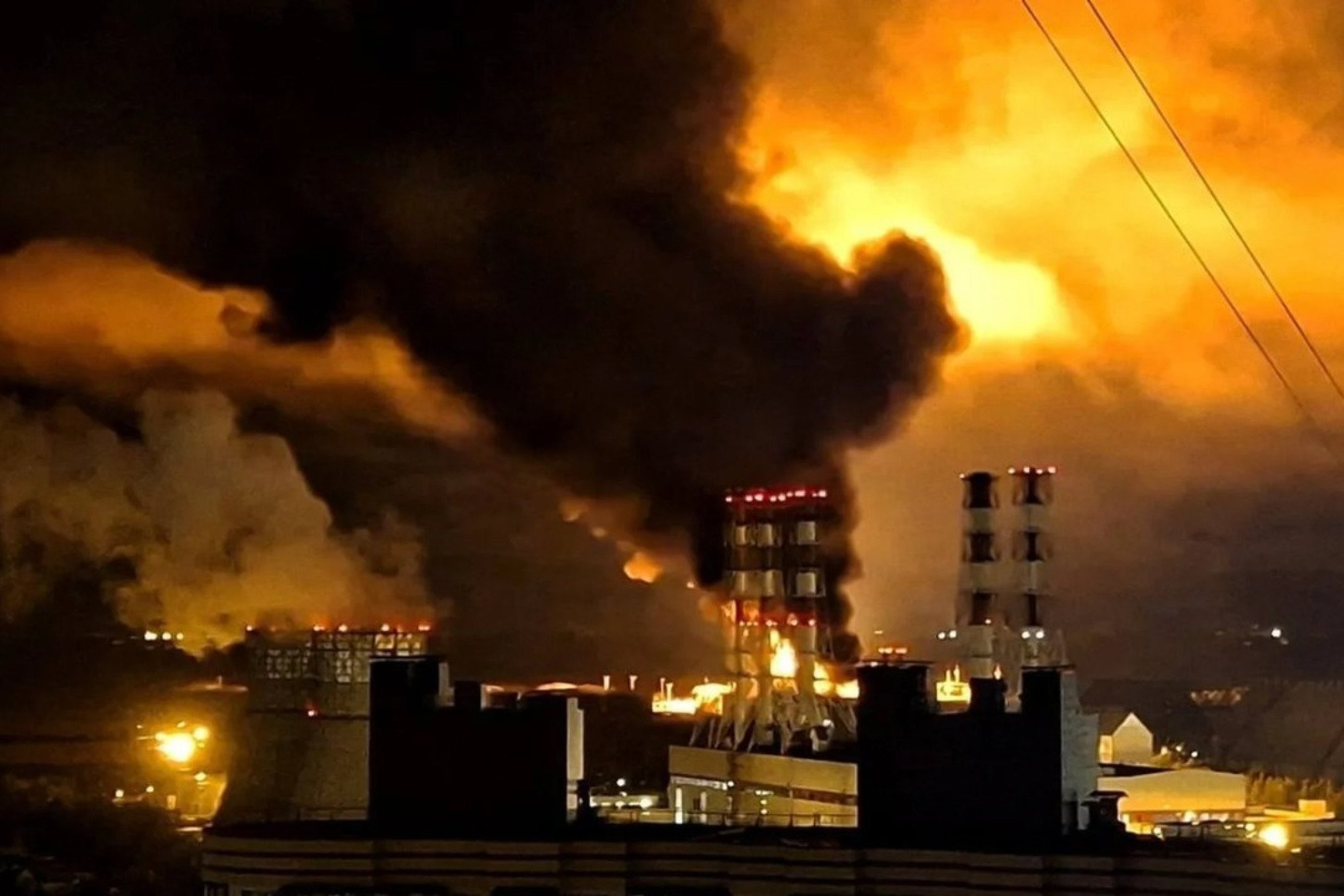
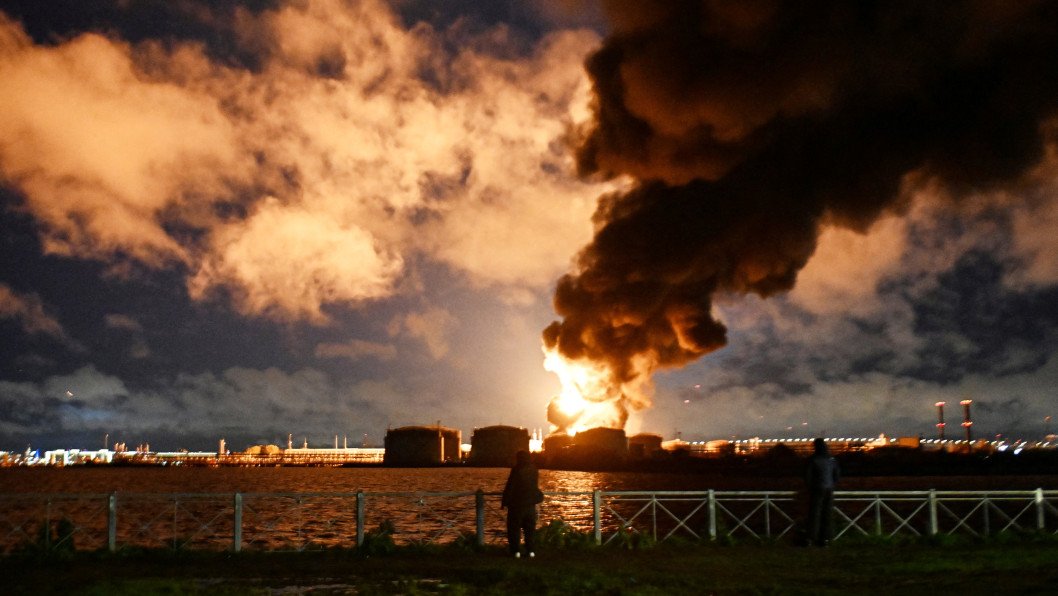
Ukrainian strikes have forced 15 of Russia’s 38 major oil refineries to suspend operations as of the end of September 2026, while another 12 facilities have reduced production, according to Ukraine’s Defense Intelligence Directorate (HUR) on November 5.
The agency reported that continued Ukrainian long-range strikes have significantly disrupted Russia’s oil refining industry, contributing to a sharp decline in production and mounting financial losses.
We bring you stories from the ground. Your support keeps our team in the field.
According to Ukrainian intelligence, the combined refining output of the affected facilities has fallen by 55.4% compared with the beginning of the year.
The most severe disruptions have been recorded in Russia’s Volga, Central, and Southern federal districts, where refinery shutdowns have affected several major oil processing facilities.
Among the enterprises identified by HUR are Slavneft-YANOS, Kirishinefteorgsintez, the Ryazan Oil Refining Company, Gazprom Neft’s Moscow refinery, and Lukoil-Permnefteorgsintez. Together, these facilities account for approximately 33% of Russia’s total oil refining capacity, highlighting the scale of the disruptions affecting the industry.
While production has declined at major refineries in these regions, facilities located in more remote parts of Russia have continued operating, allowing Moscow to partially compensate for the losses.
According to HUR, the refineries that remain operational include Gazprom Neft’s Omsk refinery, the Achinsk refinery, NefteKhimService, the Khabarovsk refinery, the Mari refinery, and the Vanino refinery.
In September, their combined refining output reached approximately 906,000 barrels per day, an increase of 147,000 barrels per day compared with the beginning of 2026. As a result, these facilities accounted for roughly 24% of Russia’s total oil refining output during the month.
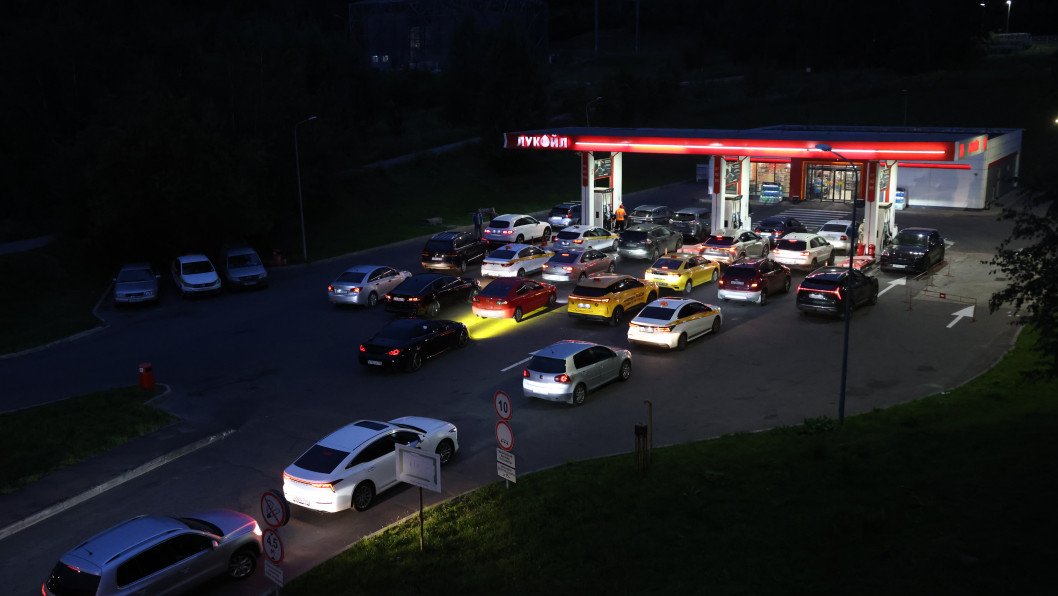
However, Ukrainian intelligence warned that relying on refineries in remote regions provides only a temporary solution to Russia’s growing fuel shortages.
Their geographical locations complicate the transportation of petroleum products to regions experiencing supply disruptions, while shortages of railway rolling stock and road tankers further limit distribution capacity.
HUR also noted that production at these facilities could decline in 2027 because maintenance work originally scheduled for 2026 has been postponed until next year.
Beyond the immediate production losses, Ukrainian intelligence pointed to Moscow’s efforts to restrict access to information about the state of its oil refining industry. According to HUR, a decree signed by Russian leader Vladimir Putin on September 28, numbered 686, introduced restrictions on the disclosure of oil refining data.
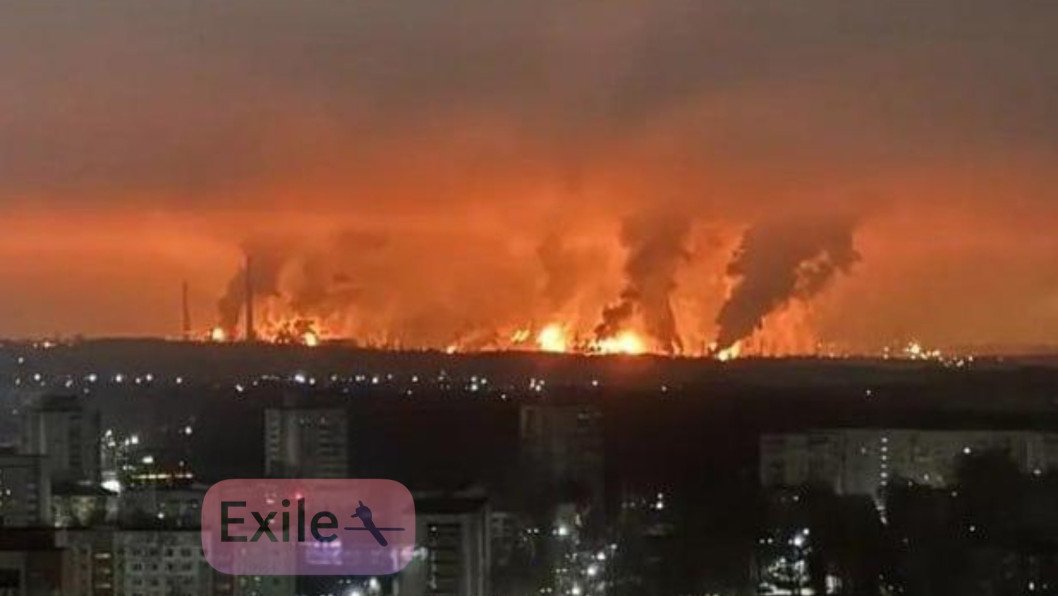
“The seriousness of the situation is also demonstrated by the Kremlin’s decision to restrict access to information on oil refining volumes. The relevant changes are provided for in Putin’s September 28 Decree No. 686. This makes independent monitoring of the industry impossible and creates conditions for the dissemination of unreliable data, particularly regarding diesel fuel production volumes, among countries interested in purchasing Russian oil,” HUR emphasized.
The intelligence agency also assessed that Ukrainian strikes against Russian oil industry facilities have caused more than $23.2 billion in economic damage. That figure is approaching the sector’s reported total revenue of $26.6 billion in 2025, according to HUR.
At the same time, Russia is reportedly facing increasing difficulties repairing and maintaining damaged refining infrastructure because of international sanctions and the high cost of specialized equipment.
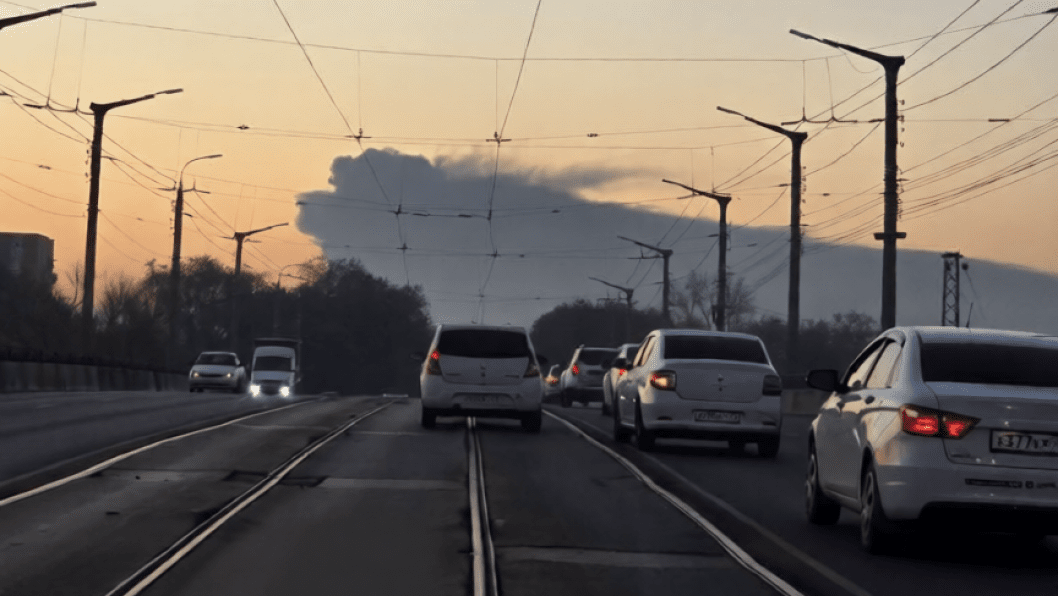
Ukrainian intelligence estimates that replacing damaged equipment alone could cost Russia more than $20 billion, adding further financial pressure to an industry already struggling with reduced production.
These challenges have also complicated Moscow’s efforts to maintain sufficient domestic fuel supplies while continuing to meet its international export commitments.
“Thus, despite attempts to redistribute the workload among surviving facilities, Russia is unable to fully meet its domestic demand for petroleum products while simultaneously fulfilling its export obligations. Moreover, Russians have begun importing fuel from other countries through ‘gray schemes’ to circumvent international sanctions,” HUR stated.
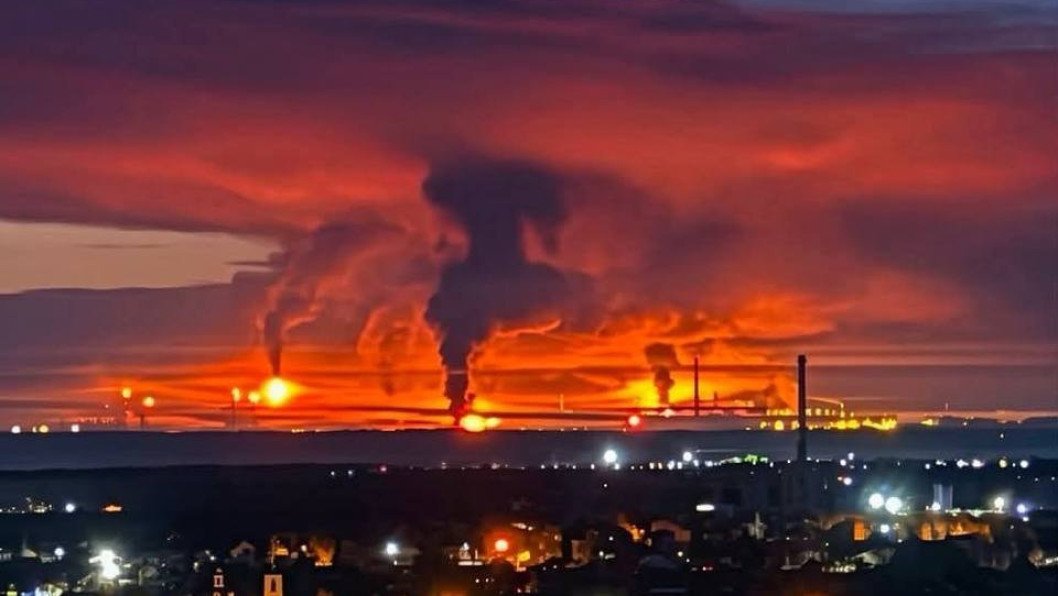
The intelligence assessment comes as Ukrainian forces continue targeting Russian oil refining infrastructure, including facilities already identified as suffering significant production disruptions.
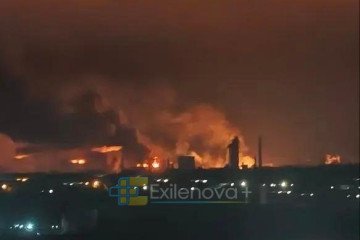
Overnight on November 5, Ukrainian attack drones struck the Rosneft-operated Ryazan oil refinery in Russia’s Ryazan region, one of the major facilities highlighted in HUR’s assessment.
The refinery has an annual processing capacity of approximately 17–18 million metric tons of crude oil and produces a range of petroleum products, including gasoline, diesel fuel, and aviation kerosene, particularly TS-1 jet fuel.
Discuss this article: