- Category
- War in Ukraine
Ukrainians Fled Mariupol to Escape Russia’s War—Now Moscow Plans to Give Their Homes to Its Soldiers
 Prefer U24 Media on Google
- Authors


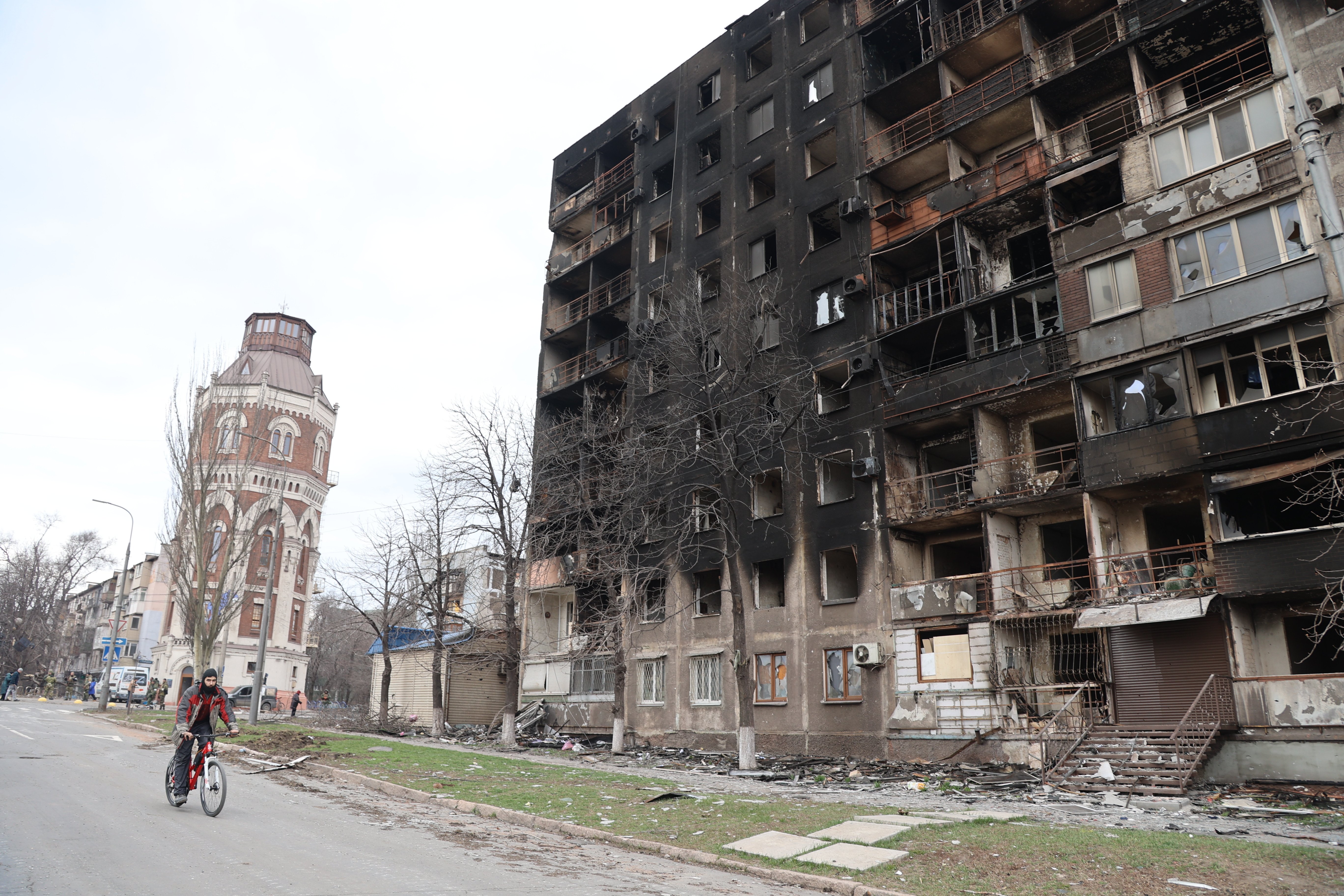
Russian occupation authorities in Mariupol are planning to redistribute apartments belonging to Ukrainian residents who fled the city because of the war, with Russian military personnel involved in the invasion of Ukraine among the potential recipients, the Mariupol City Council on November 18 reported.
According to Denis Pushilin, the Russian-installed head of the so-called “Donetsk People’s Republic” (DPR), apartments designated as “ownerless” by occupation authorities are being transferred to municipal temporary housing funds.
We bring you stories from the ground. Your support keeps our team in the field.
Once incorporated into these funds, the properties can be allocated to different categories of residents, including participants in Russia’s so-called “special military operation,” the term Moscow uses to describe its war against Ukraine.
Mariupol City Council condemned the practice, describing it as the unlawful seizure of property belonging to Ukrainians who were forced to abandon their homes because of Russia’s military aggression.
Vadym Boichenko, head of the Mariupol City Military Administration, said the occupation authorities were using illegal court rulings to take control of privately owned apartments before transferring them for redistribution.
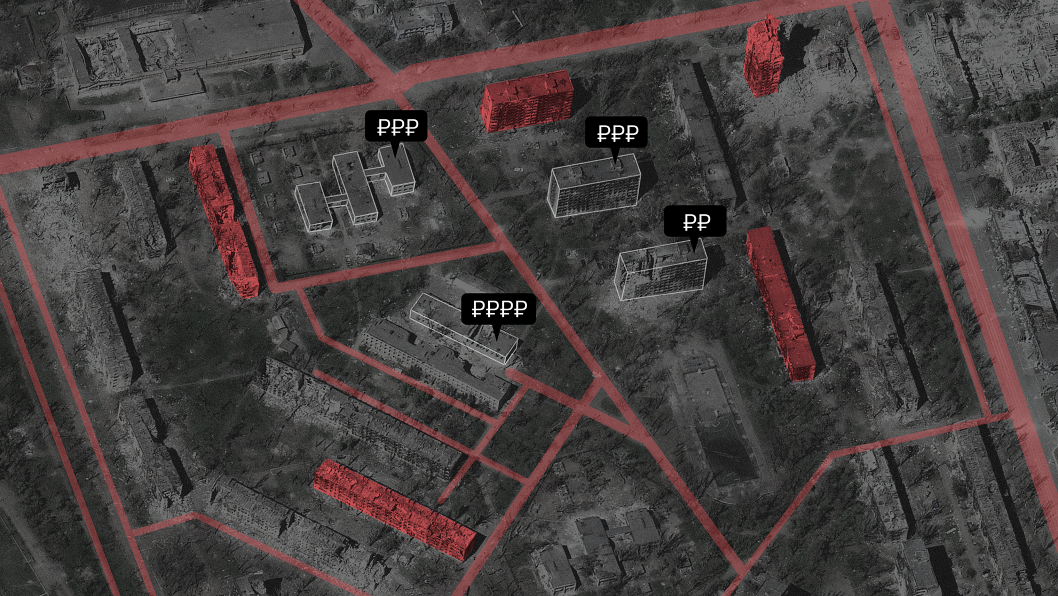
“First, the occupation authorities use illegal court rulings to declare apartments ‘ownerless,’ and then transfer them to the municipal housing fund for subsequent distribution among the occupiers,” Boichenko said.
Similar practices have also been reported in other Russian-occupied Ukrainian territories, where occupation authorities are allegedly using properties left behind by displaced residents to accommodate foreign migrants.
On January 27, the Ukrainian partisan movement ATESH reported that significant numbers of foreign nationals, primarily from Cuba and India, had arrived in several temporarily occupied cities, including Melitopol and Yevpatoria.
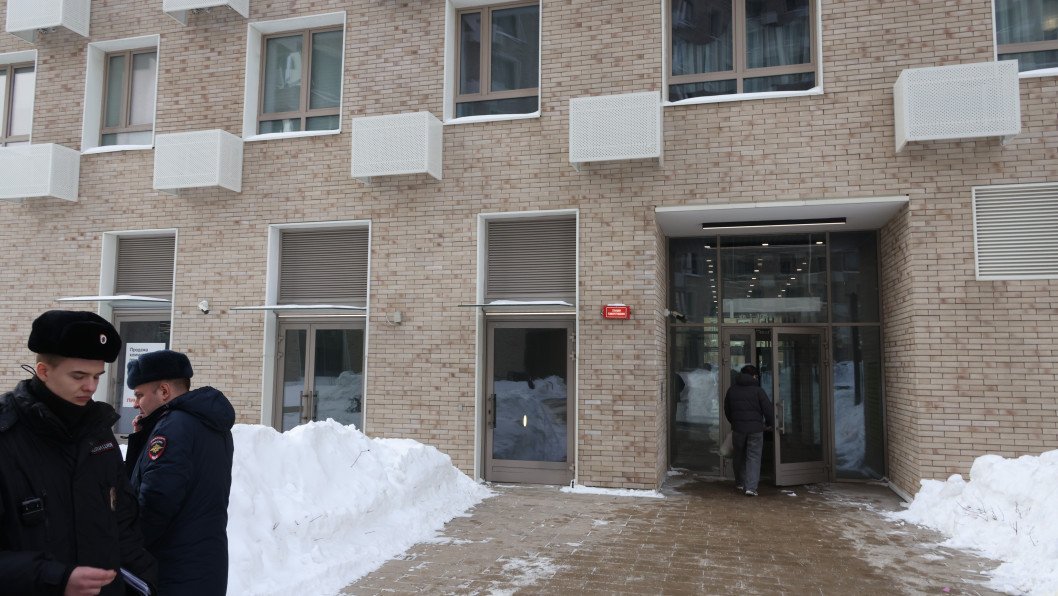
According to the movement, the newcomers were being recruited for low-paid jobs in municipal services and housing maintenance, with Russian citizenship offered as an incentive.
They were being housed in properties designated as “ownerless” by occupation authorities after their Ukrainian residents fled the occupation.
Meanwhile, Russian authorities have also accelerated the sale of confiscated assets within Russia as Moscow seeks additional revenue to cover its growing wartime budget deficit, projected to reach approximately $89 billion this year.
Russia raised approximately $4.66 billion through the sale of property seized from individuals and businesses between January and November, more than four times the roughly $1.08 billion generated throughout 2025.
Discuss this article: