- Category
- Latest news
Russia Seizes Its Own Citizens’ Homes to Finance War Against Ukraine
 Prefer U24 Media on Google
- Authors


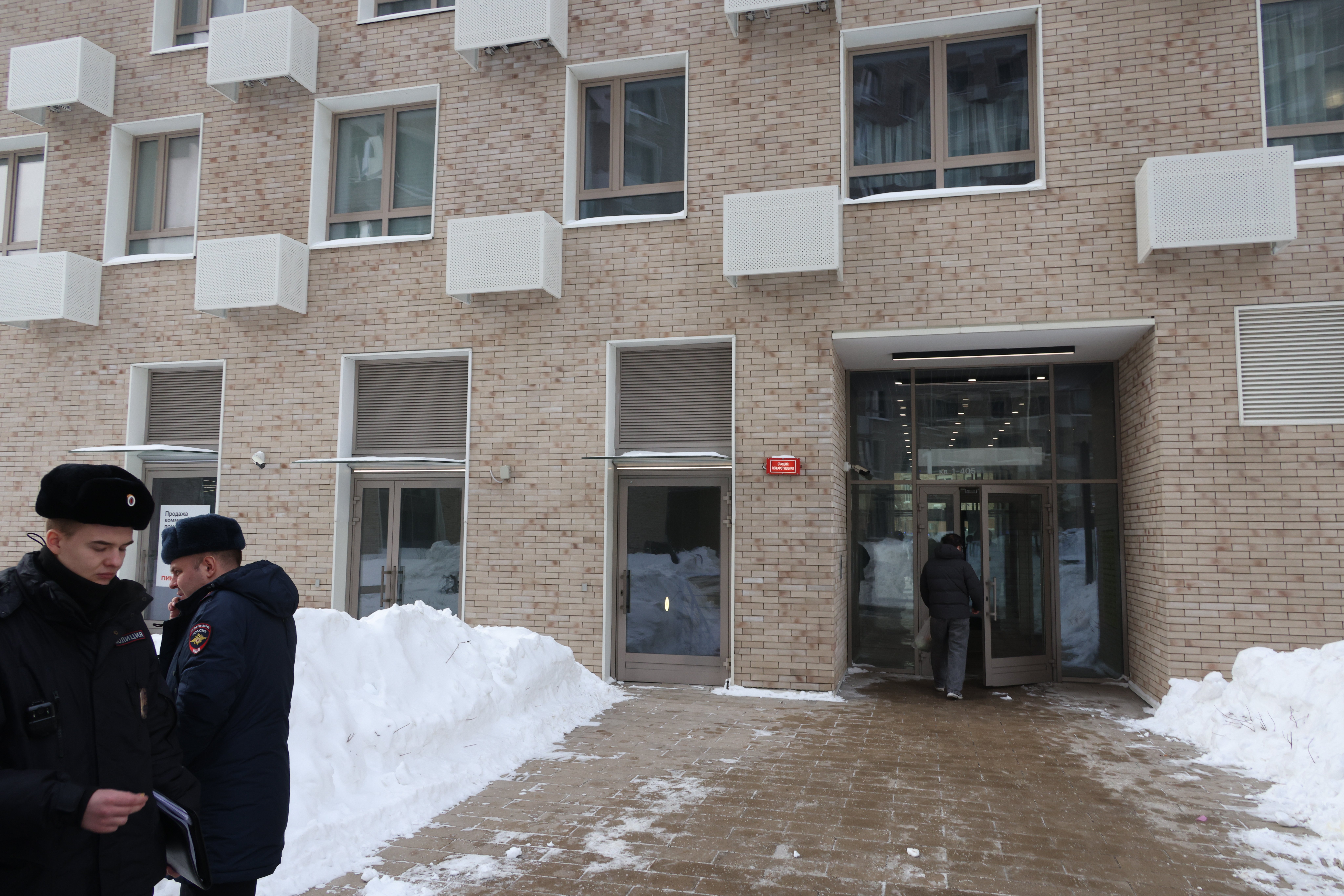
Russian authorities have significantly expanded the use of property confiscation in criminal cases, with court rulings involving asset seizures nearly tripling between 2023 and 2025.
Ukrainian intelligence links the trend to mounting fiscal pressure associated with Russia’s war against Ukraine.
We bring you stories from the ground. Your support keeps our team in the field.
According to Ukraine’s Foreign Intelligence Service on February 15, the number of court acts in criminal cases involving confiscation increased from 11,000 to 31,000 over the 2023–2025 period. The agency reported that Russian courts have sharply broadened the application of confiscation measures in recent years.
The service stated: “Such determination and persistence of the Russian repressive apparatus in increasing the use of punishment through property confiscation tied to certain events is explained solely by attempts by the Kremlin to plug holes in the state budget suffering from the war against Ukraine.”
According to data from Russia’s Supreme Court, confiscation sentences were issued against 4,195 individuals in 2022. By 2024, that number had risen to 24,078. Compared with 2020, the figure has increased 9.3 times.
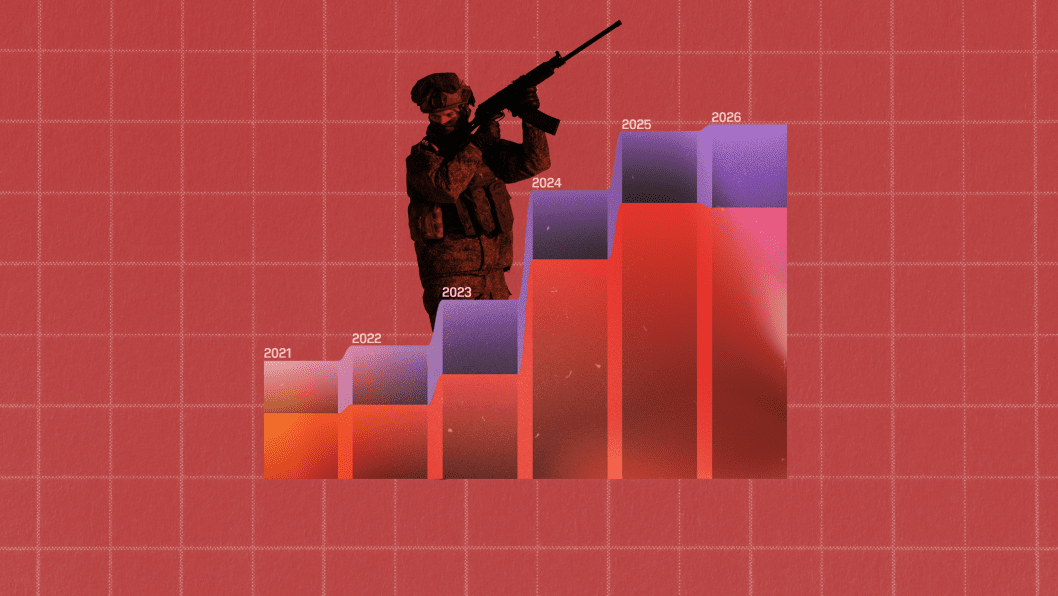
Sergey Bazhutov, head of the Main Criminal Judicial Directorate of Russia’s Prosecutor General’s Office, confirmed that rulings involving confiscation rose from 11,000 to 31,000 between 2023 and 2025.
Earlier this year, the head of Russia’s Investigative Committee, Alexander Bastrykin, called for further expansion of confiscation cases. According to his statement, investigators froze assets worth approximately 24.5 billion rubles over the past year—25% more than the previous year.
Individuals under criminal investigation also “voluntarily” transferred property, funds, and valuables totaling 4.7 billion rubles after proceedings were initiated.
Confiscation as a special legal measure was reintroduced into Russia’s Criminal Code in 2006. At that time, it was primarily applied in corruption and economic crime cases as a mechanism for compensating damages.
Following the start of Russia’s full-scale invasion of Ukraine, the legal grounds for confiscation were expanded to include cooperation with foreign organizations, sabotage, spreading what Russian authorities classify as “fake” information about the army, and crimes against “state security.”
At the end of last year, Russia’s Constitutional Court authorized the confiscation of even a person’s sole residence, including property legally acquired, from relatives or third parties connected to a criminal case.
Earlier, Ukraine’s Foreign Intelligence Service said Russia’s economy is entering its deepest crisis in two decades, citing industrial growth slowing to 0.8% in 2025, a $63 billion federal budget deficit, and weakening freight volumes. Separate data from Russia’s Finance Ministry show a $22.3 billion budget shortfall in January alone, driven largely by a 50% drop in oil and gas revenues.
Discuss this article:
-4a56a6b482ec132402c16ef6fcabf9a2.png)

-c439b7bd9030ecf9d5a4287dc361ba31.jpg "Photo of Katherina Popilnichenko")