- Category
- War in Ukraine
US Moves to Develop First New Nuclear Gravity Bomb in 35 Years
 Prefer U24 Media on Google
- Authors


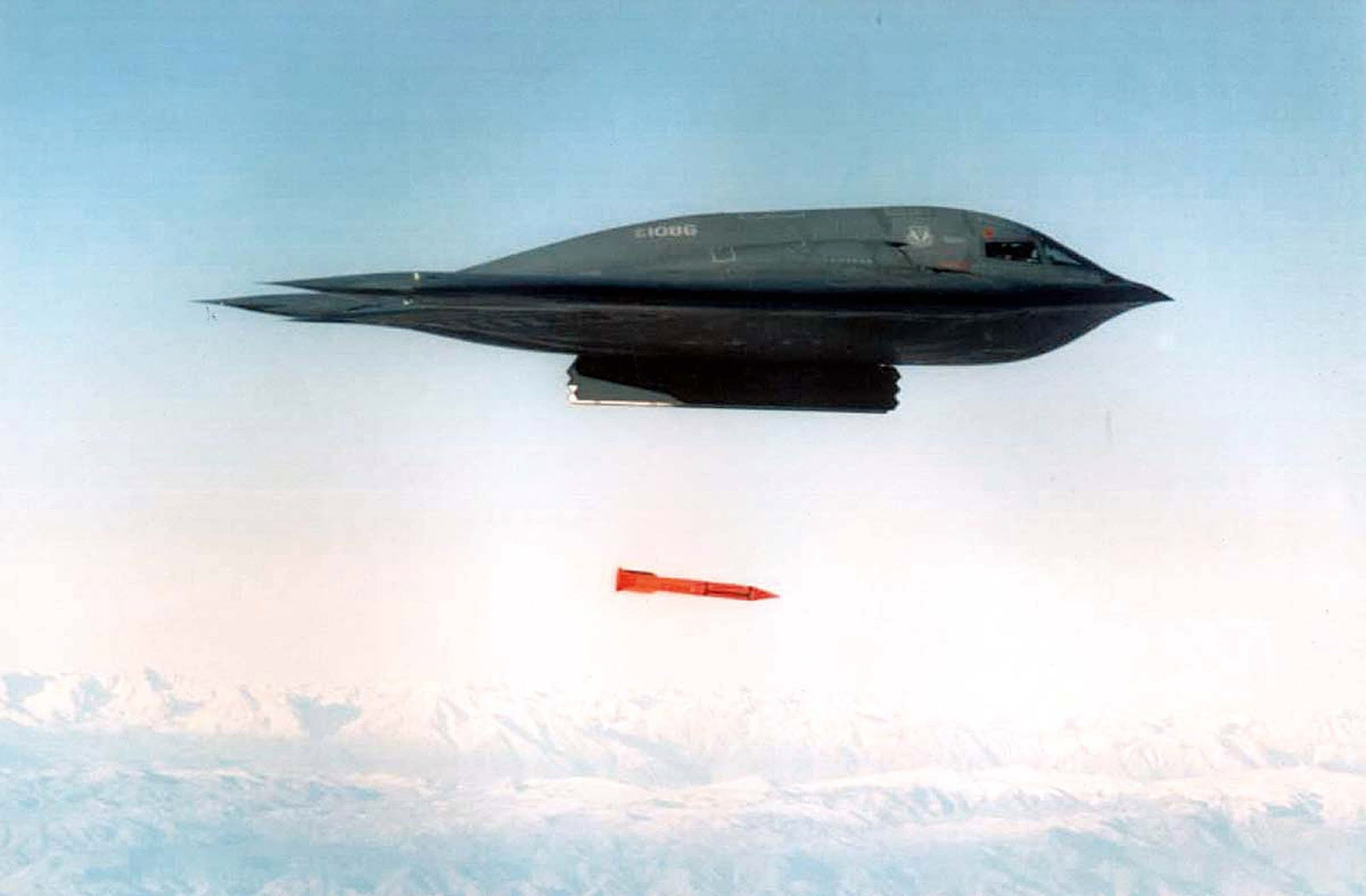
The United States has revealed plans for a new nuclear gravity bomb designated B94, marking the first newly designated American nuclear bomb since the end of the Cold War.
We bring you stories from the ground. Your support keeps our team in the field.
According to The War Zone (TWZ) on November 16, the designation appeared in a Senate Appropriations Committee document accompanying proposed funding for the Department of Energy for fiscal year 2027.
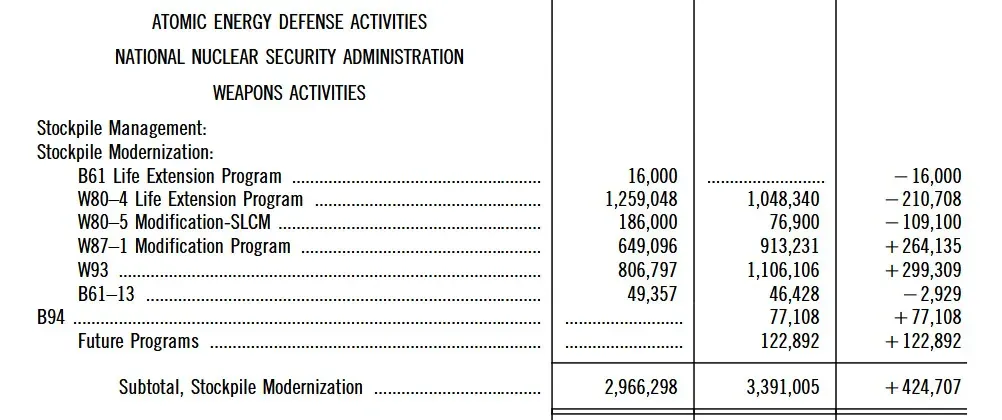
The document allocates $77.1 million to the B94 program, although it provides no information about the weapon’s design, capabilities, or intended deployment.
The designation is significant because the last newly designated US nuclear gravity bomb, the B90, was developed during the Cold War before its cancellation in September 1991. Since then, American nuclear bomb programs have primarily focused on upgrading existing weapons.
TWZ reported that the B94 could be associated with the Nuclear Deterrent System-Air-delivered (NDS-A), a nuclear weapon currently under development to strike heavily fortified underground facilities.
Earlier this year, a spokesperson for the National Nuclear Security Administration (NNSA) told TWZ that the NDS-A program was intended to provide additional capabilities against deeply buried targets that conventional weapons may be unable to destroy.
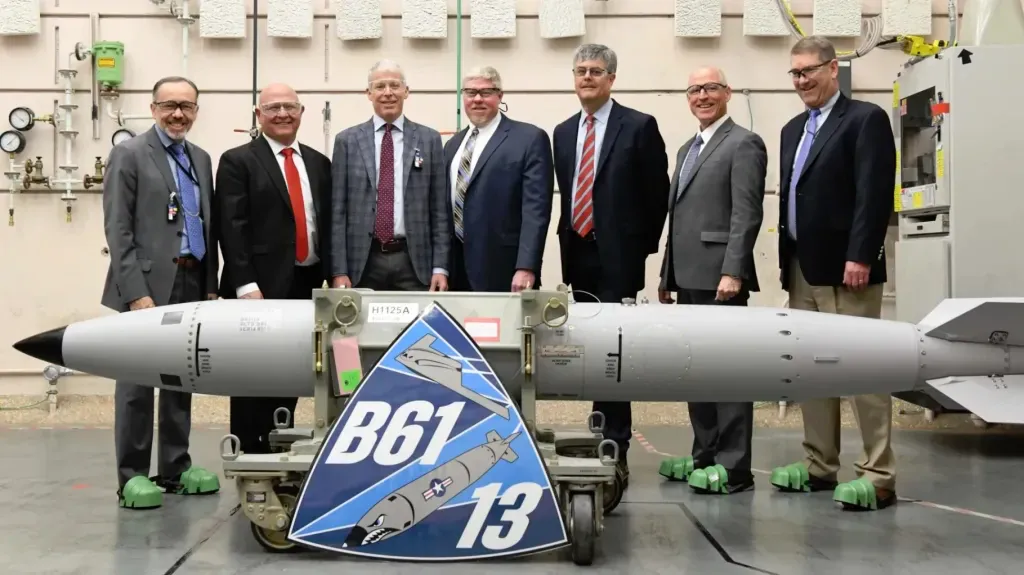
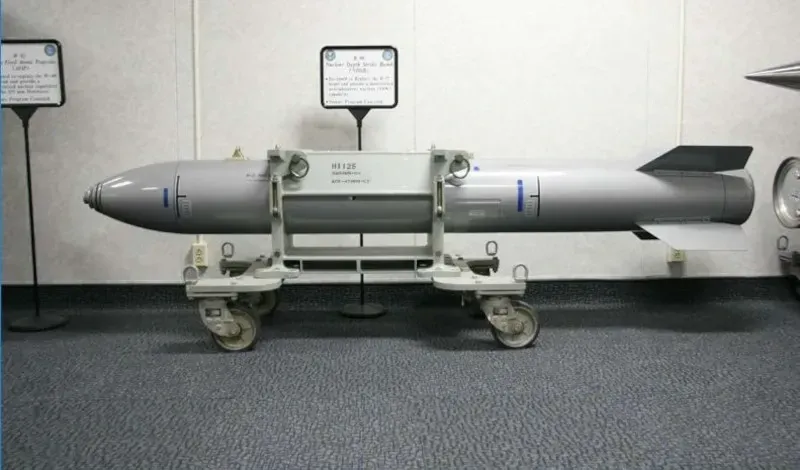
The new weapon could eventually replace the B61-11 nuclear bunker-buster bomb, the high-yield B83-1, or both, although no official decision has been confirmed.
As TWZ noted, potential targets for such weapons include hardened underground military installations in Russia and China, both of which have expanded their subterranean infrastructure.
The development comes as Washington continues modernizing its nuclear arsenal, including the B-21 Raider stealth bomber, the Sentinel intercontinental ballistic missile, and Columbia-class ballistic missile submarines.
However, the B94 program remains at an early stage, and its technical specifications, development timeline, and relationship to the NDS-A have not been publicly confirmed. The proposed funding must also receive congressional approval.
Earlier, on May 20, the US test-launched an unarmed Minuteman III intercontinental ballistic missile from California, one day after Russia began large-scale nuclear drills. The test was part of Washington’s ongoing efforts to maintain and modernize its nuclear deterrent.
Discuss this article: