- Category
- War in Ukraine
With the Bridge Cut, Russia’s Military Faces Ukraine's Drone Gauntlet on the R-280 to Crimea
Russia’s supply routes to occupied Crimea are narrowing. With the Crimean Bridge’s road link severed, the R-280 highway through occupied southern Ukraine has become even more critical—and Ukrainian drones are striking the trucks and bridges that keep supplies moving.
 Prefer U24 Media on Google
- Authors


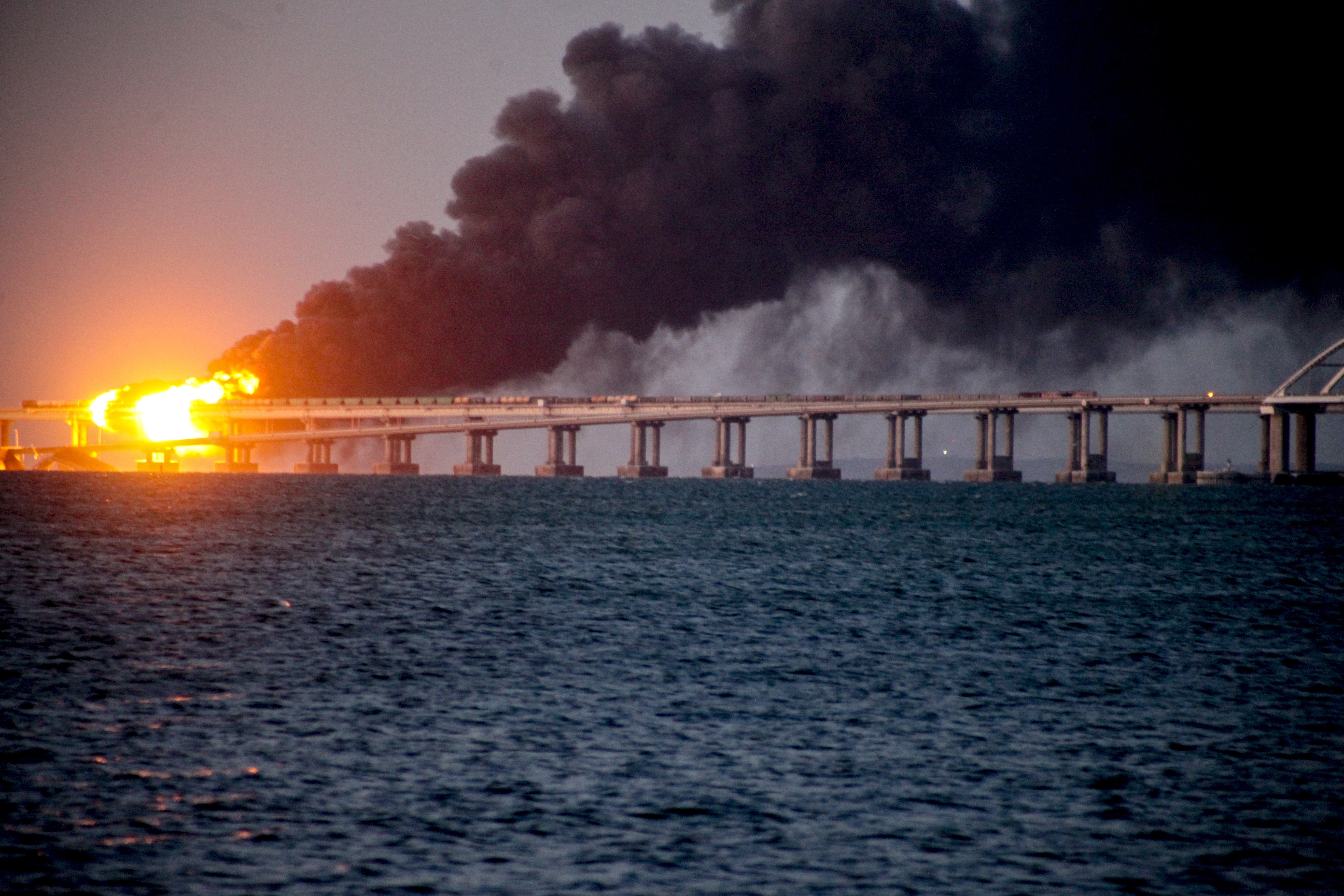
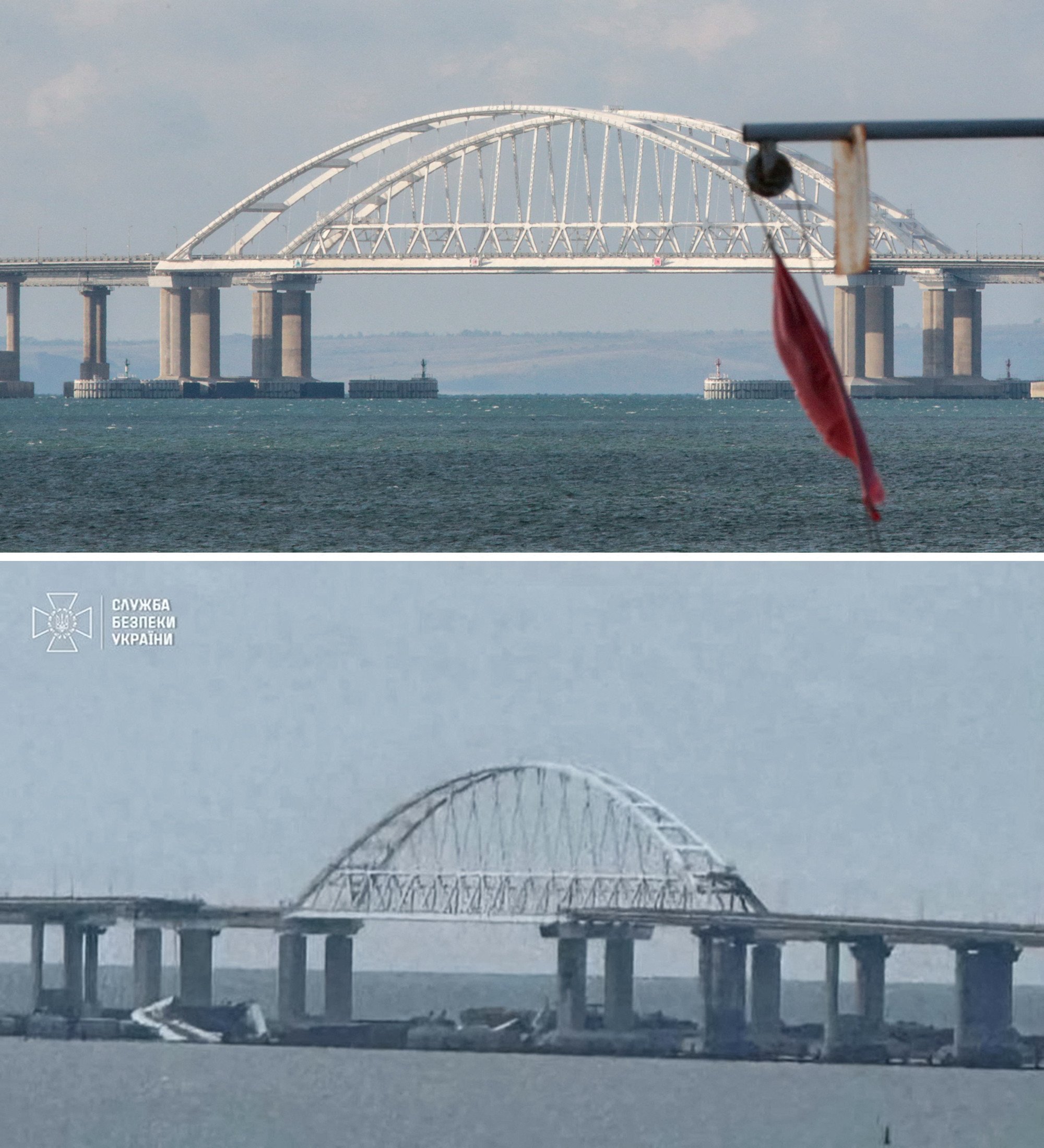
By the morning of November 17, it had become clear that Ukraine had brought down the main span of the Crimean Bridge’s road section: a stretch more than 270 meters long collapsed, also blocking shipping in the area. The operation lasted about a month and involved gradually dismantling the bridge’s defenses before crippling one of Russia’s most heavily protected sites. It was an example of an asymmetric response to Russia’s round-the-clock bombardment of critical and civilian infrastructure in Ukraine.
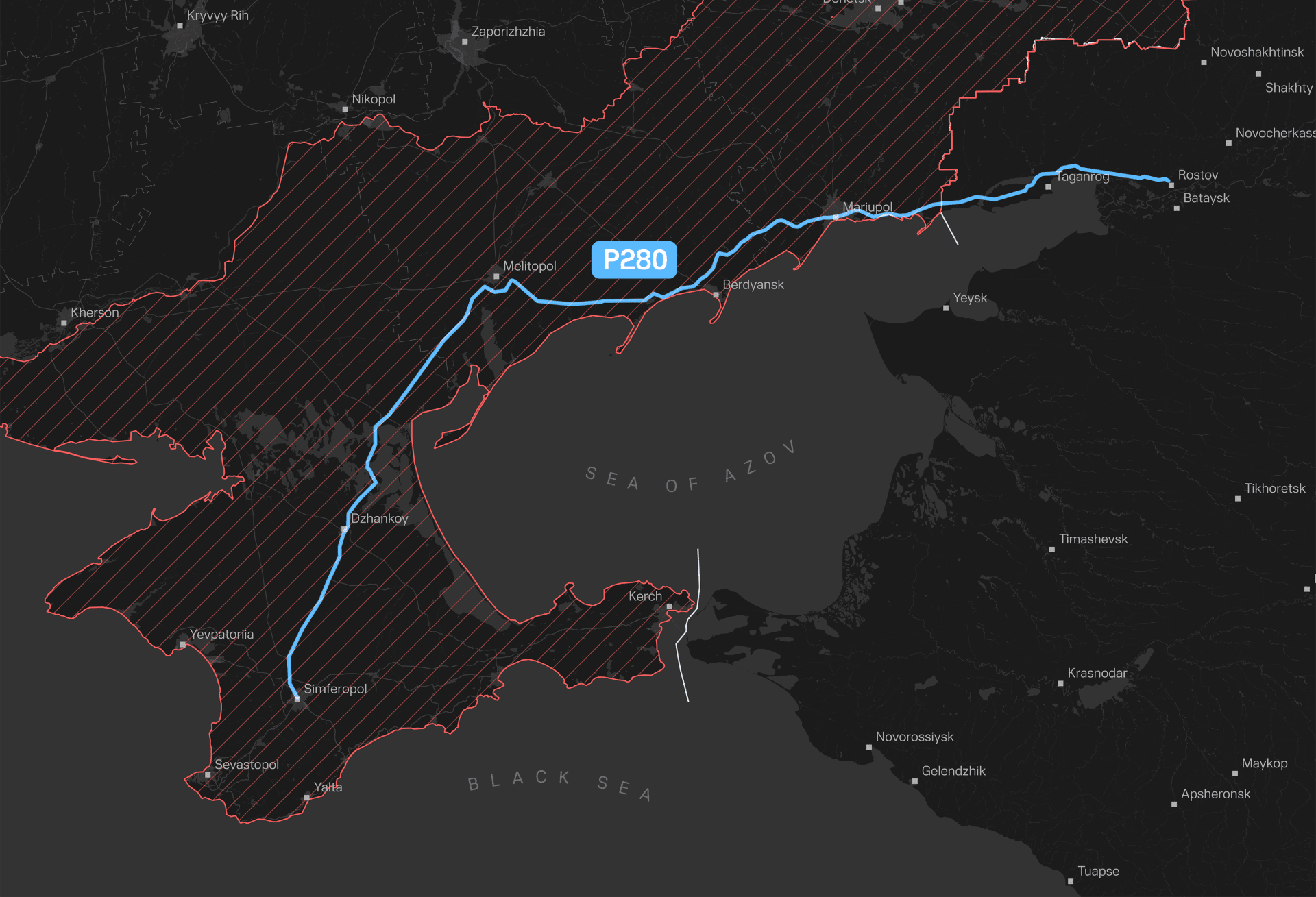
Russia is now effectively left with a single overland supply route to the peninsula: the R-280 federal highway, also known as “Novorossiya,” which stretches more than 630 kilometers through the temporarily occupied cities of Mariupol and Melitopol.
But this road is neither straightforward nor safe: Ukrainian drones frequently locate military trucks traveling along it, and few people are willing to drive vehicles carrying weapons there. The highway itself is also under constant attack, with Ukrainian drones and missiles repeatedly striking bridges and other logistics hubs along the route.

Why the R-280 matters to the Kremlin
The R-280 is an almost entirely new highway that Russia built in occupied territories of Ukraine after its full-scale invasion, committing substantial resources to its construction. Its purpose is to provide an overland link between Russia, the occupied regions, and occupied Crimea.
It was also intended to serve as an alternative to the Crimean Bridge: in October 2022, Ukraine demonstrated it could reach the bridge, showing the Kremlin just how vulnerable the peninsula's only bridge crossing was.
The route runs from Rostov-on-Don through occupied Novoazovsk, Mariupol, Melitopol, and Chonhar to Simferopol—more than 630 kilometers around the entire northern coast of the Sea of Azov. The road has significant federal importance for Russia and remains unfinished: some sections are being expanded from two lanes to four, with completion promised around 2027.
According to its specifications, the Crimean Bridge can accommodate up to 40,000 vehicles a day. But after the events of 2022, freight traffic was restricted, leaving it open only to passenger cars and rail transport.
In practice, trucks could not use the bridge because of the threat of further attacks, making the R-280 even more important. This meant that the majority of supplies of fuel, food, and military cargo to the peninsula had already been traveling along the highway, rather than across the bridge, for a year.
Now that the bridge’s road link has been severed, Russia has virtually no alternatives left. Ferries, which previously carried mainly essential cargo, cannot handle a massive influx of traffic—especially as Ukraine systematically attacks and destroys them. The bridge’s rail section is also under threat: recent photographs show signs of strikes on its arch as well.
Bringing the route under fire control
Until the spring of 2026, the R-280 was considered a relatively safe route. It runs more than 100 kilometers from the front line, beyond the reach of Ukrainian artillery, and drones rarely reached it. Ukrainian forces could not systematically strike this logistics route. That was why the road was considered safe for transporting troops and weapons and delivering fuel and other supplies needed by Russian forces to the front.
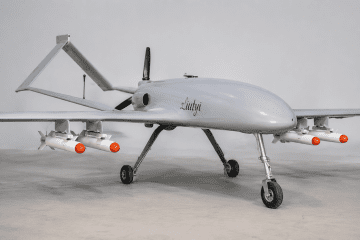
Everything changed with the arrival of Middle Strike drones on the battlefield. These drones could effectively attack targets at operational depths of 50–200 kilometers, later extending that range to 300 kilometers.
Drones struck about 200 vehicles in just one month, including at least 120 trucks since May 20 alone, according to French open-source intelligence researcher Clément Molin. President Volodymyr Zelenskyy said the number of medium-range strikes had doubled compared with March and quadrupled compared with February.
Ukraine launched a “logistics lockdown” operation, allocating more funding to purchase Middle Strike drones with the aim of cutting off access to Crimea. The Unmanned Systems Forces, in turn, announced Operation MoLoChKa—an acronym for “Moscow Will Fall Through Crimea”—with the same objective.
The number of destroyed Russian vehicles subsequently rose into the hundreds, and the highway became dangerous. Some sections came under the fire control of Ukrainian drones, forcing Russia to redeploy some troops from the front to protect the road itself.
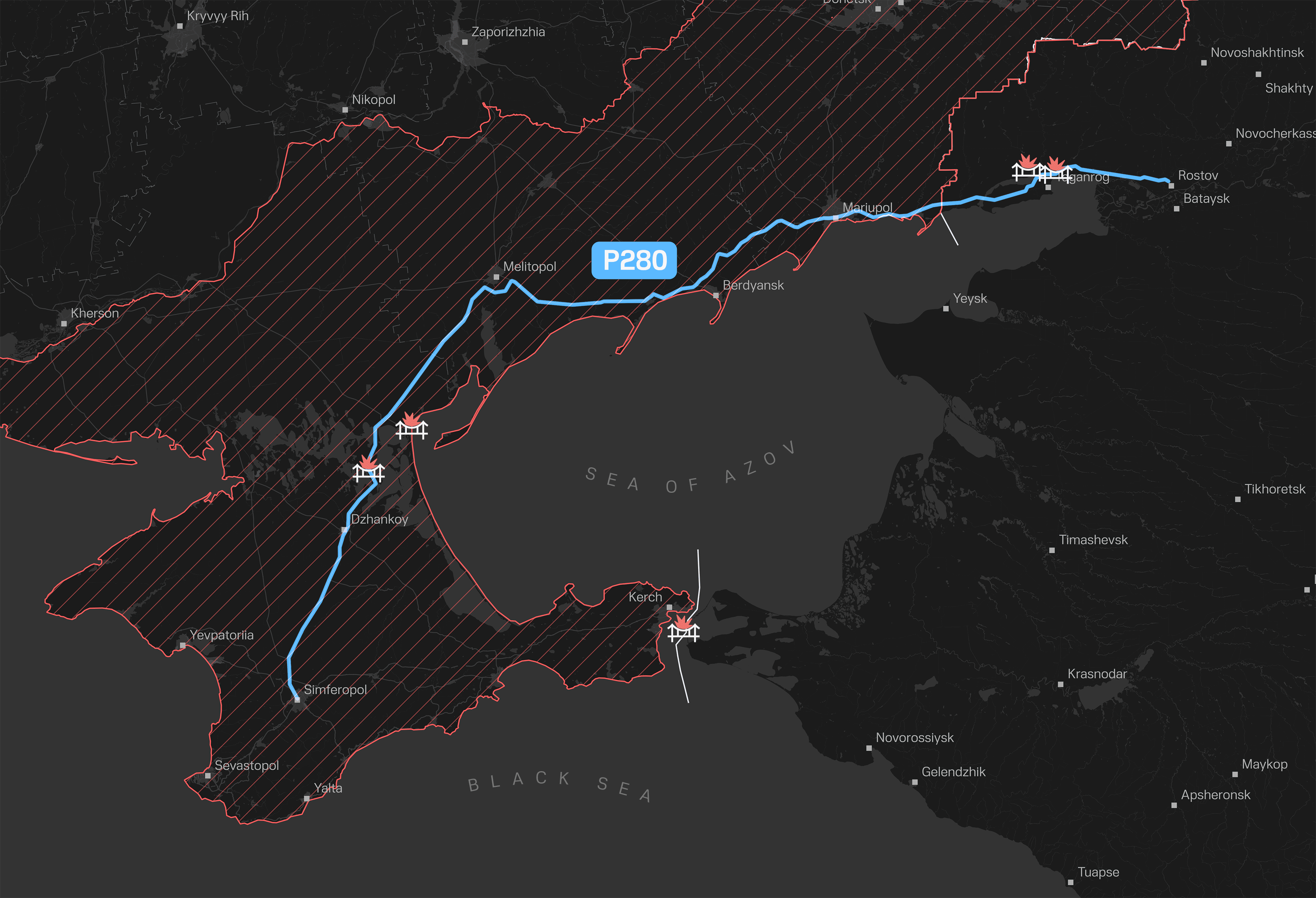
Ukrainian drones and missiles are also attacking the road’s most important logistics hubs: bridges, both inside Russia, such as those near Rostov, and in occupied Ukrainian territory, around Chonhar. These attacks force Russian forces to build pontoon crossings over rivers, slowing traffic and complicating logistics along the highway. This, in turn, delays deliveries: traveling the same route takes longer, meaning less cargo can be delivered.
For Ukraine, destroying this logistics route is a critical part of containing the enemy in southern Ukraine—specifically, cutting off supplies to Russian force groupings on the Kherson and Zaporizhzhia fronts. The effectiveness of such efforts has been demonstrated on another front: during Operation Vivaldi, troops from the Third Army Corps used Middle Strike attacks to disrupt Russian logistics at depths of up to 200 kilometers, preventing the rapid deployment of reserves and the resupply of troops in areas where offensives were underway.
For Russia, meanwhile, Crimea is turning from a staging ground for offensives into a major social problem that demands immediate attention, spreading its forces and focus thin.
Discuss this article: