- Category
- War in Ukraine
Why Ukraine’s Kharkiv Counteroffensive Ranks Among the Most Effective in Modern Warfare
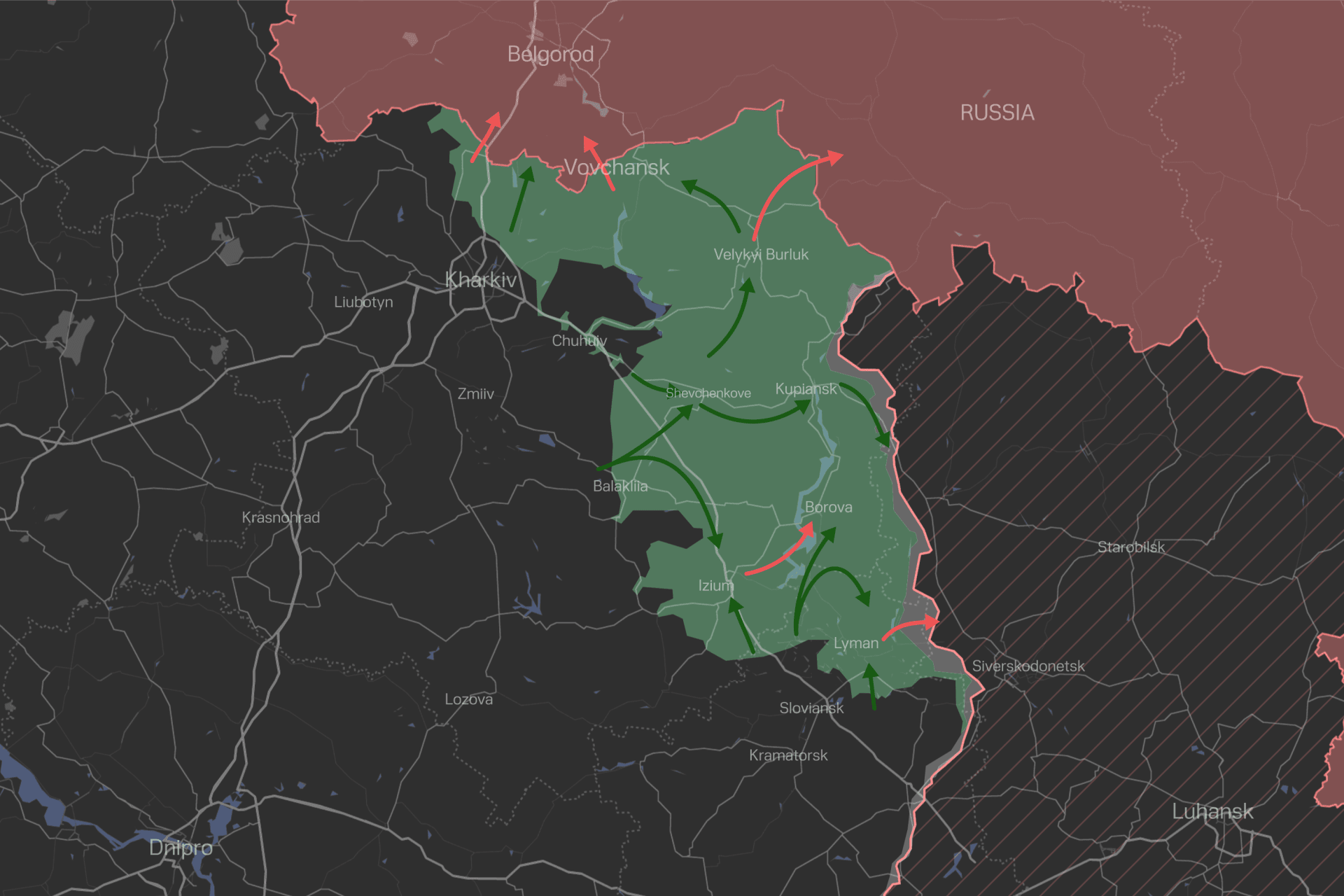
Everyone was looking at the Russian-occupied Kherson. Ukraine struck near Kharkiv and pulled off what experts now regard as one of the most well-executed military operations since World War II.
 Prefer U24 Media on Google
- Authors

-29a1a43aba23f9bb779a1ac8b98d2121.jpeg "Photo of Illia Kabachynskyi")
Ukrainian troops launched a sudden and rapid advance through the Kharkiv region in early September 2022. The offensive stunned everyone—Ukrainian civilians, international partners, and most critically, Russian forces.
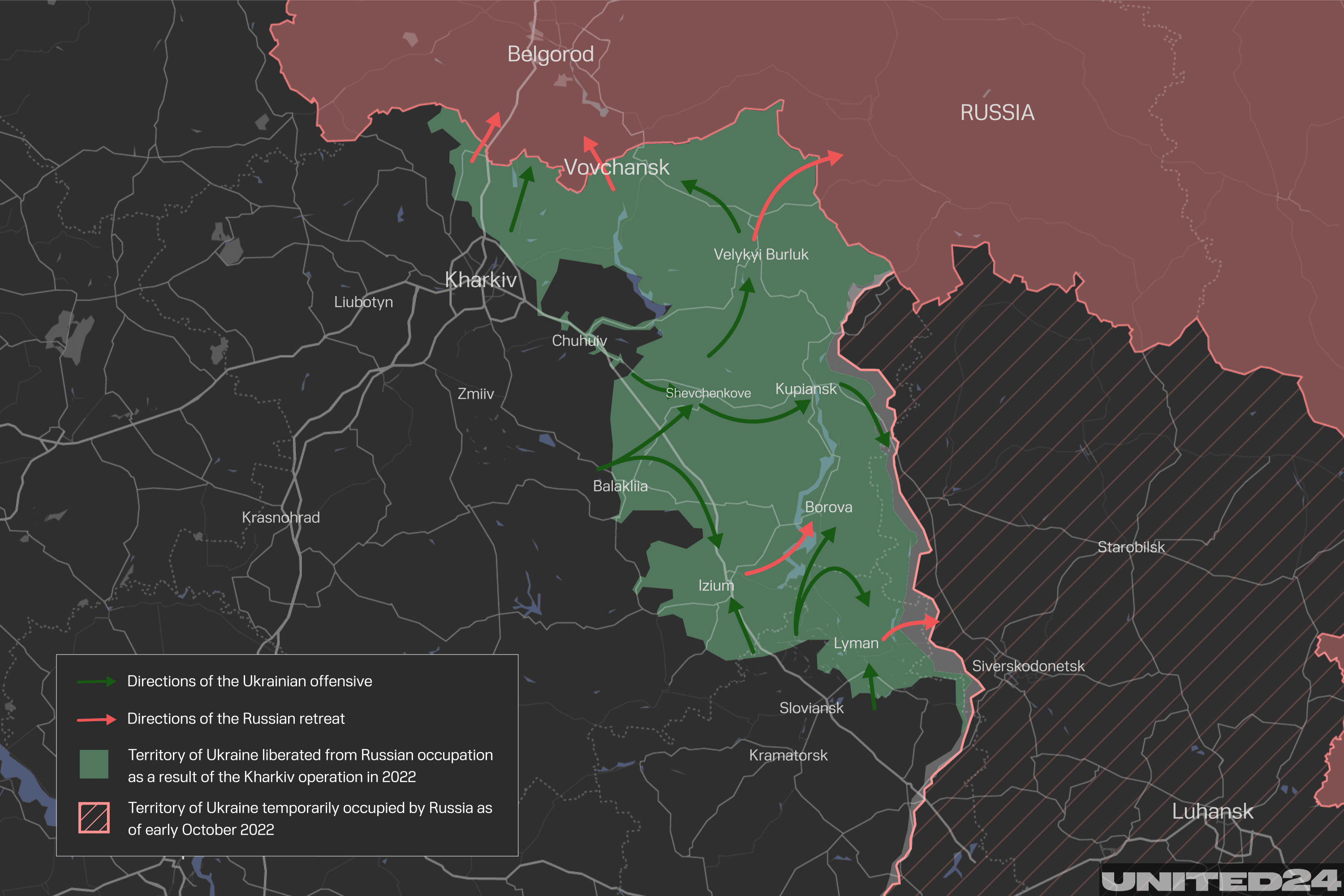
For months prior, Ukrainian officials had publicly spoken of a coming offensive in the Kherson region. That deception worked. Within just two weeks, nearly the entire Kharkiv region—thousands of square kilometers—was liberated. Moreover, Ukrainian forces managed to push into parts of Donetsk and even Luhansk regions.
Kharkiv operation tops the ranking
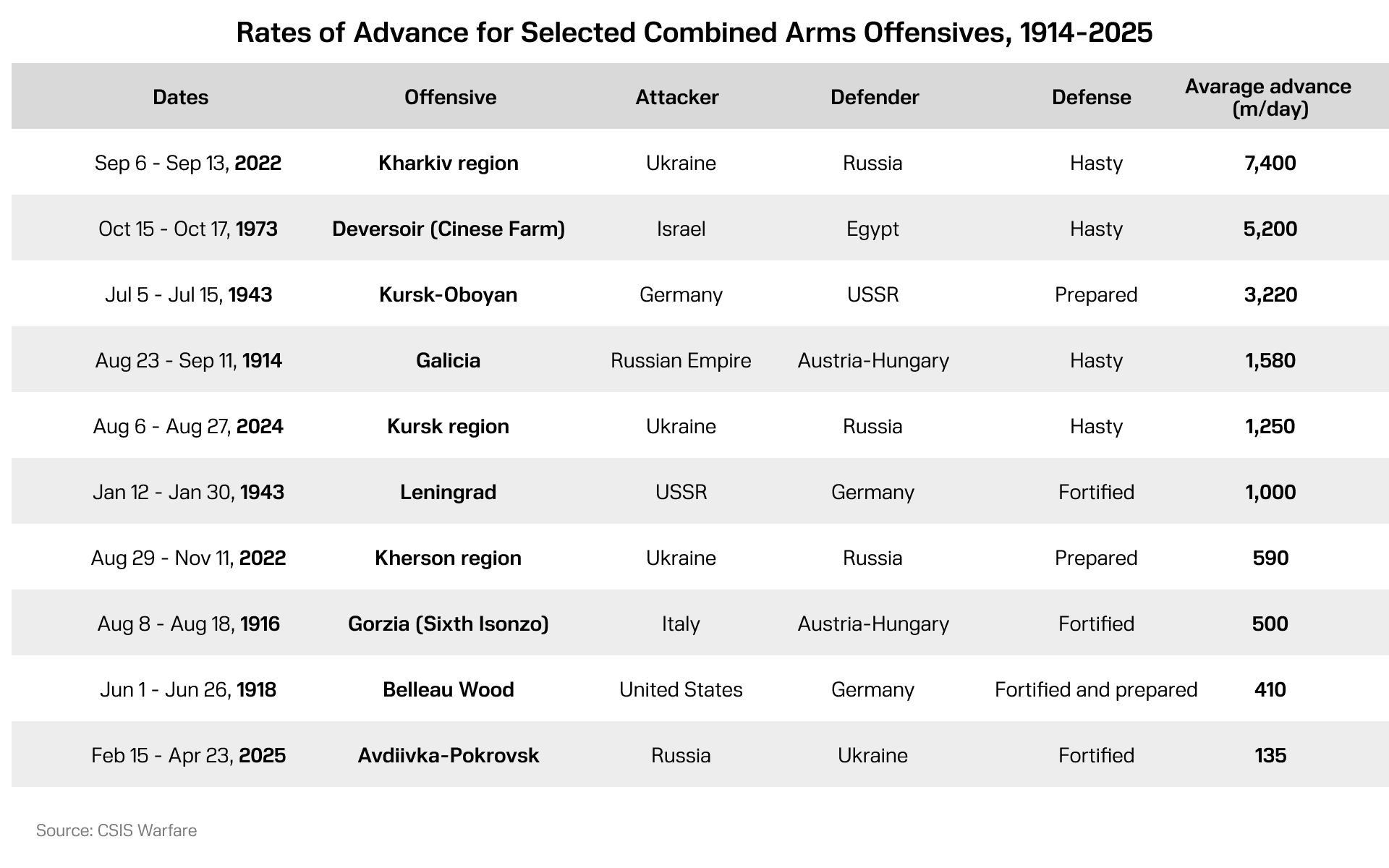
The Center for Strategic and International Studies (CSIS) published a ranking of the most impressive and swift military offensives in July 2025. The Kharkiv counteroffensive topped the list: Ukrainian troops advanced an average of 7,400 meters (4.6 miles) per day. These were remarkable gains, especially considering Russia’s numerical superiority in the region, which had been occupied just six months prior.
The Ukrainian blitzkrieg reclaimed several key cities: Izium, Kupiansk, Kupiansk-Vuzlovyi, and Lyman. Ukrainian fighters also crossed the Oskil River, driving Russian troops back further inland. Ukrainian soldiers recall how Russian forces fled so hastily that they abandoned not only vast amounts of ammunition but also newly deployed military equipment. Many of these became Ukrainian trophies—tanks and artillery now in Ukrainian service. The Kharkiv counteroffensive marked Russia’s second major defeat following its retreat from Kyiv in March 2022.
CSIS’s study also highlighted three historical operations from the past century:
The 1973 Yom Kippur War, Israel/Egypt—daily advance of 5,000 meters
German offensive at Kursk, 1943—3,220 meters per day
Russian Empire offensive against Austria-Hungary, 1914—1,580 meters per day
Ukraine’s rapid gains in Russia’s Kursk region
Rounding out the top five was yet another Ukrainian campaign—this time, in Kursk. In August 2024, Ukrainian forces once again launched a surprise offensive, catching everyone off guard. The meticulously planned operation paid off: in just two weeks, over 1,300 square kilometers of territory came under Ukrainian control, with daily advances exceeding 1,250 meters (nearly one mile).
This bold push into Russian territory helped shift the war’s front lines and protect Ukraine’s Sumy region, which had been suffering from Russia’s relentless artillery strikes. Ukrainian forces were able to hold the newly secured areas for half a year.
Also included in CSIS’s top ten was the Ukrainian offensive in the Kherson region in southern Ukraine. During that campaign, Ukrainian forces advanced an average of 600 meters per day along the right bank of the Dnipro River.
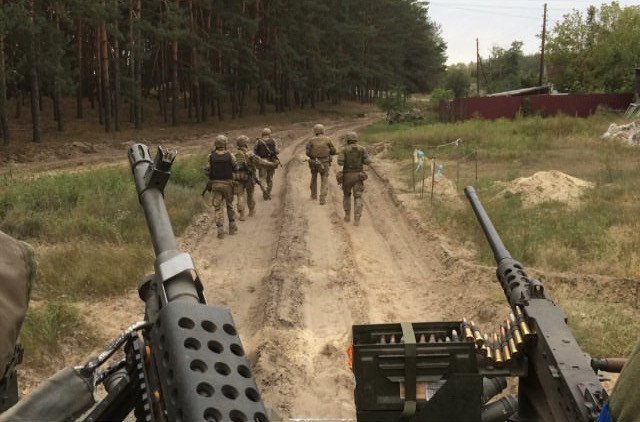
Up to 30,000 Russian soldiers could have been encircled during that operation, according to American journalist Bob Woodward’s book War. However, under pressure from US President Joe Biden and the Pentagon, Ukraine allowed the Russian forces to withdraw safely—Washington feared that trapping them could provoke a Russian nuclear response.
Why military aid still matters
Ukraine’s most successful offensives all share a crucial feature: in addition to thorough planning, they rely heavily on robust supplies of equipment and ammunition. This allows the Ukrainian Armed Forces to carry out concentrated and aggressive attacks, massing firepower at key points.
Ukraine repeatedly appeals to its partners for large-scale and diverse weapons support not just for defense, but to sustain and expand counteroffensive operations and to liberate its territory and people from the Russian occupying forces.
Discuss this article:





-72b63a4e0c8c475ad81fe3eed3f63729.jpeg "Photo of Cyril Barabaltchouk")