- Category
- War in Ukraine
Winter in the Dark: Can Ukraine’s DIY Interceptor Break the Patriot Monopoly in Time?
Cloaked in freezing darkness as Russian ballistic missiles batter its power grid, Ukraine is virtually out of US-American Patriot interceptors. Desperate for a shield, Kyiv and the Ukrainian defense firm Fire Point are rushing a homemade, modular missile named FREYJA to break the Pentagon’s monopoly—only to collide with the brutal physics of a weapon that most likely will not be ready in time for winter.
 Prefer U24 Media on Google
- Authors


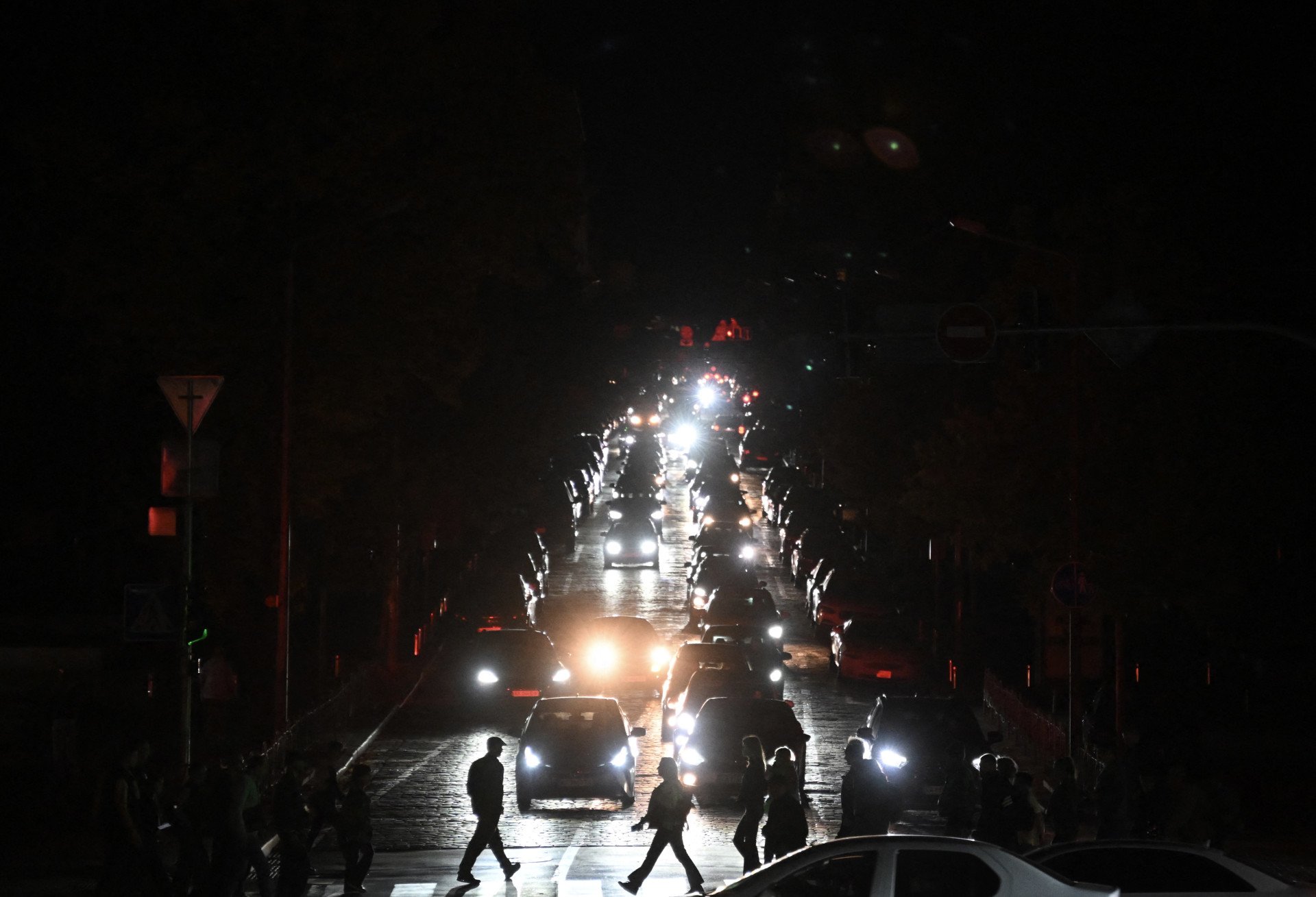
Walking through Kyiv’s streets at night, you eventually resort to using your phone as a light, haphazardly making your way through neighborhoods that now feel foreign, cloaked in black.

Kyiv, a city roughly the size of Berlin, now runs on strict emergency rationing, with power outages stretching most of the day and night, while temperatures trend downward, soon to be freezing.
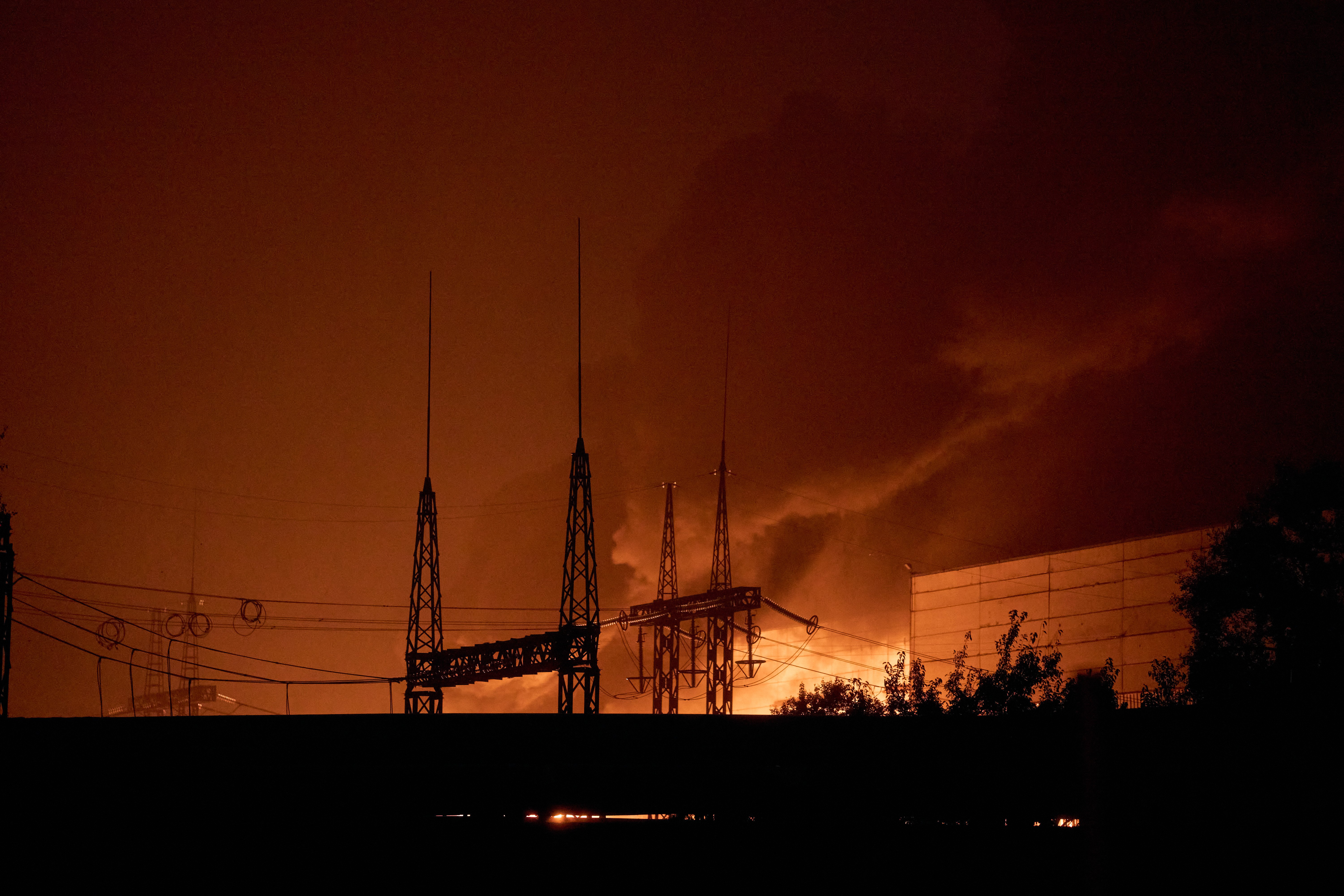
The culprit: Russia’s coordinated assault on the capital's electricity grid, the latest and largest launched on November 3. The wave included 17 ballistic missiles alongside 59 cruise missiles, targeting high-voltage substations, generation plants, and regional distribution nodes.

Europe and Ukraine’s low-cost answer to America’s air defense monopoly
In the West’s arsenal, only two systems deployed in Ukraine can reliably stop an incoming Russian ballistic missile: the US Patriot and the Franco-Italian SAMP/T. Everything else is built for slower drones or cruise missiles. With global stockpiles drained by wars in the Middle East, this October, Washington delivered an average of just 12 Patriot missiles.
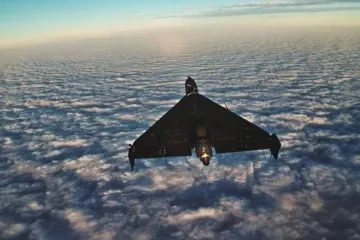
Facing an ever-dwindling supply of Patriot interceptors, Ukraine may have found an improbable lifeline in FREYJA—an anti-ballistic initiative developed with Ukrainian defense firm Fire Point that could serve as a "miracle card" to protect the nation's battered energy grid.
In late October, Ukrainian President Volodymyr Zelenskyy said Ukraine had completed its share of the European FREYJA project, while 10 partner countries were still working on their tasks.
These European nations—including Norway, the United Kingdom, and Germany—form the Anti-Ballistic Coalition behind FREYJA, aiming to reduce Europe’s dependence on the United States for ballistic missile interception. To counter relentless Russian ballistic threats, FREYJA could cut costs to a fraction of what a Patriot PAC-3 interceptor costs, targeting roughly $700,000 to under $1 million per shot compared to roughly $3.8 million.

This joint defense project boasts a system which integrates interfaces that allow foreign radars and fire-control units to communicate seamlessly with the Ukrainian-built interceptor.
Ukraine plans to test the full system and its key components in late 2026, aiming to have a working prototype ready for real-world use by early 2027.
Europe seems to understand that despite what has been described as a “Blue Tsunami” in the recent US midterms, it cannot rely on the whims of America’s foreign policy, and facing a threat like Russia, it requires, despite its best efforts at diplomacy, an effective, intimidating defense.
Cutting the cost per shot by roughly 70% would be a game-changer if the project were successful.
The iPhone model of air defense
Behind the multibillion-dollar business of missile defense lies an American monopoly designed much like an iPhone: secret, exclusive software ensures you can only use their parts and accessories, locking buyers into spending billions on the same company forever. As a result, allies find the US-American-dominated missile market nearly impossible to escape.
Beyond commercial profit, this economic model gives Washington immense geopolitical leverage. Under strict US export laws, allies cannot transfer a single missile to Ukraine without White House approval, keeping partner nations tethered to American political goodwill for their own survival. While discussions have surfaced about granting Ukraine a license to build Patriots domestically, real-world roadblocks remain high: Washington tenaciously guards its tech, and American contractors fear losing their captive market to cheaper competitors.
While in September Donald Trump seemed to verbally agree to grant Ukraine a license to produce Patriot missiles, generating a positive international response, the gesture was immediately watered down by US concerns over classified tech leaks, restricted to older or less sophisticated variants, and bogged down by industrial realities—leaving Ukraine without a single locally assembled interceptor. The initiative is stalled without formal US manufacturing approval, and neither Lockheed Martin nor Raytheon has announced a signed joint venture to move production forward.
The FREYJA project was already underway months before the much-watched footage of Trump floating licensing rights aired.
The brutal physics of hit-to-kill
When Fire Point officially unveiled FREYJA. Iryna Terekh Fire Point’s CEO, said in August, "We are trying to achieve in a couple of years what usually takes decades.” The company stated that it aims to shoot down a missile in a combat trial by 2027.
While Fire Point has conducted at least five successful flight tests of its FP-7.x interceptor since June, it has yet to attempt a live intercept against a high-speed target, the single hardest problem in aerospace engineering.
Conceived as a "mix-and-match" weapon (as is often the case with Ukrainian defense firms), the system cuts costs by combining Ukrainian-built composite rockets with sophisticated European radar and guidance sensors.
The current prototype relies on a standard blast-fragmentation warhead, but to intercept a ballistic missile, the FP-7.x would have to transition into a dedicated "hit-to-kill" (kinetic impact) interceptor. That is to say, physically crashing directly into it at extreme speed.
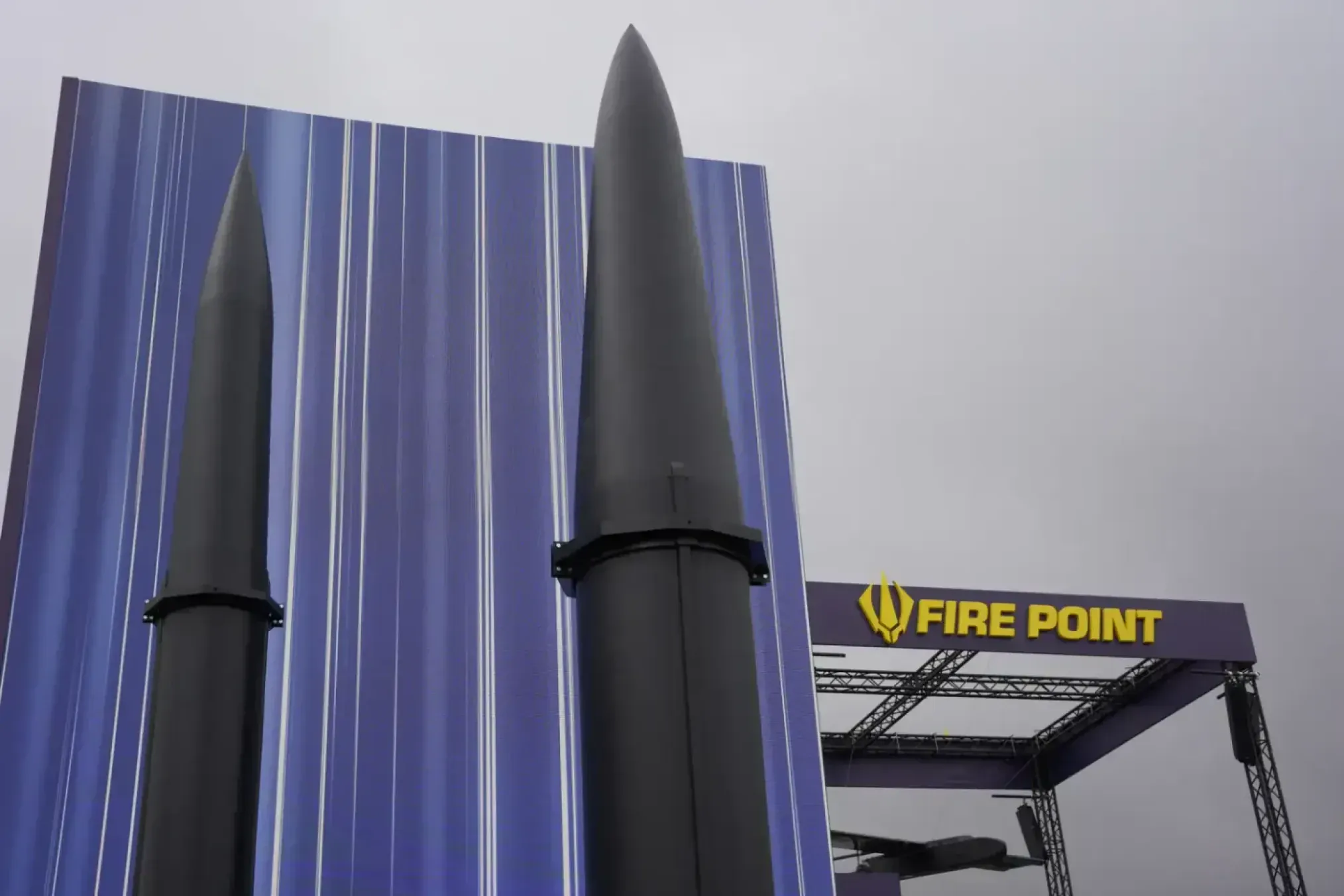
"If an interception occurs via proximity blast, the probability of destroying the incoming ballistic warhead is very low," Terekh stated. Though Fire Point isn’t inventing the software, it needs it’s EU allies to get remotely close to assembling a successful model.
Analysts caution that mastering the "hit-to-kill" precision needed to destroy a diving ballistic missile typically takes 9 to 18 months of intensive trial, leaving the project exposed to European export bottlenecks and relentless Russian strikes on domestic assembly plants (which Fire Point has suffered through many times).
Though FREYJA offers a realistic model for the future, it seems it will not arrive in time to defend Ukraine’s power grid this winter.
Discuss this article: