- Category
- World
EU Cuts Venice Biennale Funding After Russia Returns to Exhibition for First Time Since 2022
 Prefer U24 Media on Google
- Authors

-111f0e5095e02c02446ffed57bfb0ab1.jpeg "Photo of Roman Kohanets")
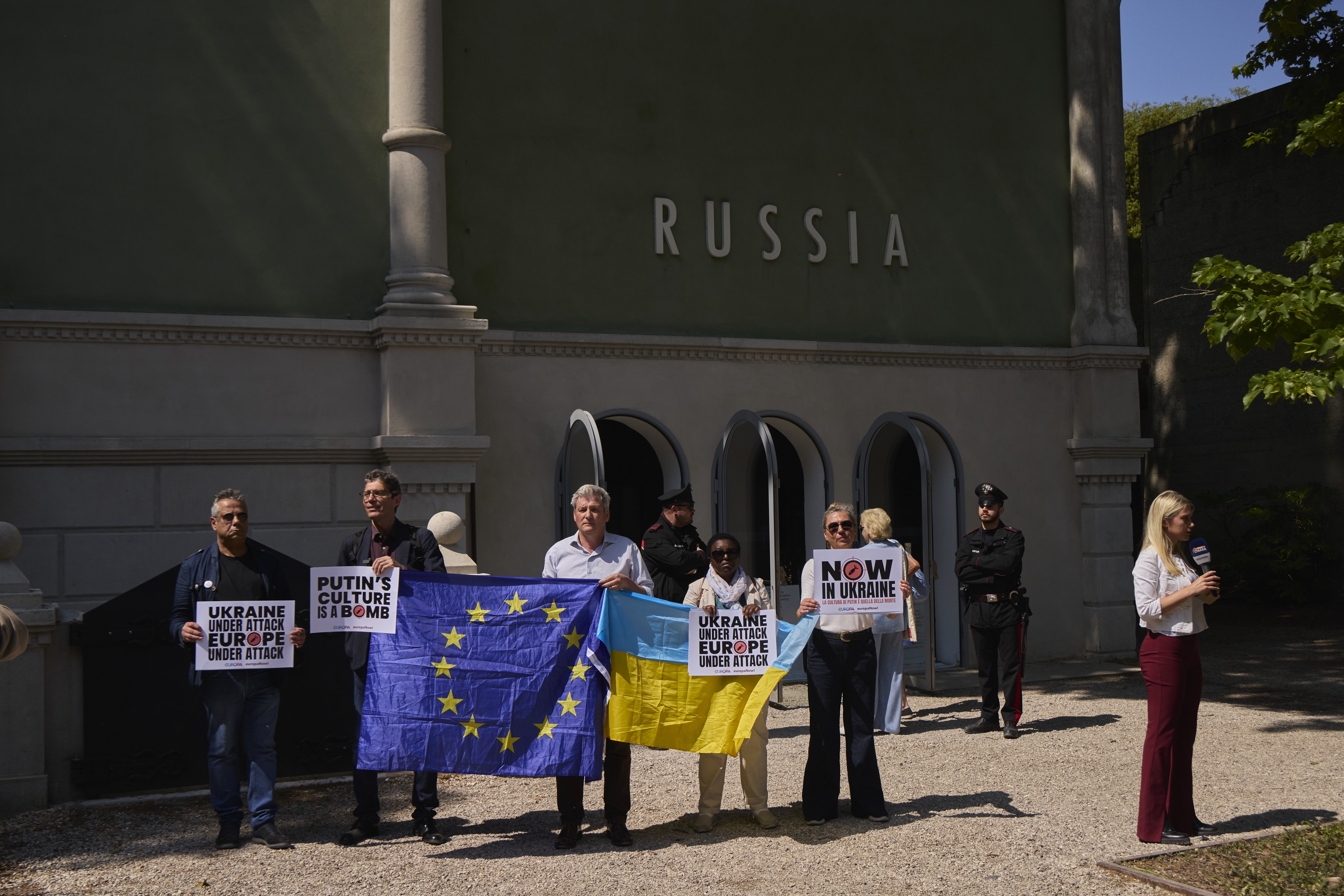
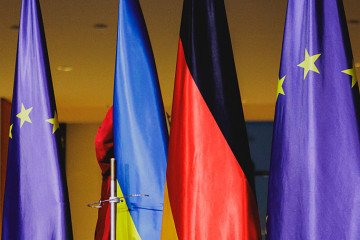
The European Union is halting its funding for the Venice Biennale over Russia's participation in the 2026 edition, cutting financial support for the event after Moscow’s return to the event.
This was announced by European Commission spokesman Tom Regnier on July 21, as reported by the German press agency dpa, with Ukrinform carrying the statement.
We bring you stories from the ground. Your support keeps our team in the field.
"Following the Commission's legal assessment and recommendation, EACEA has taken the decision to terminate the ongoing €2 million ($2.3 million) grant to the Fondazione La Biennale di Venezia," Regnier stated, referring to the European Education and Culture Executive Agency.
The grant had been used to support film producers and immersive technology, according to he German news agency Deutsche Presse-Agentur.
Cultural projects funded by European taxpayers' money should "safeguard democratic values, foster open dialogue, diversity and freedom of expression," Regnier emphasized, adding that these are "values which are not respected in today's Russia."
The 2026 Venice Biennale marks Russia’s first participation in the event since the start of its full-scale invasion of Ukraine.
The funding cut lands on a Russian delegation whose leadership is tied directly to the Kremlin's political and defense elite. Anastasia Karneeva, commissioner of the Russian pavilion since 2021, is the daughter of Nikolai Volobuyev, a retired general and former deputy director of the state defense giant Rostec, and co-founded the art consultancy Smart Art with Ekaterina Lavrova, daughter of Russian Foreign Minister Sergey Lavrov.
Other participants include Elizaveta Anshina, a lecturer for a state platform that hosts talks by occupation official Denis Pushilin and ultranationalist ideologue Alexander Dugin, and Aleksey Khovalyg, who has publicly backed Russia's war and performs in a Culture Ministry touring program supporting the military.
Russia's return was itself announced by Mikhail Shvydkoy, Putin's special representative for international cultural cooperation, who declared that culture stands above politics after having advocated a year earlier for restoring Soviet-style censorship in Russia.
On July 12, the European Commission formally recommended terminating the Biennale's grant funding after the Russian pavilion opened, Ukrinform reported. Tuesday's announcement turns that recommendation into a final decision.
The termination caps months of scrutiny that began well before the exhibition opened.
In March, the Biennale's management handed the Italian Ministry of Culture documentation on the Russian pavilion after an urgent request to establish whether its logistics or financing could breach EU sanctions. On March 20, the Venice Biennale Foundation stated that Russia's participation violated no restrictions imposed after the 2022 invasion.
Pressure continued to build: Finland's political leadership announced it would skip the opening if the Russian pavilion remained; Latvian Culture Minister Agnese Lāce declared a boycott; a petition signed by 73 artists demanded exclusions; and on opening day, May 6, activists from FEMEN and Pussy Riot protested outside the Russian pavilion.
On July 13, Executive Vice-President Henna Virkkunen announced the Commission's official recommendation to terminate the $2.3 million grant covering the 2025–2028 period.
Discuss this article:

-c439b7bd9030ecf9d5a4287dc361ba31.jpg "Photo of Katherina Popilnichenko")
-72b63a4e0c8c475ad81fe3eed3f63729.jpeg "Photo of Cyril Barabaltchouk")