- Category
- Culture
European Commission Seeks Cut to Venice Biennale Funding Over Russian Participation
 Prefer U24 Media on Google
- Authors

-c439b7bd9030ecf9d5a4287dc361ba31.jpg "Photo of Katherina Popilnichenko")
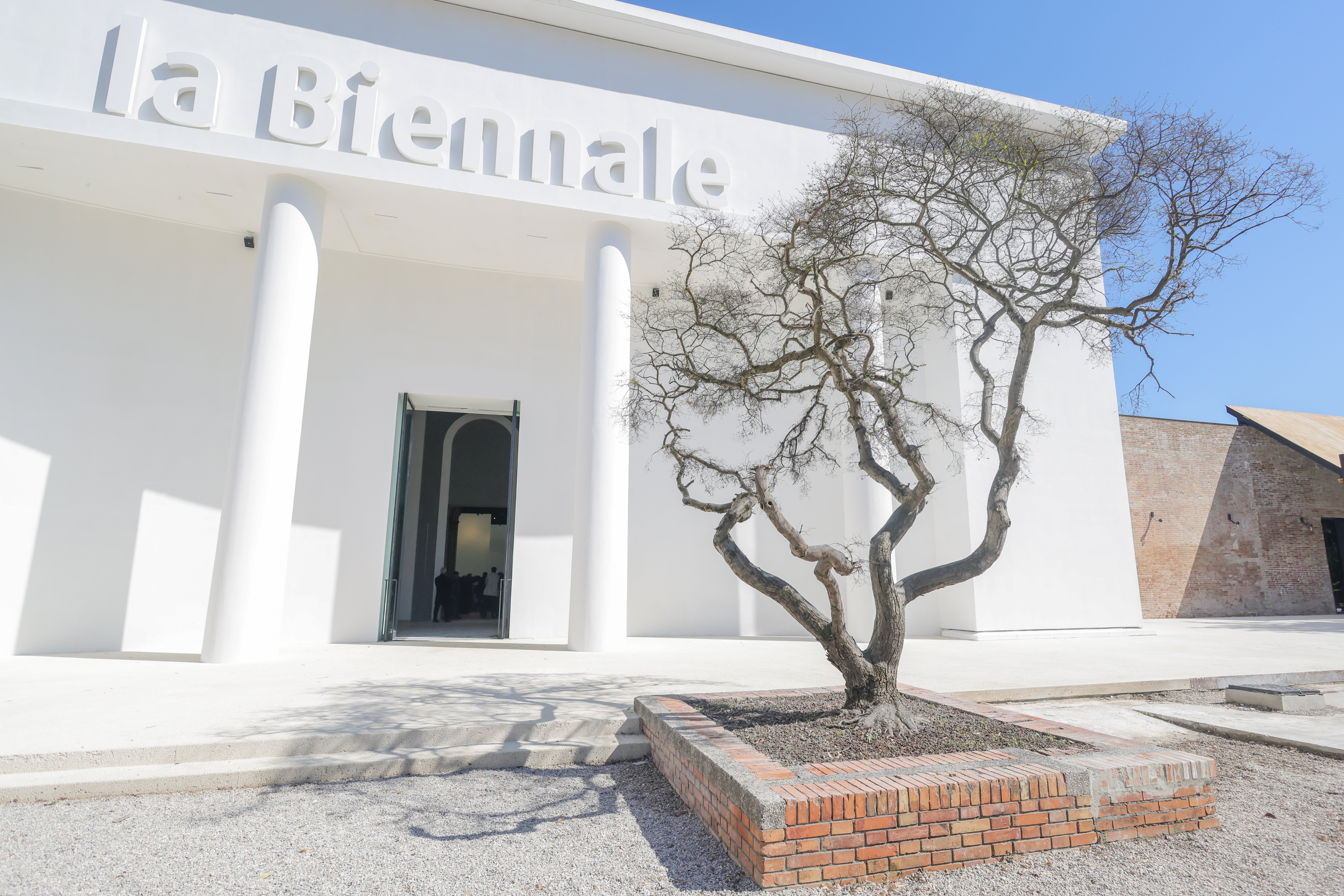
The European Commission has officially recommended halting €2 million ($2.28 million) in grant funding earmarked for the Venice Biennale for the 2025–2028 period due to the inclusion of a Russian pavilion.
Executive Vice-President of the European Commission for Technological Sovereignty, Security, and Democracy Henna Virkkunen announced the recommendation, noting that the decision followed a review of responses from the Venice Biennale management regarding the Russian national pavilion at the 61st exhibition, according to Executive Vice-President of the European Commission for Technological Sovereignty, Security, and Democracy, Henna Virkkunen, on July 13.
We bring you stories from the ground. Your support keeps our team in the field.
Virkkunen stated in her post, "Commission officially recommends the Executive Agency for Education and Culture to terminate the grant of €2 million ($2.28 million) to the Venice Biennale," and added, "Culture in Europe, funded by taxpayers, must promote and protect democratic values. These values are not respected in today's Russia."
This development marks the first time since Russia's full-scale invasion of Ukraine that Russia has been included on the official participant list of the Venice Biennale. The Russian national pavilion presented a project featuring over 50 young musicians, poets, and philosophers from Russia and other countries, including Argentina, Brazil, Mali, and Mexico.
Organizers announced that the event showcased five contemporary figures who held "great unpopularity among their governments—the US, Israel, China, Russia and even the EU." Additionally, a program was planned in honor of Pavel Florensky, an Orthodox priest and philosopher executed during the Great Terror, whom Russian leader Vladimir Putin had promoted as one of the fundamental thinkers of the "Russian world."
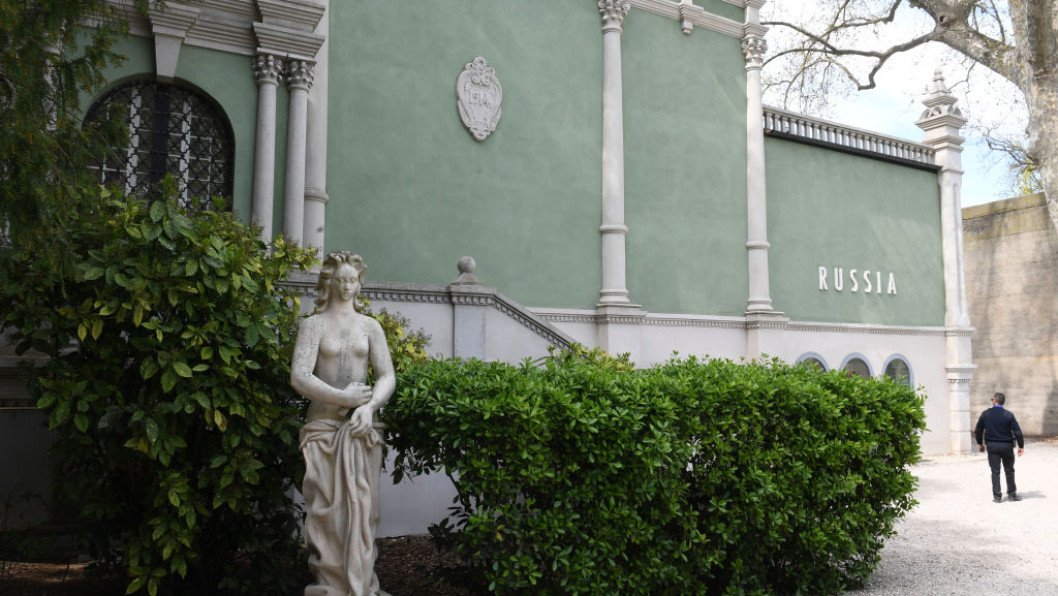
Following Russia's announced participation, Ukraine urged organizers to reconsider and maintain their condemnation of the occupying nation. The European Commission threatened to withdraw funding if Russia participated, but the Biennale organizers stated they had violated no regulations and confirmed Russia's inclusion, maintaining that the exhibition must remain a "place of dialogue, openness and artistic freedom."
Diplomatic reactions have followed, with Ukrainian Foreign Minister Andrii Sybiha calling on Italy to deny visas to Russian participants. Finland's political leadership announced they will skip the opening of the Biennale if the Russian pavilion remains open, though civil servants will attend to support Finnish art. Latvian Culture Minister Agnese Lāce also stated she would boycott the opening.
Further pressure has come from within the artistic community. A petition signed by 73 artists petitioned the Biennale management to exclude Russia, Israel, and the United States.
-8efbefc45fbc75d853543573fabeeae8.jpg)
Ukraine and the PinchukArtCentre have also repeatedly appealed to the organizers of the 61st Venice Biennale to deny Russian participation. On the opening day on May 6, activists from the FEMEN and Pussy Riot movements held a joint protest outside the Russian pavilion to oppose Russia's presence.
On March 20, 2026, the Venice Biennale Foundation stated that Russia's participation in the prestigious international exhibition did not violate any restrictions imposed by the European Union following Russia's full-scale invasion of Ukraine.
As reported by RAI on March 17, the Venice Biennale, led by Pietrangelo Buttafoco, provided the Italian Ministry of Culture with "all requested documentation" regarding the Russian pavilion in response to an urgent request from Minister Alessandro Giuli. The minister had sought to determine whether any logistics, materials, or financial operations related to the pavilion installation could potentially contravene the EU's sanctions, which were introduced after the invasion in 2022.
According to Adnkronos, the sanctions did not prohibit Russian artists from participating in international cultural events. In its response, the Biennale emphasized that "no rules were violated, and sanctions against the Russian Federation were fully respected."
Discuss this article:



-e00d178a31a987cd514e15ad3a8c2131.jpeg "Max Klymenko wearing the Etnodim, featuring embroidery inspired by traditional Ukrainian crafts. (Source: Ian Treherne)")
-e88c01988249cd60b6f04f79d29156b7.jpeg "Damage to “Cosmogony,” the largest painting in Ukraine, following a Russian drone attack on Lutsk on October 13, 2026. (Source: @sashyyna/Instagram)")