- Category
- World
Finland Lifts Ban on Nuclear Weapons, Opening Door to NATO Deterrence Cooperation
 Prefer U24 Media on Google
- Authors

-111f0e5095e02c02446ffed57bfb0ab1.jpeg "Photo of Roman Kohanets")
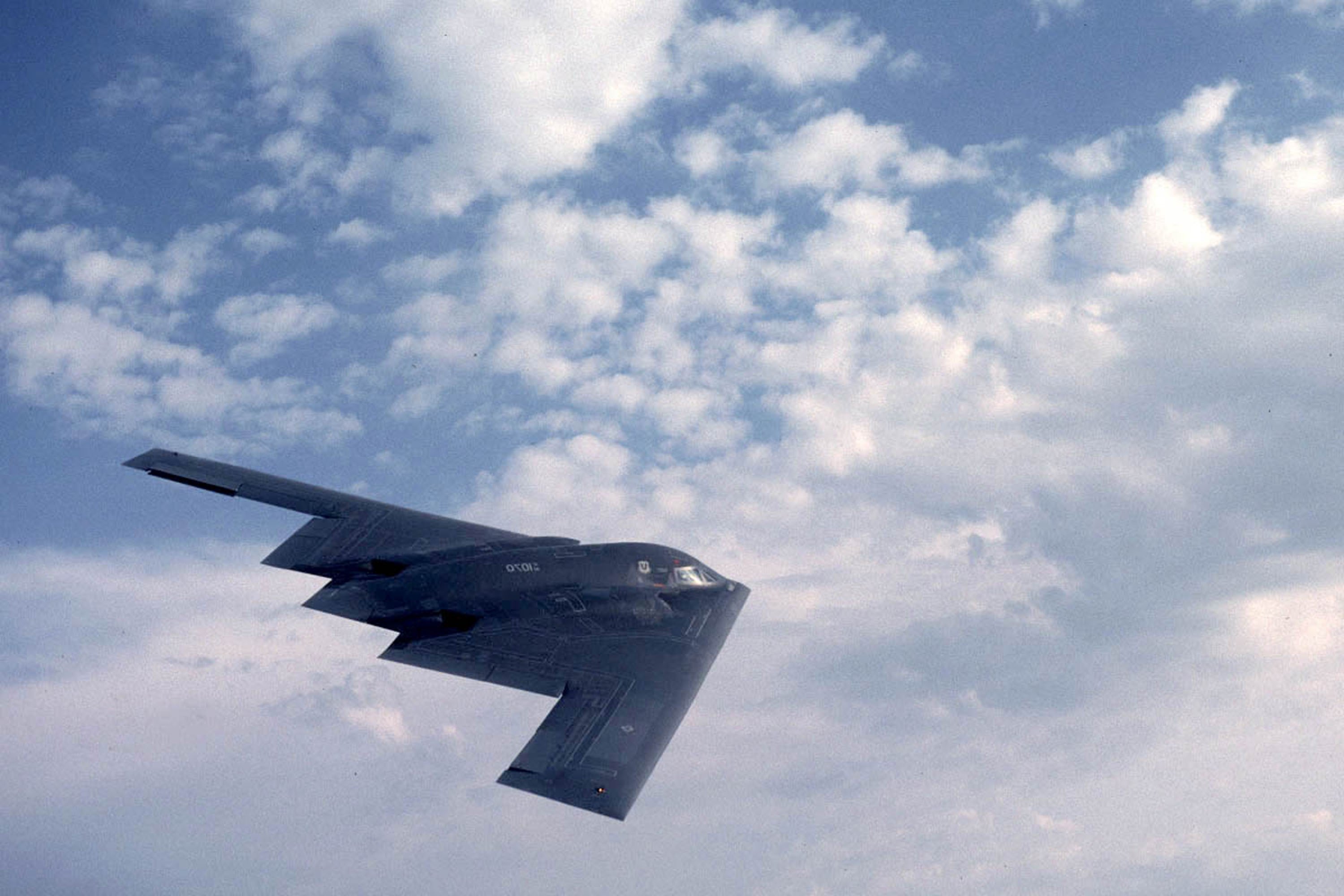
Finland's parliament voted on June 17 to lift the country's ban on nuclear weapons on its territory. a shift toward firmer deterrence against Russia as it deepens its integration with NATO.
Bloomberg reported the legislation, which lawmakers approved 125 to 61, permitting nuclear arms on Finnish territory when required for national defense.
We bring you stories from the ground. Your support keeps our team in the field.
No nuclear weapons are currently based in Finland, and under existing law, none could be. The country's 1987 Nuclear Energy Act, written during its Cold War neutrality, bans the import, transport, possession, and detonation of nuclear devices outright.
The new measure lifts that blanket prohibition for defense purposes while keeping the manufacture and detonation of such weapons criminal.
The government has framed the change as a way to improve deterrence in an increasingly unpredictable security environment, while maintaining that it has no plans to host nuclear weapons, Bloomberg noted.
The measure brings Finland's rules closer to those of other NATO members, after the country joined the alliance in 2023 in response to Russia's full-scale invasion of Ukraine.
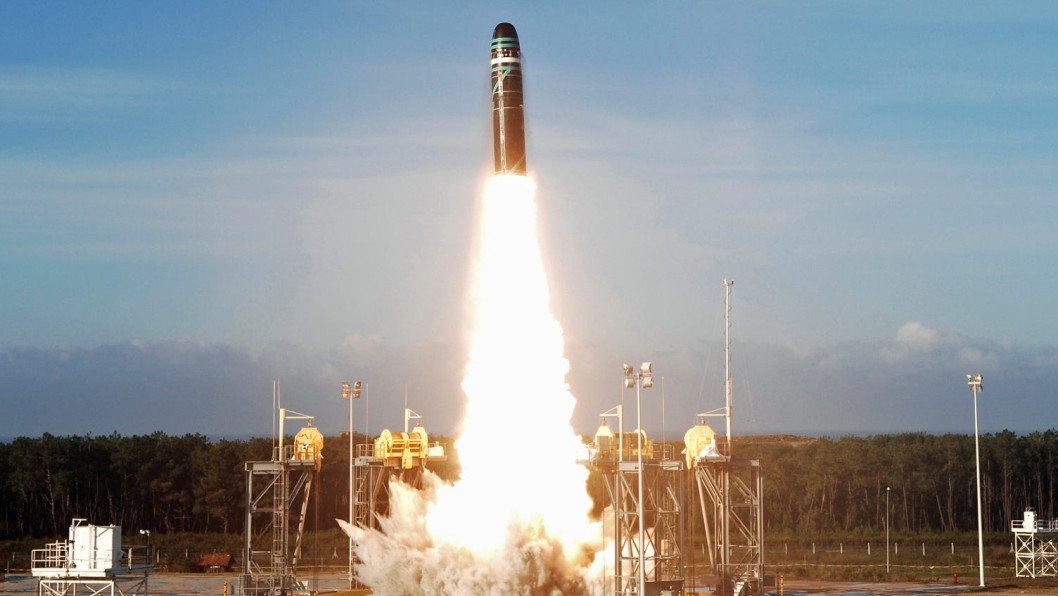
Defense Minister Antti Hakkanen called the measure essential for Finland's security. "With this proposal, we are strengthening Finland's defense and enabling the full use of NATO's nuclear deterrent as protection for Finland," he wrote on the social platform X.
Open-source analyses assess that the most realistic direct NATO nuclear pathway for Finland would be its incoming F-35A fighters paired with the US B61-12 guided bomb, the alliance's newest dual-capable strike combination.
Finland is acquiring 64 F-35As, but they are not assigned to NATO's nuclear-sharing mission, and adding such a role would require separate certification, dedicated training, and a political decision Helsinki has not taken.
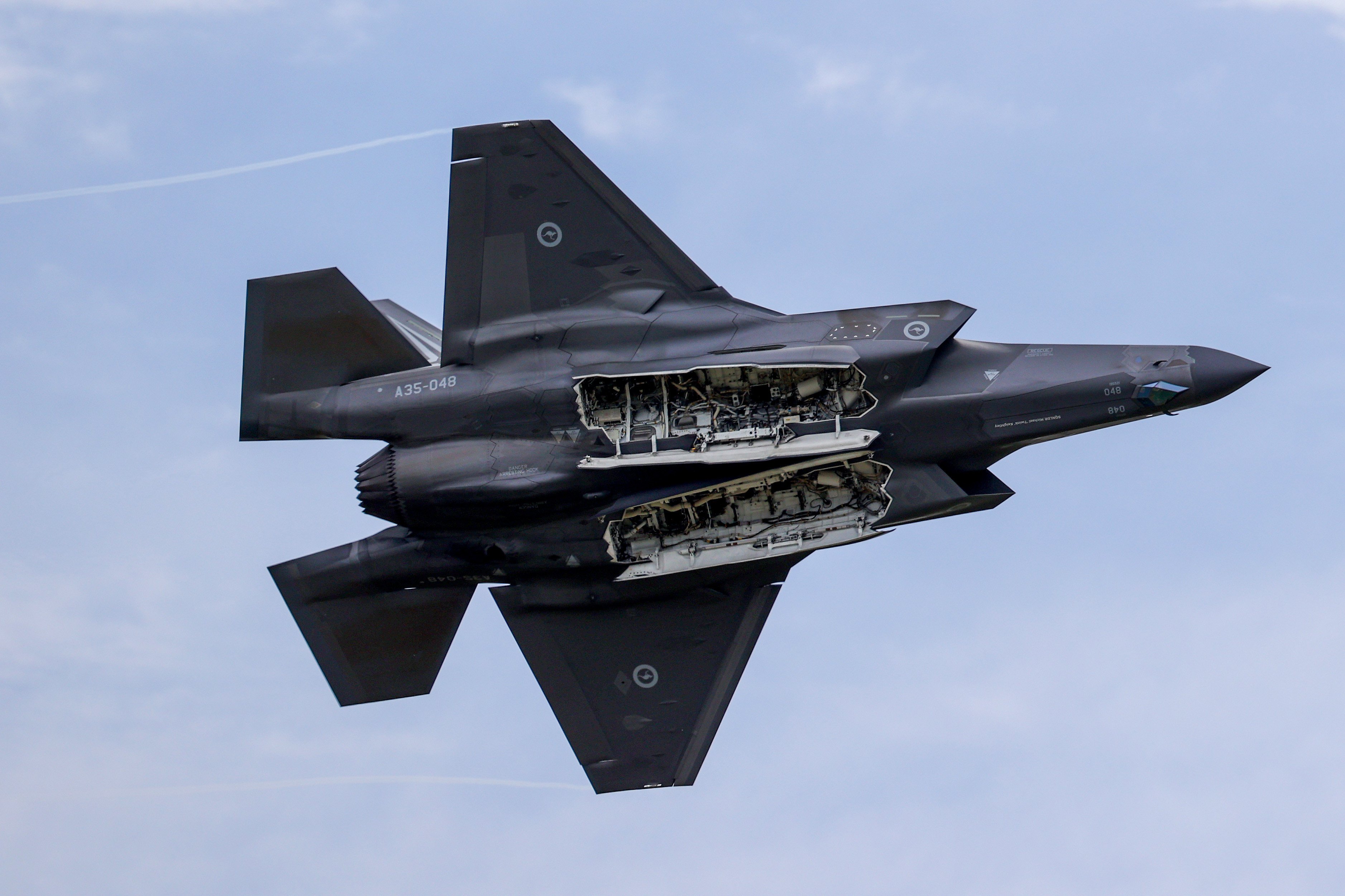
Analysts consider the temporary use of Finnish air bases by allied dual-capable jets in a crisis a more likely arrangement than the deployment of any Finnish nuclear capability.
The vote reflects a broader European reassessment of deterrence amid uncertainty over Russia's intentions and questions about the long-term reliability of the US security guarantee.
While US President Donald Trump has not signaled that Washington would withdraw its nuclear protection, doubts over future US commitments have pushed several governments to strengthen their own defenses, Bloomberg added.
Finland is also weighing whether to join an initiative by French President Emmanuel Macron to extend France's nuclear deterrent more widely across Europe, with a decision expected in the autumn.
The reassessment has gained momentum across the Nordic region as concern over Russia's military buildup deepens. In late May, Norway signed an agreement to shelter under France's nuclear umbrella, with its prime minister citing Russia's large-scale rearmament and its war against a fellow European state. Sweden and Denmark have weighed comparable steps toward the French deterrent, currently the only one held by an EU member.
Discuss this article:


-c439b7bd9030ecf9d5a4287dc361ba31.jpg "Photo of Katherina Popilnichenko")