- Category
- World
German Military Reactivates Five Former Barracks for New Conscription Model
 Prefer U24 Media on Google
- Authors

-72b63a4e0c8c475ad81fe3eed3f63729.jpeg "Photo of Cyril Barabaltchouk")
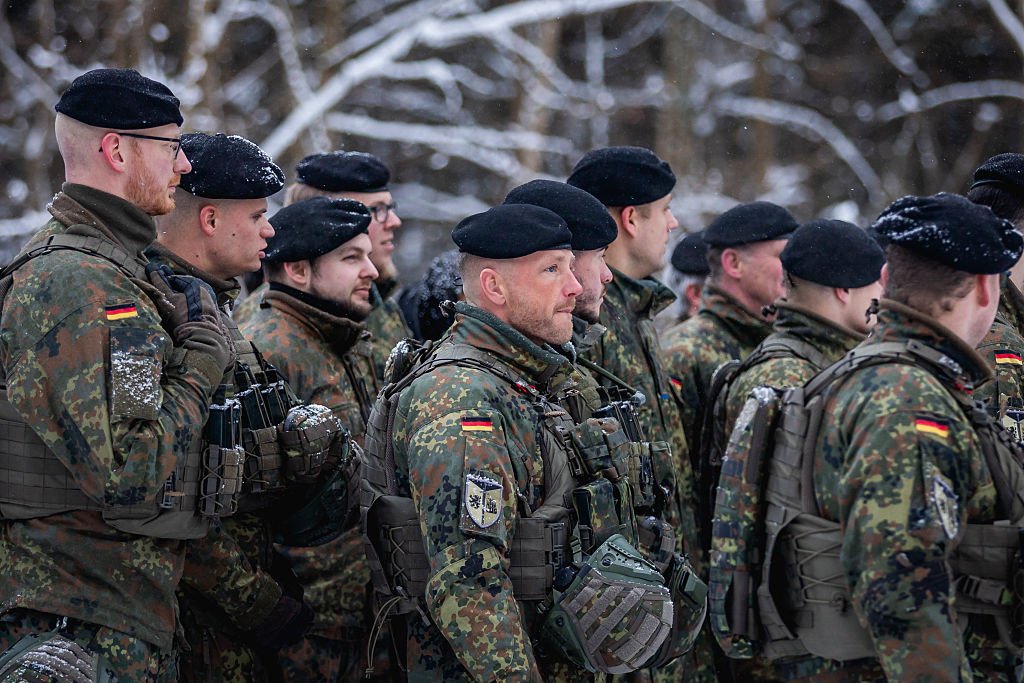
The German Ministry of Defence has initiated concrete preparatory steps to reactivate five former military properties across four federal states, Sicherheit & Verteidigung reported on August 11.
This aims to create vital accommodation and training capacities for future conscripts.
We bring you stories from the ground. Your support keeps our team in the field.
The infrastructure expansion aligns with statements from Defense Minister Boris Pistorius, who confirmed that Germany is accelerating its military overhaul and preparing to raise defense spending to €162 billion ($186 billion) by 2029.
Noting that the German public increasingly supports rearmament and military service, Pistorius stressed that Germany must build a position of strength to deter potential Russian aggression, while pressing domestic defense contractors to overcome project delays and meet the military’s growing procurement needs.
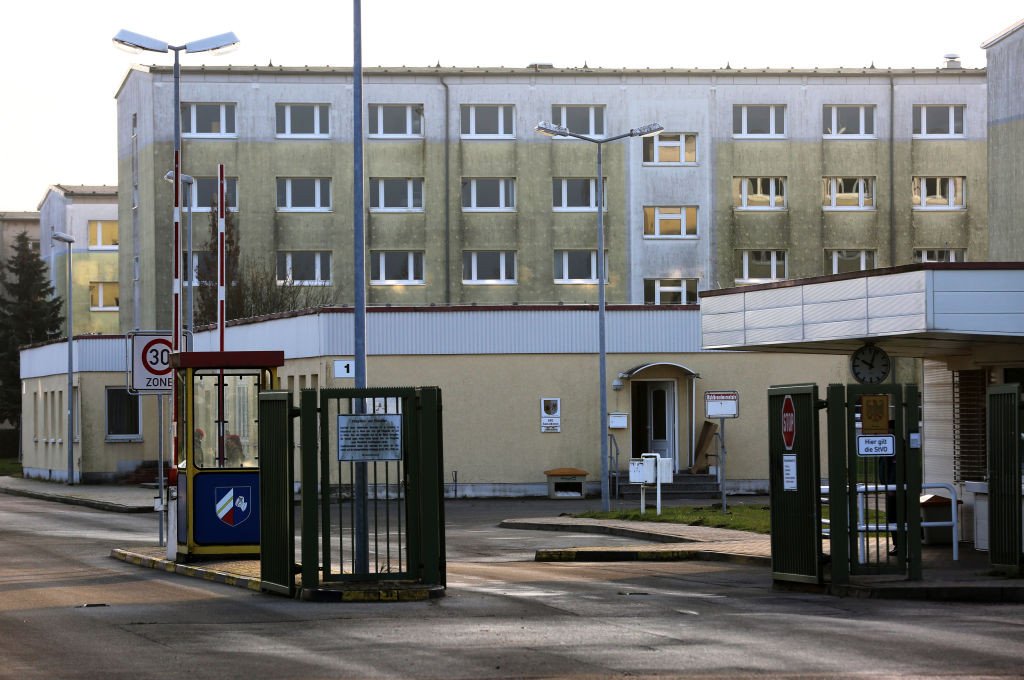
In July, the ministry originally identified eight former military sites deemed particularly suitable for the country’s “New Military Service” framework. The government is now moving forward with five specific locations: the Graf-Stauffenberg Barracks in Sigmaringen, the Unteroffizier-Krüger Barracks in Kusel, the Kurpfalz Barracks in Speyer, the Kanaal-van-Wessem Barracks in Soest, and the former US Ray Barracks in Friedberg.
Several of these sites also include their former training grounds, such as the Ockstadt training area in Friedberg. All five properties are slated to be assigned to the Army, though a final stationing decision has not yet been officially finalized, according to Sicherheit & Verteidigung.
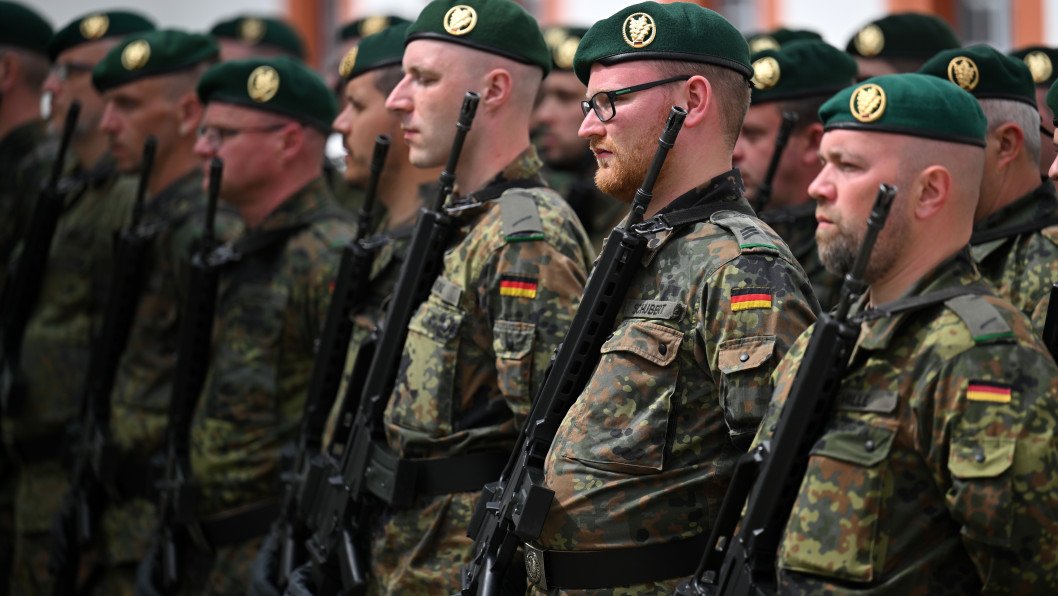
The driving force behind this infrastructure push is the planned personnel expansion of the German armed forces. By 2035, the Bundeswehr aims to maintain a force of at least 260,000 professional and temporary soldiers, alongside a robust force of 200,000 reservists
The New Military Service, which came into effect on January 1, 2026, is primarily designed to build up this reserve capacity. Since the beginning of the year, all 18-year-old men have been required to complete a mandatory military questionnaire, and the compulsory medical examination for the 2008 birth cohort is scheduled to begin on July 1, 2027.
Sicherheit & Verteidigung wrote that, to support this massive intake, 24 regional examination centers were recently established nationwide.
Because the resulting demand for accommodations, training facilities, and exercise areas far exceeds the military’s current real estate inventory, the defense ministry suspended the conversion of former military land for civilian use last year. The freeze affected 187 former properties managed by the Federal Agency for Real Estate Tasks, alongside dozens of other active and recently cleared sites.
Before any final decisions regarding military reactivation can be made, the ministry must conduct local dialogues with municipal leaders. These discussions have already taken place in Speyer, Kusel, and Sigmaringen, with the mutually agreed results set to be formalized in official letters of intent.
A similar meeting is scheduled for Soest in September, while talks regarding the Friedberg site are still pending, Sicherheit & Verteidigung wrote.
-2bfcaf8959fd30f02a646a8354d5582d.jpg)
The situation in Friedberg is particularly complex because the sprawling 74-hectare grounds are currently designated for other municipal projects. The city had initially planned to convert the area into a mixed-use district for housing and commerce.
Furthermore, the local district has already invested approximately 13 million euros ($14.9 million) into renovating the former barracks to accommodate refugees. While local officials have signaled a willingness to cooperate with the Bundeswehr’s return, they have heavily emphasized the need for the federal government to reimburse these prior financial investments, Sicherheit & Verteidigung noted.
To help streamline these complex reclamations, the federal cabinet passed the Bundeswehr Infrastructure Acceleration Act in July 2026.
The legislation introduces a new military construction law that establishes an “overriding public interest” for specific defense projects, shortens planning deadlines, grants environmental exemptions, and expands the administrative powers of the military, Sicherheit & Verteidigung reported.
The draft law is currently awaiting final approval in the Bundestag.
German Inspector General Carsten Breuer had previously ordered the Bundeswehr to achieve full operational capability by 2029 to counter a potential Russian attack on NATO territory.
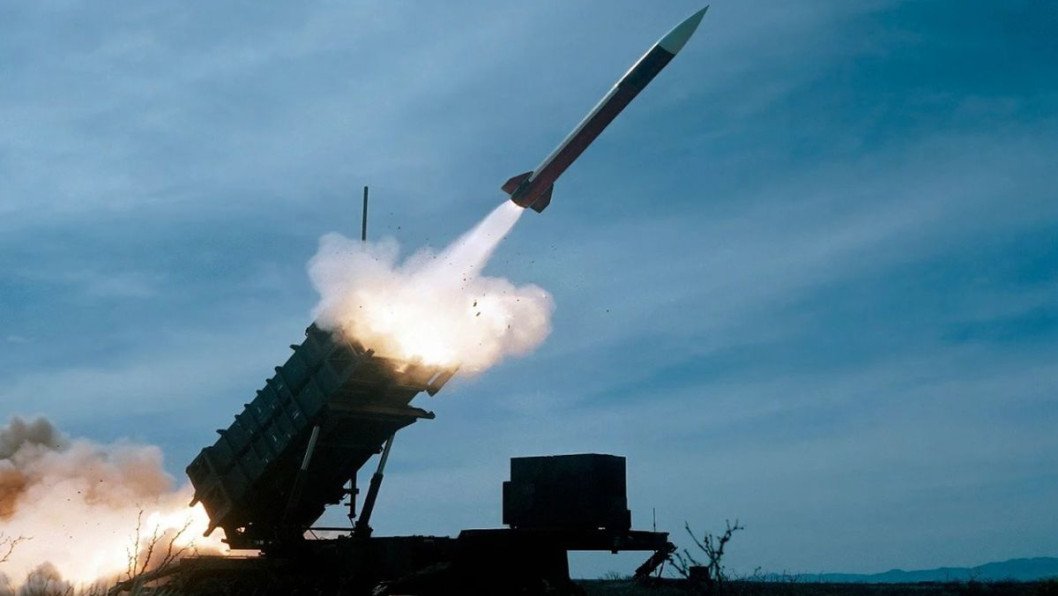
Funded through an easing of Germany’s constitutional debt brake, the directive prioritizes expanding air defenses, long-range precision strike capabilities, electronic warfare, and ammunition stockpiles following warnings that Russia could rebuild its forces to launch large-scale aggression by 2029.
Discuss this article:



-c439b7bd9030ecf9d5a4287dc361ba31.jpg "Photo of Katherina Popilnichenko")