- Category
- World
Havana Hit by Protests as US Energy Blockade Drains Cuban Fuel Reserves
 Prefer U24 Media on Google
- Authors

-72b63a4e0c8c475ad81fe3eed3f63729.jpeg "Photo of Cyril Barabaltchouk")
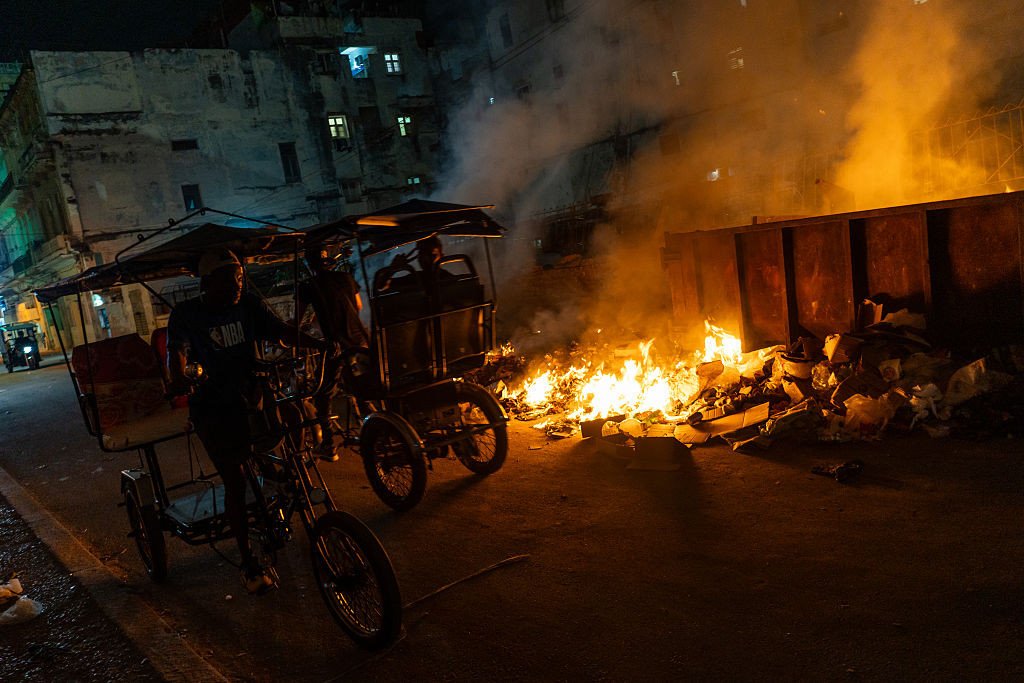
Protests erupted across Cuba overnight after the government announced the complete exhaustion of its diesel and fuel oil reserves, the Financial Times reported on May 14.
Residents in Havana reportedly banged pots and set up burning barricades in the streets, resulting in clashes with police. The unrest follows a public statement by Energy Minister Vicente de la O Levy, who confirmed the country has no remaining fuel reserves, prompting power outages lasting up to 22 hours in several neighborhoods.
We bring you stories from the ground. Your support keeps our team in the field.
Cuban officials attributed the crisis to a near-total energy embargo enforced by the administration of US President Donald Trump over the past four months. According to the Financial Times, President Miguel Díaz-Canel described the country’s energy situation as particularly tense, blaming the “dramatic worsening” on a “genocidal” US blockade.
Havana’s primary energy supply from Venezuela was severed in January following the US military capture of Nicolás Maduro. Subsequent deliveries from Mexico were halted under pressure and tariff threats from Washington, leaving a single March shipment of 700,000 barrels of Russian crude as Cuba’s only recent supply.
The fuel shortage has severely impacted domestic infrastructure, leading to grounded commercial flights, canceled hospital surgeries, and disrupted municipal services. In response, the Cuban government recently lifted price caps on available petrol and permitted private sector imports, with black market prices surging to over $8 per liter.
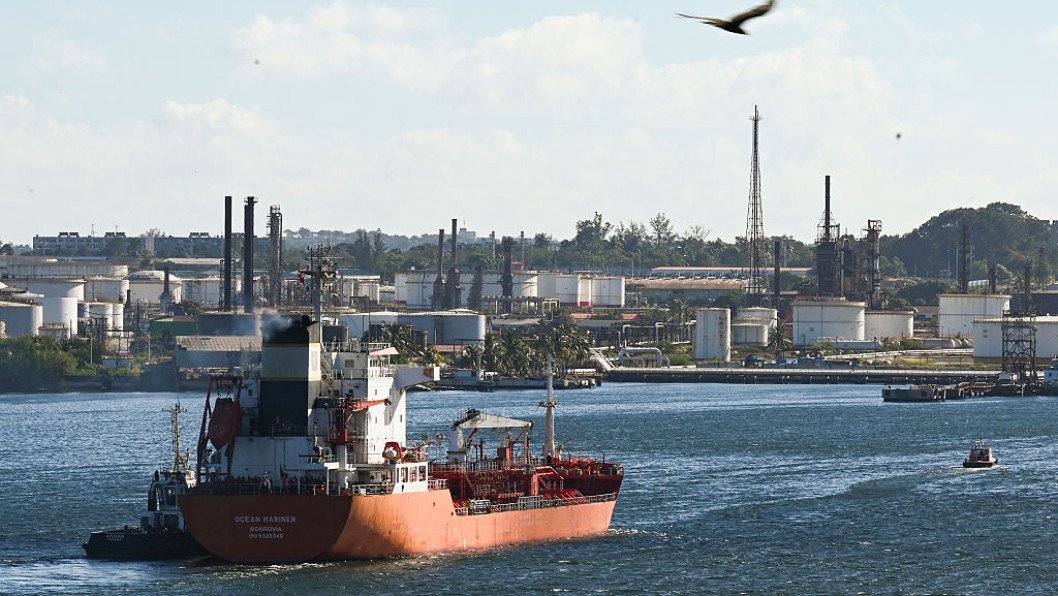
Washington has rejected Havana’s accusations regarding the cause of the shortages. The US State Department blamed the crisis on the “failures of Cuba’s corrupt regime” and stated it had offered $100 million in “critical life-saving” humanitarian assistance, which the Cuban government refused, according to the Financial Times.
The complete depletion of domestic fuel reserves comes as Havana increasingly relies on Moscow to weather the economic fallout of the tightening US embargo. Russian Deputy Minister of Industry Roman Chekushov had previously announced that Cuba is preparing to allow Russian companies to manage industrial production across the island as the energy crisis deepens.
During a recent meeting in Havana to discuss energy security, Russian Deputy Foreign Minister Sergei Ryabkov assured President Díaz-Canel of Moscow’s long-term solidarity, stating that Russia “cannot leave them to their fate” despite intense pressure from Washington. Díaz-Canel, in turn, reiterated his unwavering support for Russian leader Vladimir Putin.
Discuss this article:


-c439b7bd9030ecf9d5a4287dc361ba31.jpg "Photo of Katherina Popilnichenko")