- Category
- World
How a Soviet-Era Helicopter Fleet Is Pulling South Korean Operators Back Toward Russia
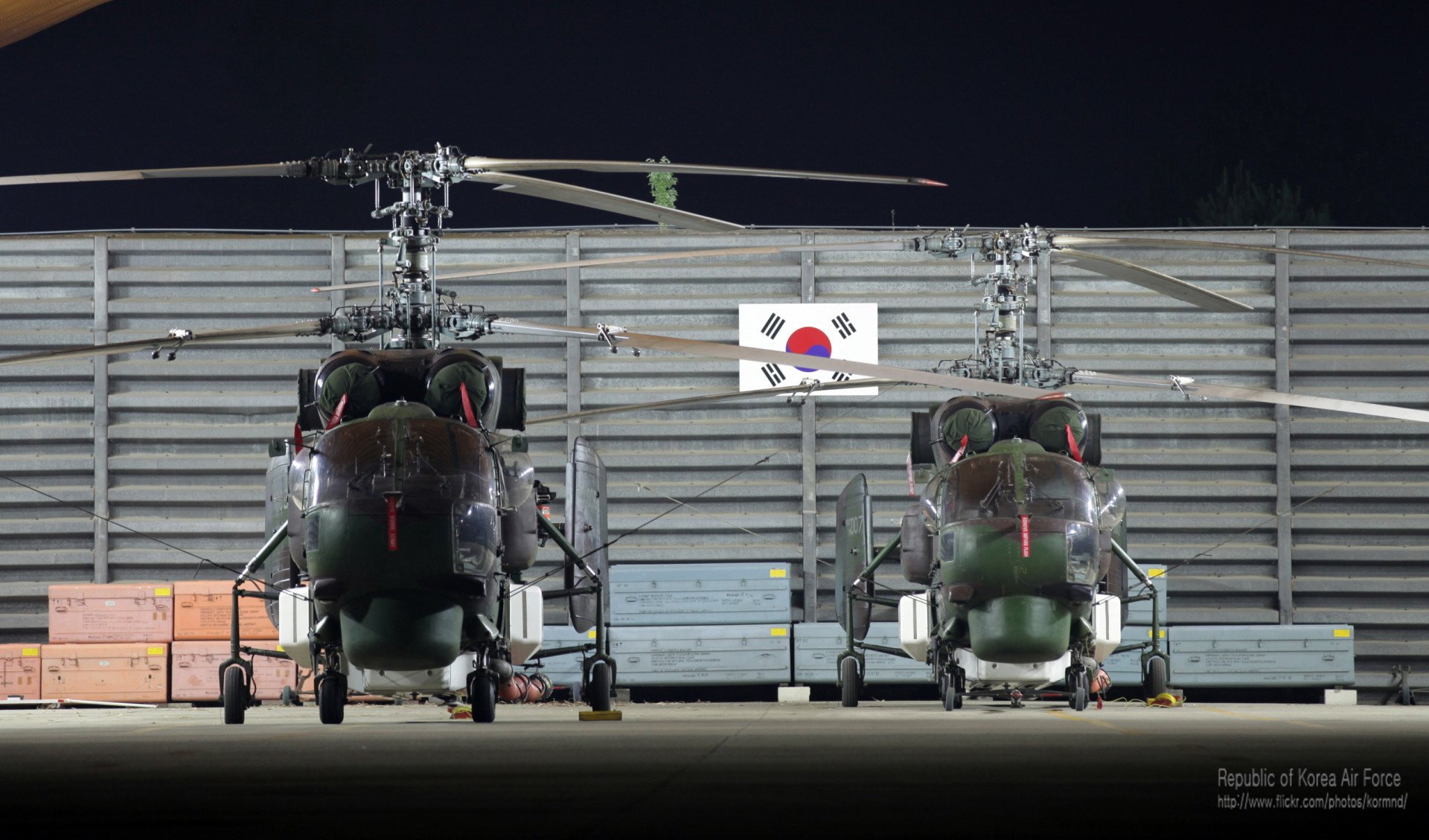
A Soviet debt deal gave South Korea a fleet of Russian helicopters that became indispensable for fighting wildfires. More than 30 years later, Dallas Analytics has traced efforts to keep those aircraft flying back toward sanctioned Russian aviation companies—turning a firefighting necessity into an uncomfortable national-security problem.
 Prefer U24 Media on Google
- Authors


South Korea’s dependence on Russian-built Ka-32 helicopters may be drawing private aviation operators back toward sanctioned parts of Moscow’s aerospace industry, according to documents and customs records obtained and analyzed by Dallas Analytics on September 2.
The investigation centers on HeliKorea, one of South Korea’s largest private helicopter operators and maintenance providers, and correspondence showing that the company sought talks in Russia in late 2025 over continued support for the Ka-32 fleet.
We bring you stories from the ground. Your support keeps our team in the field.
Dallas Analytics obtained a December 1, 2025 letter in which HeliKorea proposed a visit to Russia’s 322 Aircraft Repair Plant, or 322 ARZ, an authorized Ka-32 repair center in Primorsky Krai.
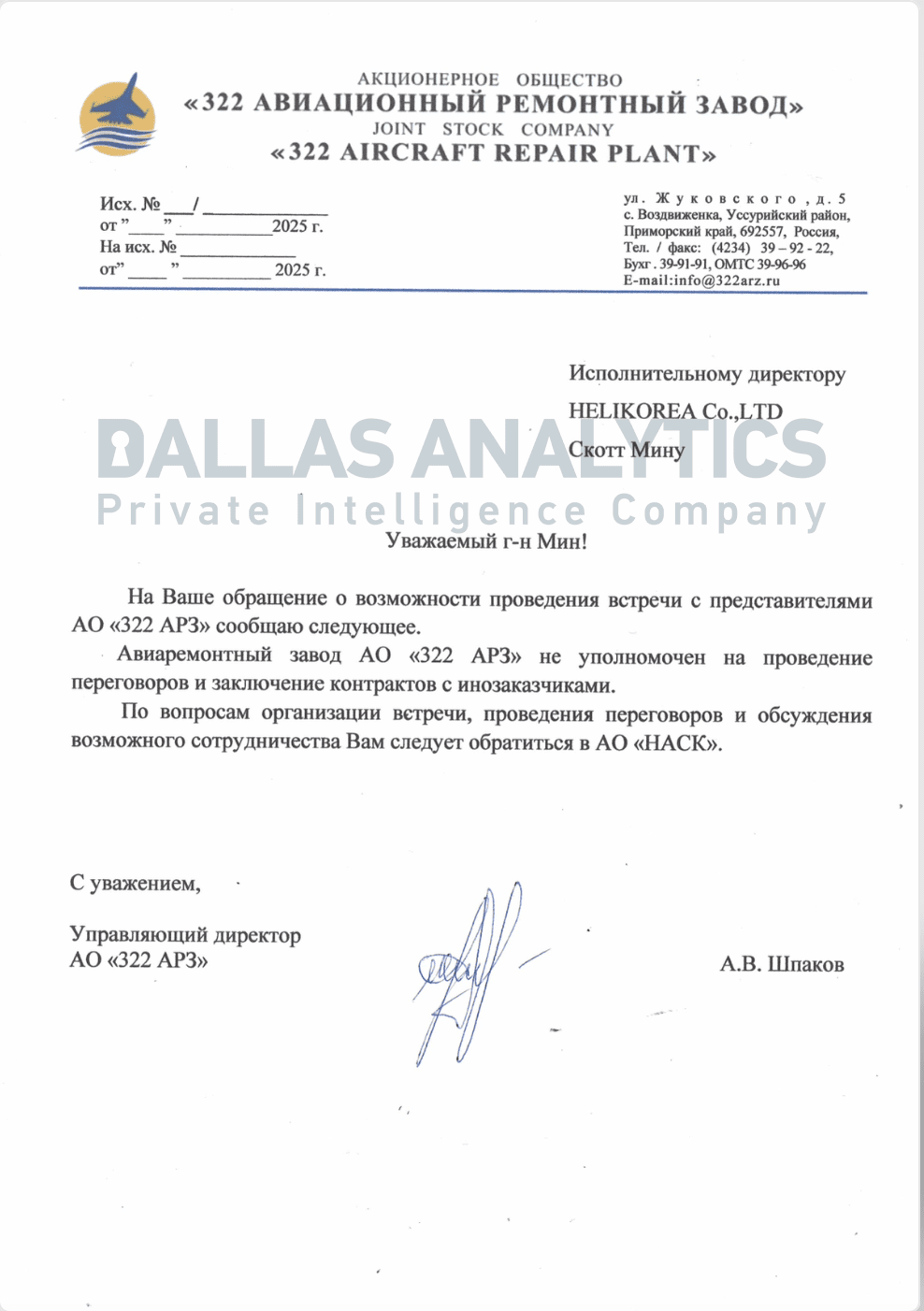
The Russian plant told HeliKorea that it was not authorized to negotiate directly with foreign customers and instead directed the South Korean company toward JSC National Aviation Service Company, or NASC—a Russian state aviation intermediary sanctioned by the United States and Canada and linked to Russian Helicopters and state-owned defense conglomerate Rostec.
HeliKorea did not respond to questions from Dallas Analytics about its dealings with the Russian entities or its sanctions-compliance procedures.
But Dallas Analytics says a source familiar with the company’s operations confirmed that the December 2025 delegation did travel to Russia. The same source said HeliKorea continues obtaining components through third-party intermediaries.
The findings do not establish the full scale of those transactions, nor do they prove that HeliKorea is procuring parts for South Korea’s wider Ka-32 fleet. Dallas Analytics says the documents instead reveal a potential mechanism through which Russian-made helicopters could continue receiving support connected to sanctioned Russian aviation companies.
That distinction is critical.
What the investigation exposes with greater certainty is the difficult position South Korea has inherited: aircraft that are highly valuable for firefighting and rescue operations, but whose continued operation has become increasingly difficult without access to the Russian industrial base that built them.
Soviet debt deal that left South Korea with Russian helicopters
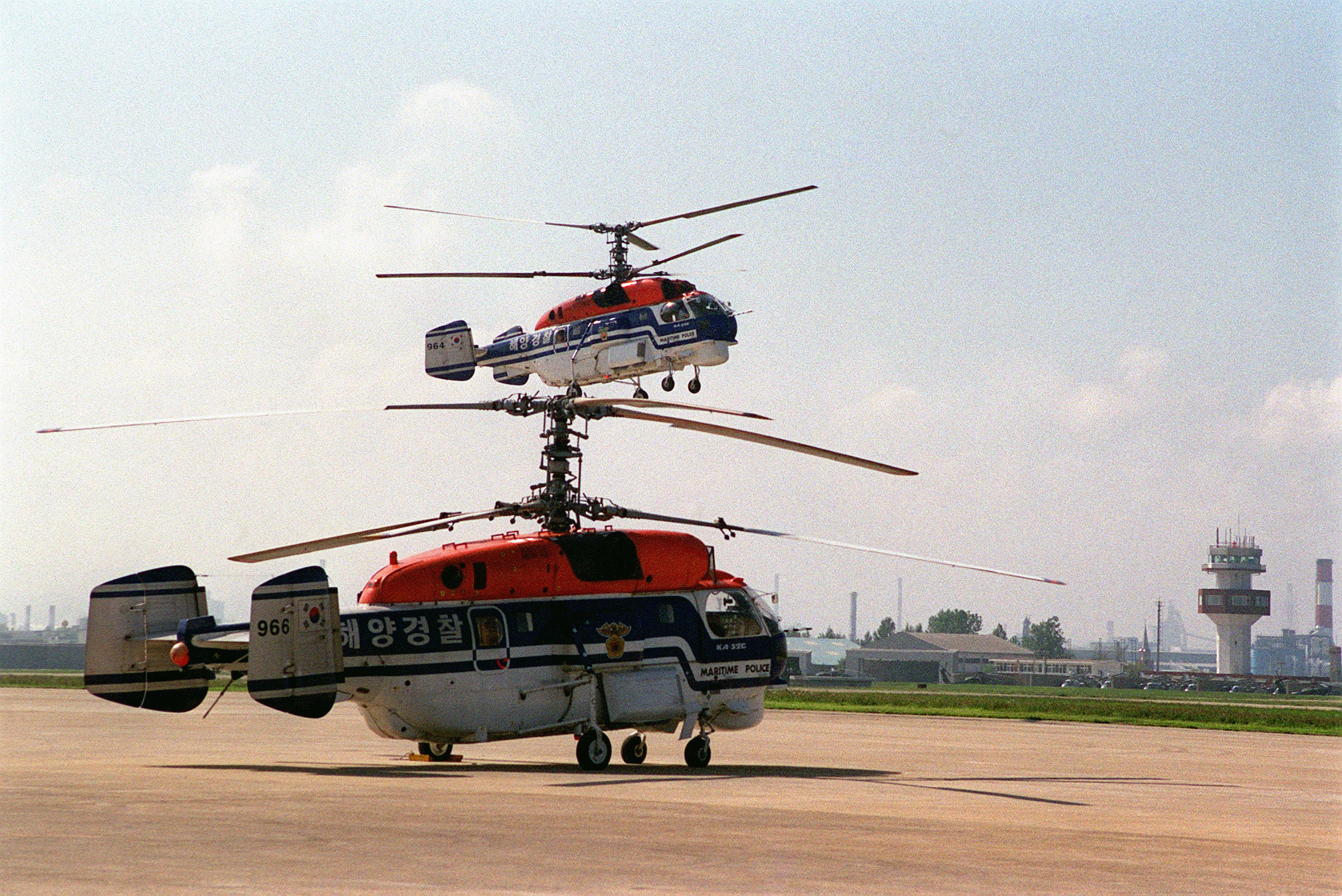
The Ka-32 is a Soviet-designed twin-engine multipurpose helicopter derived from the naval Ka-27.
Its most recognizable feature is Kamov’s coaxial rotor arrangement. Instead of a conventional main rotor and tail rotor, the Ka-32 uses two three-bladed rotors mounted on the same axis and turning in opposite directions.
The layout gives the helicopter excellent stability while hovering, strong maneuverability and precise control while carrying suspended loads—characteristics particularly useful in mountains, dense urban areas and other confined environments.
Depending on configuration, the Ka-32 can transport approximately 3.7 metric tons inside its cabin or carry up to 5 metric tons externally. Maximum takeoff weight with an external load is around 12.7 metric tons.
Those capabilities have allowed operators to use the aircraft for everything from search-and-rescue and medical evacuation to logging, construction, cargo transport and work in difficult-to-access terrain.
But perhaps nowhere has the Ka-32 found a more important civilian role than firefighting.
With external firefighting systems capable of carrying thousands of liters of water, the aircraft can repeatedly collect water and make highly controlled drops onto fires. Its lifting capacity and stable hover make it especially useful in South Korea’s mountainous, heavily forested terrain.
The Korea Forest Service has consequently made the Ka-32 one of the backbone aircraft of its wildfire response fleet. It operates 29 of them.
How South Korea ended up with such a large Russian helicopter fleet stretches back more than three decades.
In 1991, Seoul extended approximately $1.47 billion in loans to the Soviet Union. After the USSR collapsed, Russia lacked the cash needed to repay the debt.
The eventual solution was unusual: Moscow would repay part of what it owed with equipment.
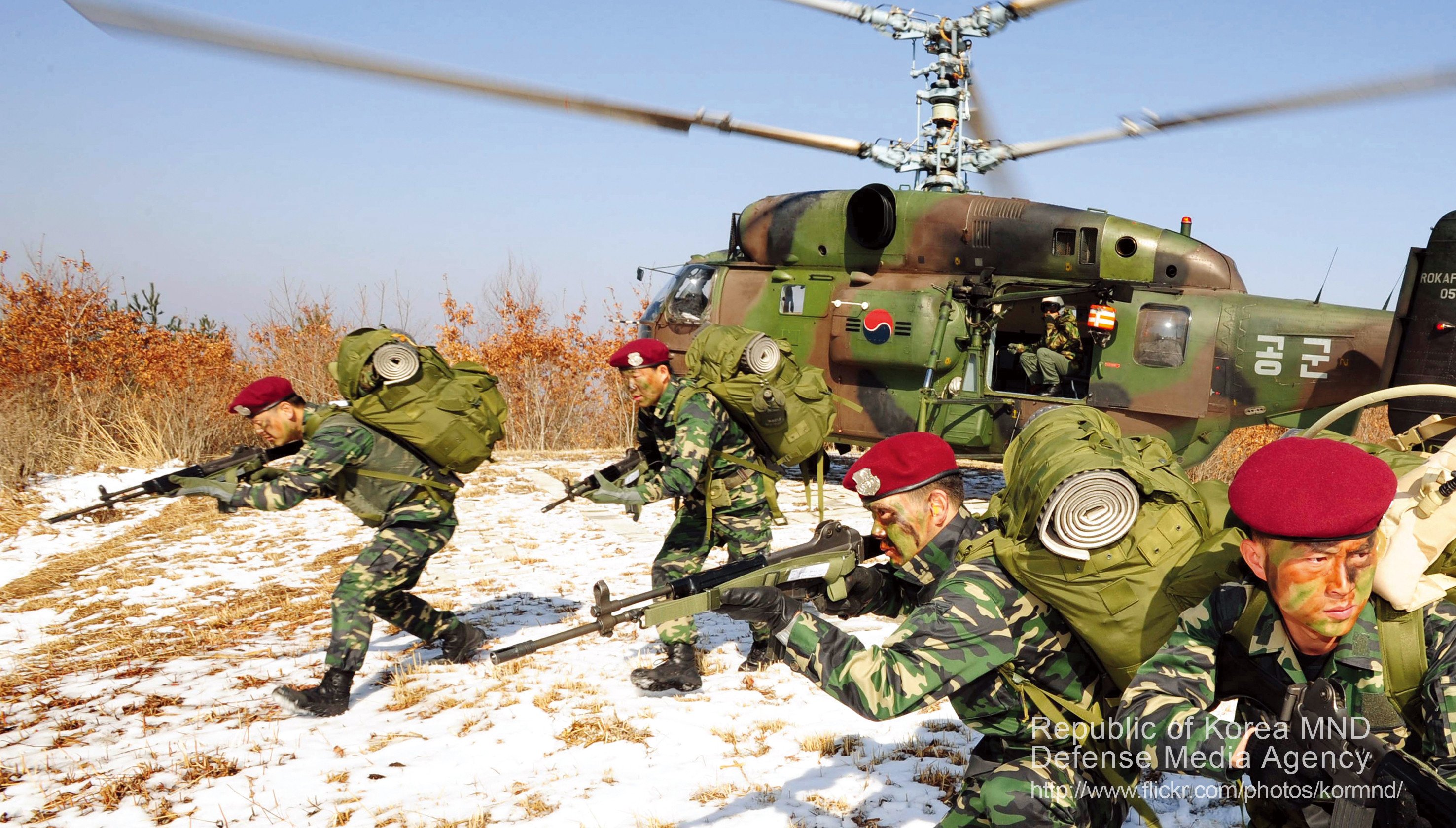
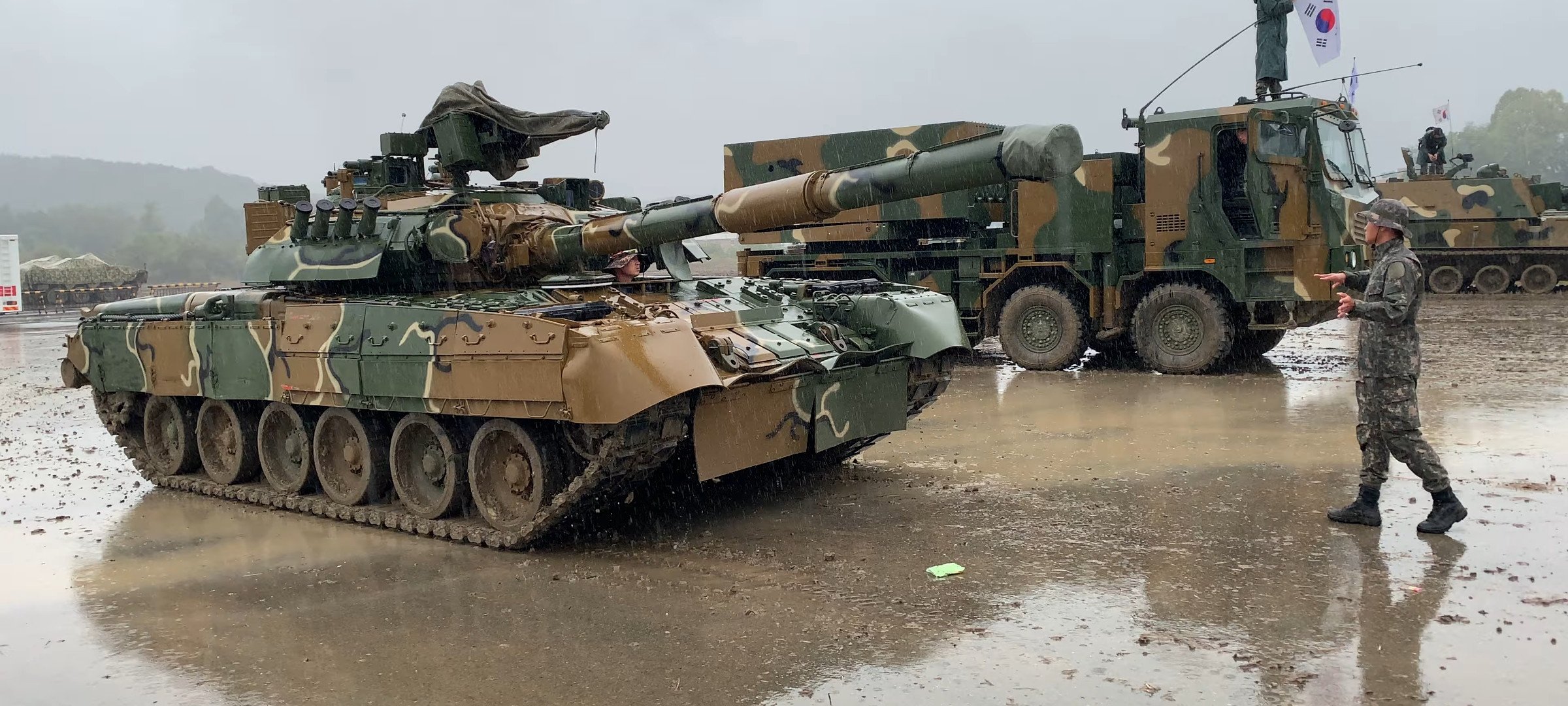
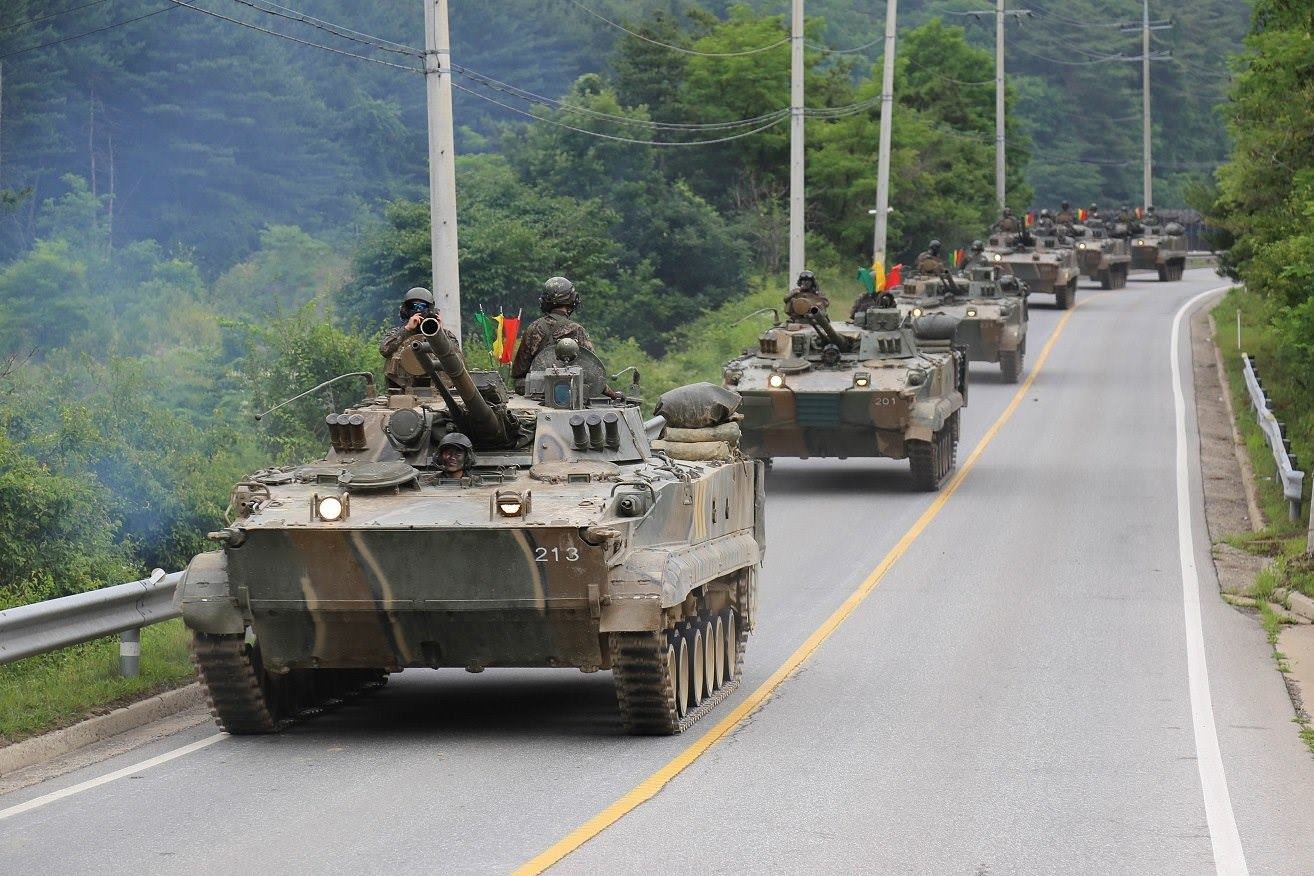
Under the intergovernmental arrangement that became known as the Brown Bear Project, South Korea received Russian weapons and military hardware in several stages throughout the 1990s and 2000s.
The deliveries included T-80U tanks, BMP-3 infantry fighting vehicles, Metis-M anti-tank systems and Igla portable air defense systems—an extraordinary inventory for a close US ally whose armed forces were otherwise built largely around Western equipment.
Helicopters became part of the relationship as well.
Ka-32 deliveries began in 1993, initially through LG International. Aviation reference data cited by Dallas Analytics indicate that 36 helicopters arrived between 1993 and 2000 for operators including the Korea Forest Service, maritime authorities and regional firefighting organizations.
The fleet continued expanding afterward with newer Ka-32A11BC aircraft.
Estimates vary, but Dallas Analytics notes that South Korea became the largest Ka-32 operator outside Russia, with some figures putting the broader national fleet at more than 60 aircraft across military, government and commercial users. Seven have been reported in service with the South Korean Air Force.
An aircraft that originally arrived partly as repayment for a failed Soviet loan had, by then, become embedded in South Korea’s emergency-response infrastructure.
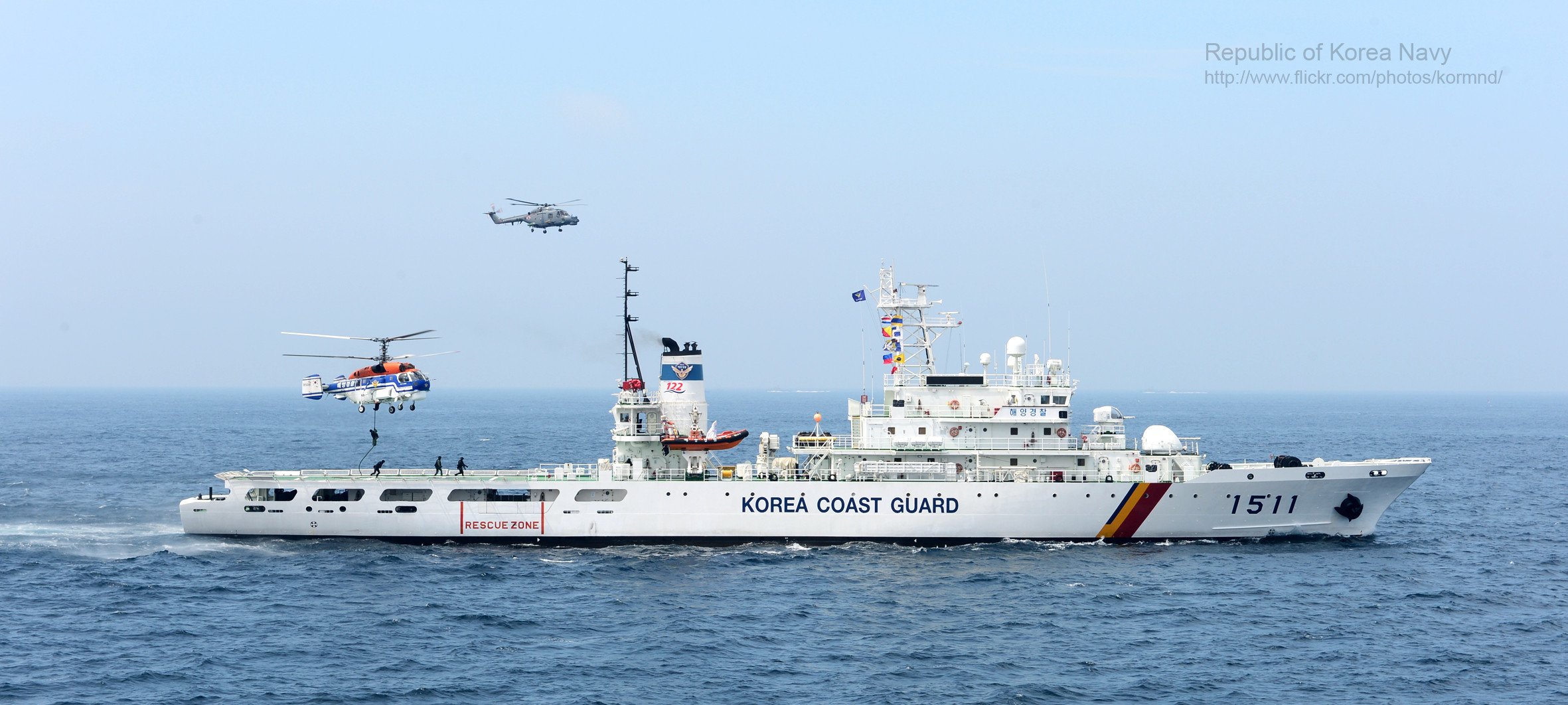
Decades later, that dependence became a problem.
After Russia launched its full-scale invasion of Ukraine, normal access to Russian components and technical support deteriorated sharply.
Without a reliable flow of spare parts, older Ka-32s increasingly became difficult to maintain. Some of the aircraft are now more than 30 years old.
The Korea Forest Service still depends heavily on the type, yet maintenance problems have already forced parts of the fleet out of service. The disruption became particularly visible during South Korea’s wildfire emergencies, when grounded helicopters reduced the number available for firefighting.
What had once been an inexpensive solution to Soviet debt had become a long-term maintenance dependency on Russia.
Dallas Analytics finds a letter pointing back to Russia
It is inside that maintenance crisis that Dallas Analytics identified what it describes as a possible route back into Russia’s aerospace sector.
The investigation obtained HeliKorea letter No. HKL25-118, dated December 1, 2025.
Addressed to Alexander Shpakov, CEO of Russia’s 322 Aircraft Repair Plant in Vozdvizhenka, Primorsky Krai, the letter said a HeliKorea delegation planned to visit Russia between December 15 and December 19.
According to the document reviewed by Dallas Analytics, the company wanted to meet representatives of 322 ARZ and other Russian partners to discuss issues facing the South Korean market and possibilities for future business cooperation.
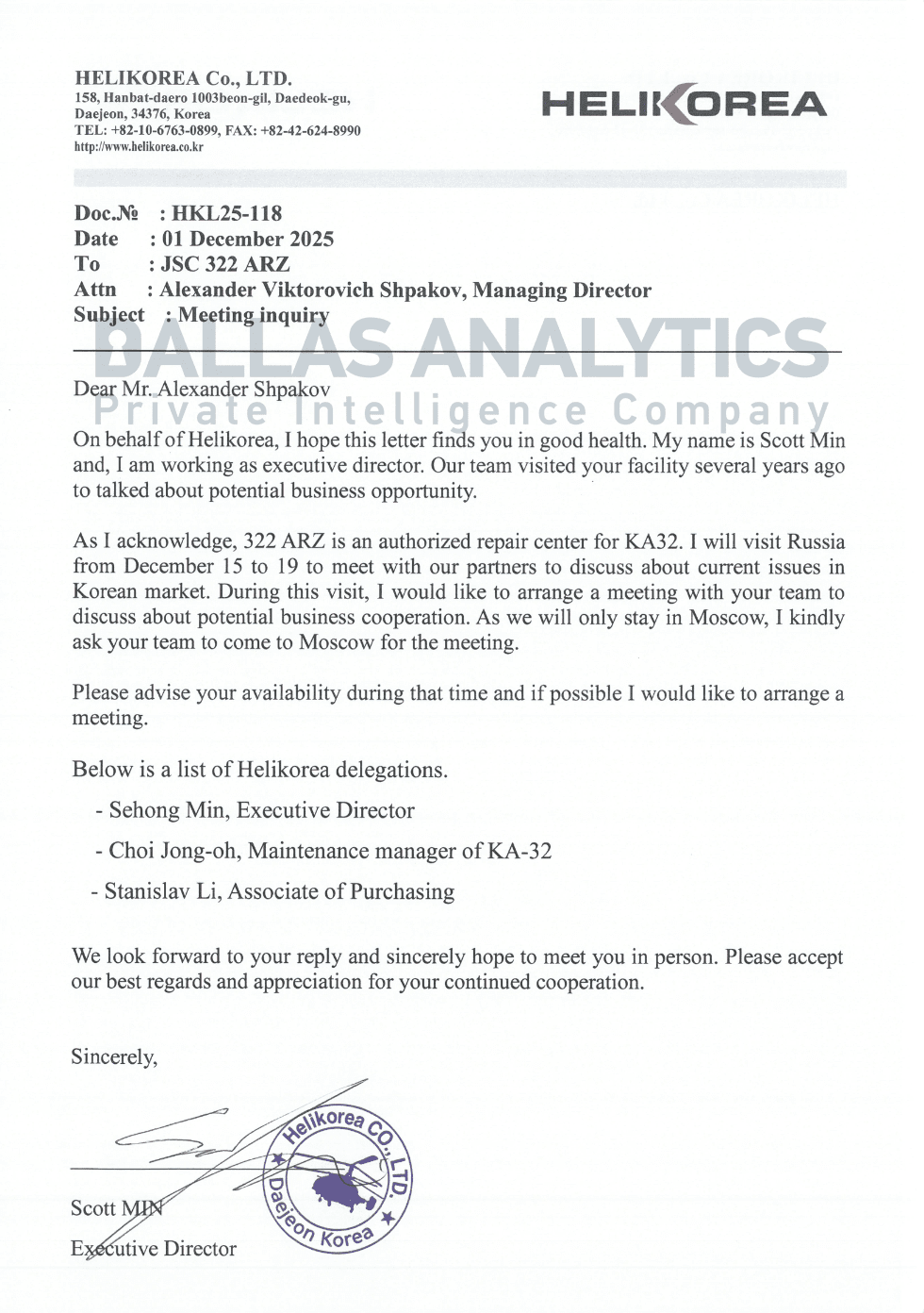
HeliKorea identified 322 ARZ as an authorized Ka-32 repair center.
The proposed delegation consisted of Executive Director Sehong Min, Ka-32 Maintenance Manager Choi Jong-oh, and purchasing associate Stanislav Lee.
But the Russian plant did not simply agree to begin negotiations.
According to correspondence obtained by Dallas Analytics, 322 ARZ told HeliKorea that it lacked authorization to negotiate or conclude agreements directly with foreign customers.
Instead, it directed the South Korean company toward NASC. That referral substantially changes the sanctions dimension of the story.
NASC, formally JSC National Aviation Service Company, is a Russian state intermediary created to provide maintenance, repair, and after-sales support for Russian military aviation equipment exported abroad.
The company has been under US and Canadian sanctions since 2023.
-14ae212cfcc60931832b6c060f391e00.jpg)
It also sits within the orbit of Russian Helicopters, itself part of Rostec—the state-controlled industrial conglomerate deeply embedded in Russia’s defense sector.
In other words, Dallas Analytics found that a South Korean private aviation company seeking continued technical support for its Ka-32s was directed not merely toward another commercial repair contractor, but toward a sanctioned Russian state aviation structure.
Dallas Analytics asked HeliKorea to explain the nature of its commercial interactions with both 322 ARZ and NASC.
The investigators also asked whether HeliKorea conducts counterparty screening or has internal compliance mechanisms intended to ensure that its procurement complies with sanctions and export-control measures imposed by South Korea, the US, the European Union and other allied jurisdictions.
Dallas Analytics then took its questions to South Korea’s Ministry of Trade, Industry and Energy, seeking clarity on how Seoul monitors aviation companies that might use third-country procurement networks to reach sanctioned Russian entities.
The questions covered whether authorities were examining maintenance operators engaging Russian defense intermediaries, what due-diligence requirements were imposed on South Korean companies and how Seoul planned to address Ka-32 parts shortages without pushing operators toward potentially problematic supply chains.
The ministry effectively passed the issue elsewhere.
“We understand that this issue pertains to the import of parts for the maintenance of Ka-32 helicopters, and it is not related to the MOTIR’s export control regulatory framework. Regarding the matter you mentioned, please reach out to the Korea Forest Service (KFS), which is currently managing these helicopters,” the ministry told Dallas Analytics.
For Dallas Analytics, the response exposed a gap in South Korea’s regulatory approach.
The issue is not merely whether a government firefighting agency can find a replacement component for an aging helicopter. Private companies dealing with Russian aerospace entities could also face sanctions exposure, particularly when Russian state corporations and defense-linked intermediaries appear in the supply chain.
By treating the matter primarily as an operational maintenance question for the Korea Forest Service, Dallas Analytics argues, Seoul risks overlooking the broader compliance problem facing private domestic aviation firms.
HeliKorea’s Russian connections did not begin in 2025
The December correspondence was not HeliKorea’s first known contact with Russian aviation companies since the beginning of Russia’s full-scale war against Ukraine.
Dallas Analytics traced the relationship back through Russian aviation reporting, historical maintenance cooperation and customs records.
In March 2023, Russian aviation portal Aviaport reported that a HeliKorea delegation visited the V.I. Luzyanin Hydromash plant in Nizhny Novgorod.
Hydromash is a major Russian producer of aircraft landing gear, hydraulic cylinders and other aviation systems.
Korea Forest Service Kamov Ka-32 (HL9409) dropping water over a factory fire scene in South Korea 💦🚁 pic.twitter.com/ZlwQFd5UhN
— Fahad Naim (@Fahadnaimb) March 31, 2026
The talks focused on repairing Ka-32 landing gear, and the two sides reportedly agreed to begin pre-contract work.
That visit took place more than a year after Russia launched its full-scale invasion. It was also part of a much longer maintenance relationship.
HeliKorea was founded in 1996 and is headquartered in Daejeon, with operational facilities around Seoul and Gimpo and in other parts of the country.
It has grown into one of South Korea’s largest private helicopter companies. Its fleet was estimated at 26 aircraft in 2017.
The company operates across a broad range of sectors, including forest firefighting, forestry, heavy cargo operations, offshore transportation, medical aviation and work for major state-linked enterprises such as Korea National Oil Corporation and Korea Electric Power Corporation.
It also provides helicopter maintenance, repair and overhaul services, training and simulator operations. HeliKorea’s own website states that the company operates seven Russian helicopters.
Dallas Analytics examined aviation registries and other open-source records and found that the company has historically operated at least six separate Ka-32 airframes registered as HL9299, HL9289, HL9401, HL9475, HL9468 and HL9491.
Five were simultaneously associated with its fleet during 2012-2014.
More recent photographic evidence reviewed by Dallas Analytics confirms operations involving at least four aircraft—HL9289, HL9401, HL9475 and HL9672—while the current status of HL9468 remains unclear.
The company’s technical relationship with Russian aviation is equally longstanding.
In 2015, representatives from HeliKorea and South Korean aviation authorities visited Russia’s Aircraft Repair Plant No. 150 as part of continued certification work involving maintenance of Ka-32 engines.
That history indicates HeliKorea developed expertise not simply as an aircraft operator but as a technical servicing company familiar with Russian equipment and its maintenance ecosystem.
Customs records show years of Russian aviation trade
Dallas Analytics also examined customs records covering the first years of Russia’s full-scale war against Ukraine.
According to that analysis, between July 2022 and August 2024 HeliKorea received shipments from five Russian aviation-related enterprises: JSC St. Petersburg Aircraft Repair Company, JSC Ural Civil Aviation Plant, Fly Avia LLC, Russkiy Dom Aviatsii LLC and USB-Avia LLC.
The records point to continued business links with Russia during a period when sanctions targeting Moscow’s aviation and defense industries were steadily tightening.
Dallas Analytics believes HeliKorea may subsequently have looked for suppliers outside the Russian companies directly affected by export restrictions.
-b1b07a8438862bdb9dfd354f60194bee.png)
Customs data reviewed by the investigators show shipments attributed to Ukrainian aircraft-engine manufacturer Motor Sich in 2025.
No additional shipments involving that Ukrainian company appear in the customs databases reviewed by Dallas Analytics after August 2025.
The investigators caution that the absence of later customs records does not by itself establish why the route disappeared, but it could indicate that the supply channel ended.
By December, HeliKorea was again writing directly to a Russian repair plant.
That sequence is one of the reasons Dallas Analytics believes sanctions pressure may have pushed the company back toward Russian suppliers—or toward intermediaries capable of sourcing Russian components.
Dallas Analytics says a source familiar with HeliKorea’s operations subsequently confirmed that the December delegation did travel to Russia and that the company continues sourcing components through third-party intermediaries.
Even so, the investigators are careful about the limits of what the documents establish. They do not have documentary evidence showing the scale or frequency of any current procurement operation.
Nor can Dallas Analytics say that any mechanism involving HeliKorea is being used to maintain Ka-32 helicopters belonging to other South Korean operators.
The available evidence therefore does not support a conclusion that HeliKorea is systematically circumventing sanctions on behalf of South Korea’s entire Ka-32 fleet.
What Dallas Analytics says it has identified is a potential mechanism through which parts linked to sanctioned Russian military-industrial enterprises could continue reaching a South Korean aviation operator.
The unanswered question is how far that mechanism extends.
-036a877e766b7ccdee5cb55aa0645f01.jpg)
Firefighting necessity becomes a strategic liability
The dilemma is particularly difficult because South Korea cannot simply stop using every Ka-32 overnight.
These helicopters perform missions with direct public-safety consequences.
They fight forest fires, carry heavy external loads, conduct rescue operations and operate in difficult terrain where their coaxial design gives them significant advantages.
Replacing dozens of specialized aircraft requires years of procurement, funding, crew conversion, maintenance preparation and infrastructure changes.
Keeping aging Ka-32s flying therefore has obvious operational logic. But keeping them flying through Russian supply chains carries a different cost.
The deeper issue highlighted by Dallas Analytics is whether continued dependence on Russian aviation equipment can be separated from the Russian state industrial system that supports it.
In the case of NASC, Russian Helicopters and Rostec, that line becomes particularly difficult to draw.
And Dallas Analytics argues that the question carries strategic consequences beyond helicopter maintenance.
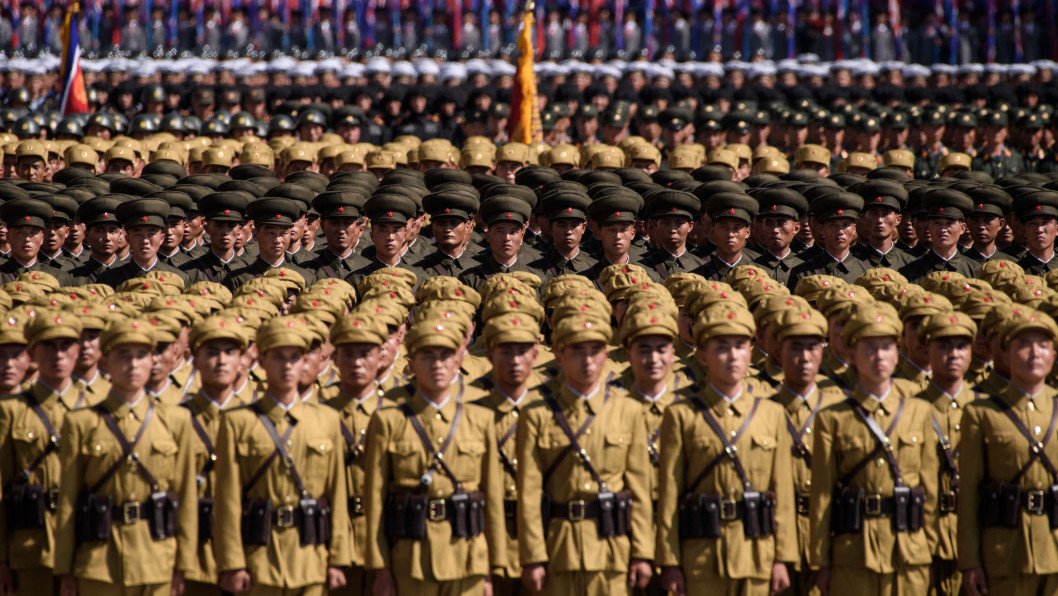
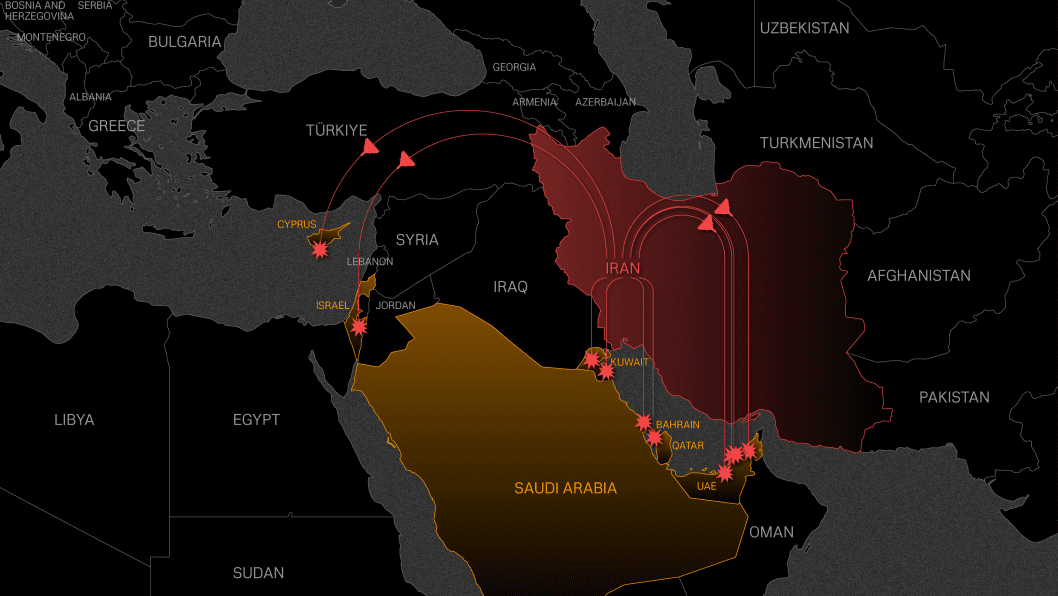
Russia’s war against Ukraine has dramatically deepened military cooperation between Moscow and Pyongyang—Seoul’s principal security threat.
North Korean forces have already acquired experience with modern warfare while serving alongside Russia, including during fighting connected to Ukraine’s operations in Russia’s Kursk region.
Ukrainian intelligence has assessed that approximately 25,000 North Korean personnel have either been deployed to Russia or rotated through Russian military structures.
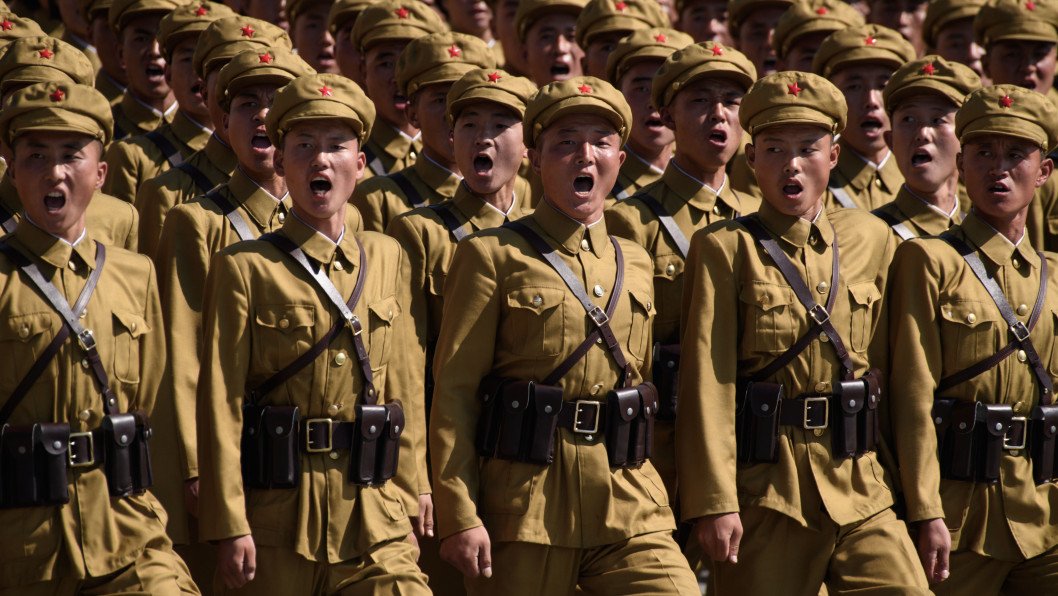
Kyiv has also said Russian leader Vladimir Putin could seek as many as another 50,000 North Korean troops during further talks with North Korean leader Kim Jong Un.
Russia, meanwhile, has received extensive North Korean military assistance, including ammunition, ballistic missiles and personnel.
For South Korea, this creates an uncomfortable strategic loop.
Money and commercial activity that help sustain Russia’s aviation-industrial sector benefit a country that is simultaneously transferring resources, technology, combat experience and political support to North Korea.
Dallas Analytics therefore argues that sanctions workarounds do not ultimately improve South Korean security even when they solve an immediate maintenance problem.
They postpone the unavoidable replacement of an aging Russian helicopter fleet, preserve dependence on Moscow’s aerospace industry and weaken the economic pressure sanctions are intended to impose on Russia.
Discuss this article:
-9a7b3a98ed5c506e0b77a6663f5727c5.png)


-c439b7bd9030ecf9d5a4287dc361ba31.jpg "Photo of Katherina Popilnichenko")