- Category
- World
NATO Unveils “Theory of Victory” to Stop Russian Attack With Drones and Missiles
 Prefer U24 Media on Google
- Authors


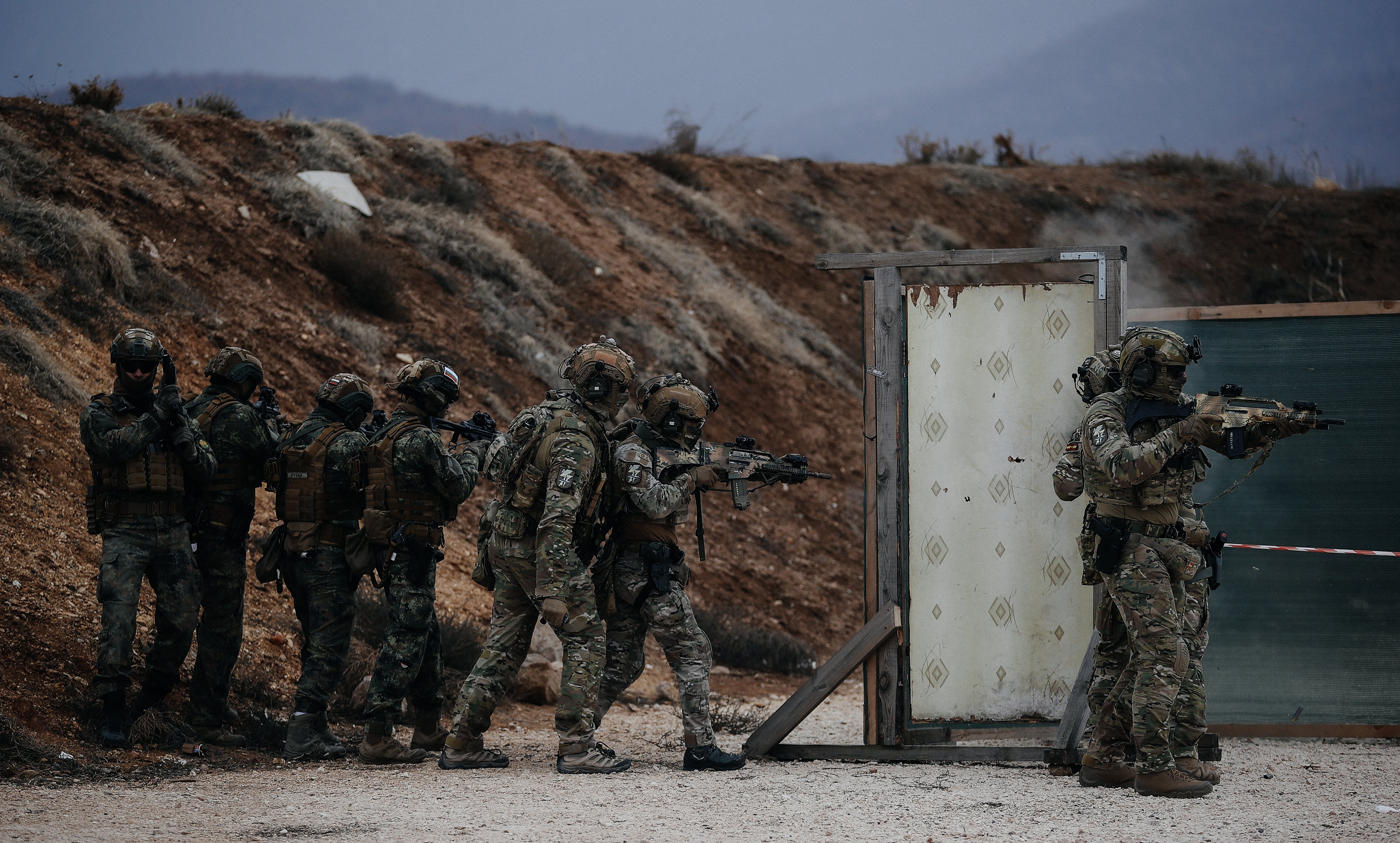
NATO has outlined a new defense strategy, dubbed the “Theory of Victory,,” designed to repel a potential Russian attack by halting its initial offensive, preventing further advances, and systematically weakening enemy forces.
According to The Wall Street Journal on October 12, NATO’s Supreme Allied Commander Europe, General Alexus Grynkewich, presented the strategy during the Warsaw Security Forum, revealing that its classified version had been finalized three months earlier.
We bring you stories from the ground. Your support keeps our team in the field.
Drawing on lessons from Ukraine’s battlefield experience, the strategy prioritizes investment in what Grynkewich called “affordable mass,” focusing on relatively low-cost drones to supplement NATO’s advanced weapons systems, according to the publication.
Under the plan, NATO’s immediate priority in the event of a Russian attack would be to stop the initial assault.
“Enemy formations will be starved of replenishment. Enemy commanders will be unable to control their forces. Enemy forces and support capabilities will be reduced and destroyed,” Grynkewich said.
The NATO commander emphasized that the Alliance’s objective would not be to defeat Russia as a state or undermine its government, but rather to repel any attack against NATO territory.
-345aee9b57d3b345605d3f95fe51cbf3.jpg)
According to The Wall Street Journal, the strategy builds on earlier work by General Chris Donahue, a former commander of US Army forces in Europe and NATO’s Allied Land Command.
The approach is intended to address concerns that Russia’s geographical advantages and extensive defense industry could enable it to launch an offensive against the Baltic states, Poland, or other NATO members before the Alliance could organize a substantial military response.
A central element of the strategy involves establishing a large autonomous zone in which unmanned aerial vehicles and ground-based robotic systems would be deployed to disrupt and suppress Russian attacks while minimizing casualties among allied forces.
-fc8593a00d3d49aacdbbd60899989579.jpg)
At the same time, NATO would use long-range missiles to strike Russian command centers and air defense systems in the Kaliningrad exclave, near St. Petersburg, and in Belarus. According to The Wall Street Journal, these operations would aim to weaken Russia’s ability to control the airspace, creating conditions for the US Army’s V Corps and other NATO ground forces to launch counterattacks.
NATO air forces would also move rapidly to target Russian reinforcements approaching the battlefield and strike additional military assets behind enemy lines.
The operations would be supported by a secure information-sharing network known as a “data backbone,” allowing NATO forces to exchange classified targeting data almost instantaneously through a cloud-based system. According to reports, components of the network have already been tested in the Middle East during the US war with Iran.
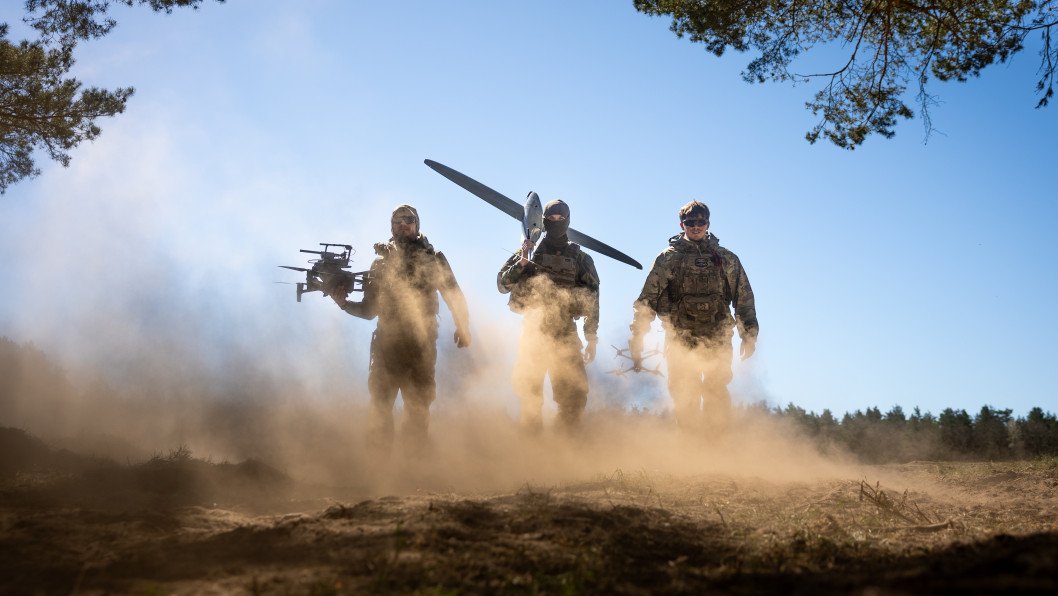
The broader concept, known as the Eastern Flank Deterrence Initiative, is intended to strengthen NATO’s ability to respond rapidly to potential Russian aggression.
According to US military officials cited by The Wall Street Journal, the initiative ultimately aims to deter Russian leader Vladimir Putin from launching an attack against the Alliance.
The strategy also reflects NATO’s broader shift toward integrating emerging technologies into military operations, particularly those that have demonstrated their effectiveness on Ukraine’s battlefield.
On August 12, Bild reported that NATO was increasingly prioritizing drones, satellite technology, advanced sensors, and artificial intelligence as part of its efforts to modernize its military capabilities.
The move toward greater automation draws on Ukraine’s experience deploying AI-powered drone swarms capable of identifying targets, coordinating their movements, and conducting strikes autonomously, even when Russian electronic warfare disrupts communication with human operators.
Discuss this article:
-9a7b3a98ed5c506e0b77a6663f5727c5.png)





-c439b7bd9030ecf9d5a4287dc361ba31.jpg "Photo of Katherina Popilnichenko")