- Category
- Opinion
Why Europe Can’t Really Rearm Without Ukraine’s Experience
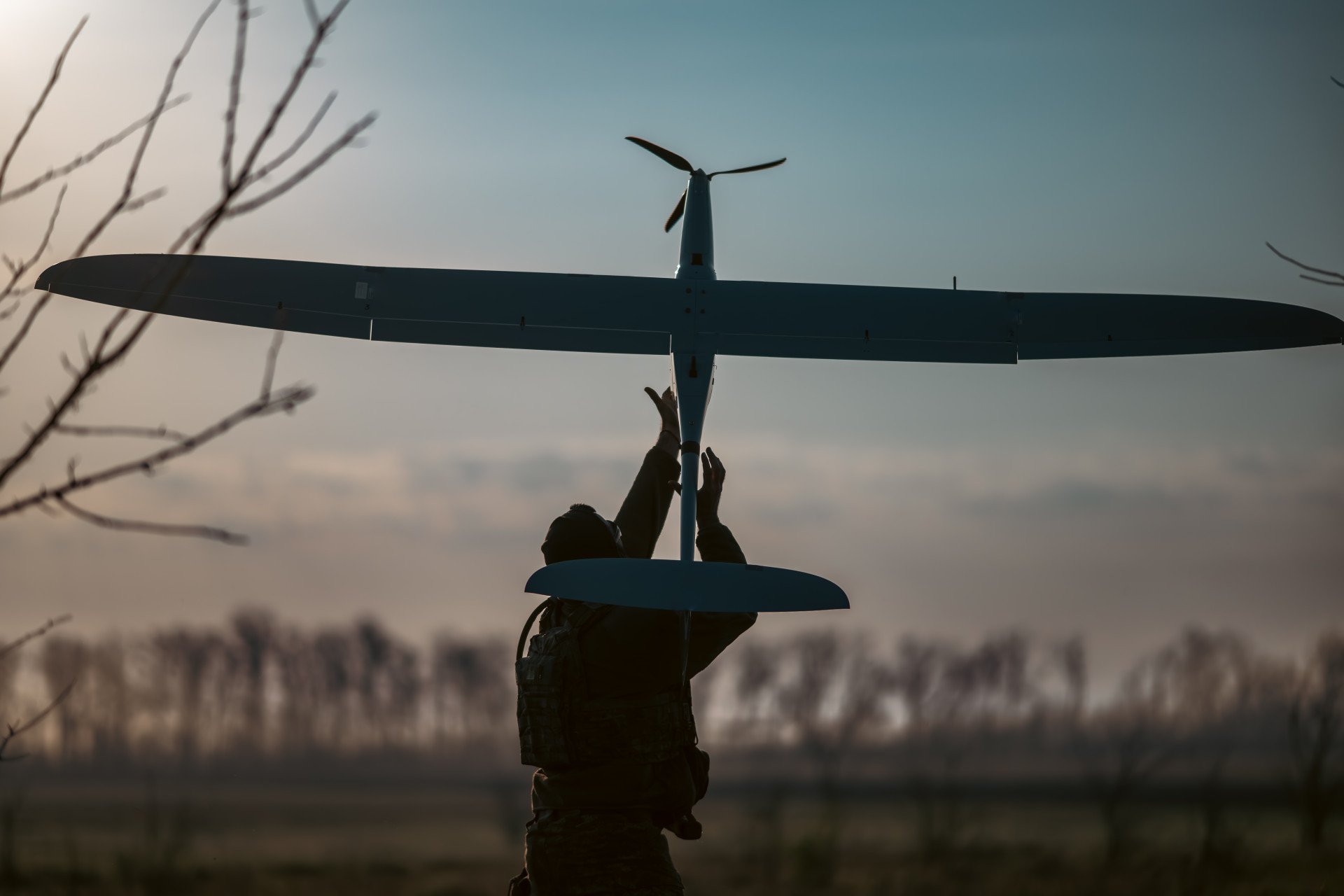
Europe is rearming at a pace not seen in decades, but while billions flow into legacy systems, the battlefield in Ukraine has already rewritten the rules.
 Prefer U24 Media on Google
- Authors


Unmanned aerial systems (UAVs), or drones, have become a defining feature of the war in Ukraine, central to both Russian offensive operations and Ukrainian defensive efforts.
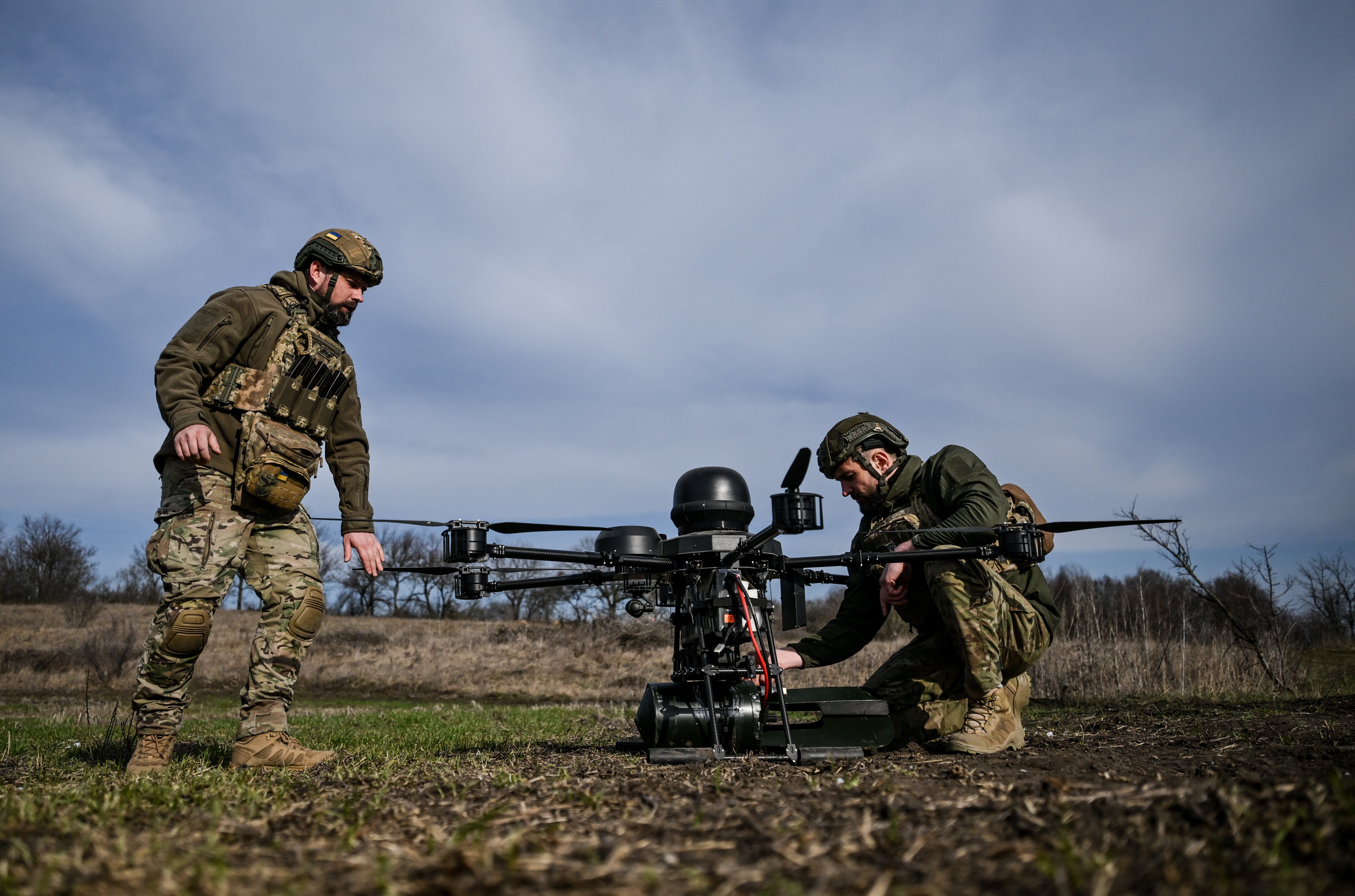
Ukraine’s defense ecosystem has expanded at extraordinary speed, growing from fewer than 10 defense companies in 2022 to around 1,500 in 2025, including roughly 500 firms focused on aerial systems. On the Brave1 Market, part of Ukraine’s government-backed defence-tech platform connecting innovators, procurement agencies, and end-users, UAVs account for 46.9% of listed products, ahead of components and electronic warfare systems. The estimated annual UAV production rose from 2,000 units in 2022 to 4 million in 2025, with a planned production of over 7 million drones in 2026 (Snake Island Institute, 2026).
Three facts you need to know about the new Brave1 & NATO joint grant program for C-UAS solutions:
— BRAVE1 (@BRAVE1ua) March 25, 2026
🥇It's a first-ever joint NATO-Ukraine program focused on scaling prototyped and tested innovative technologies to boost interoperability.
🤝The program features unique… pic.twitter.com/0uiTP80i7l
With several Ukrainian drone manufacturers already operating at nine-figure scale and the sector continuing to expand rapidly into 2025-26, Ukraine’s drone industry is no longer a niche wartime capability but a high-throughput defense-industrial base.
Counter-drone warfare
UAVs have become the asymmetric warfare tools par excellence, and military superiority in future wars will be determined by the ability to counter them. Through four years of adapting to Iranian-made and Russian-enhanced Shahed-type drones, Ukraine has become the world’s most experienced actor in countering unmanned systems. As similar threats now confront the US and its partners in the Middle East, a growing number of states are turning to Ukraine for battlefield-tested, cheaper, and more adaptive air defence solutions.
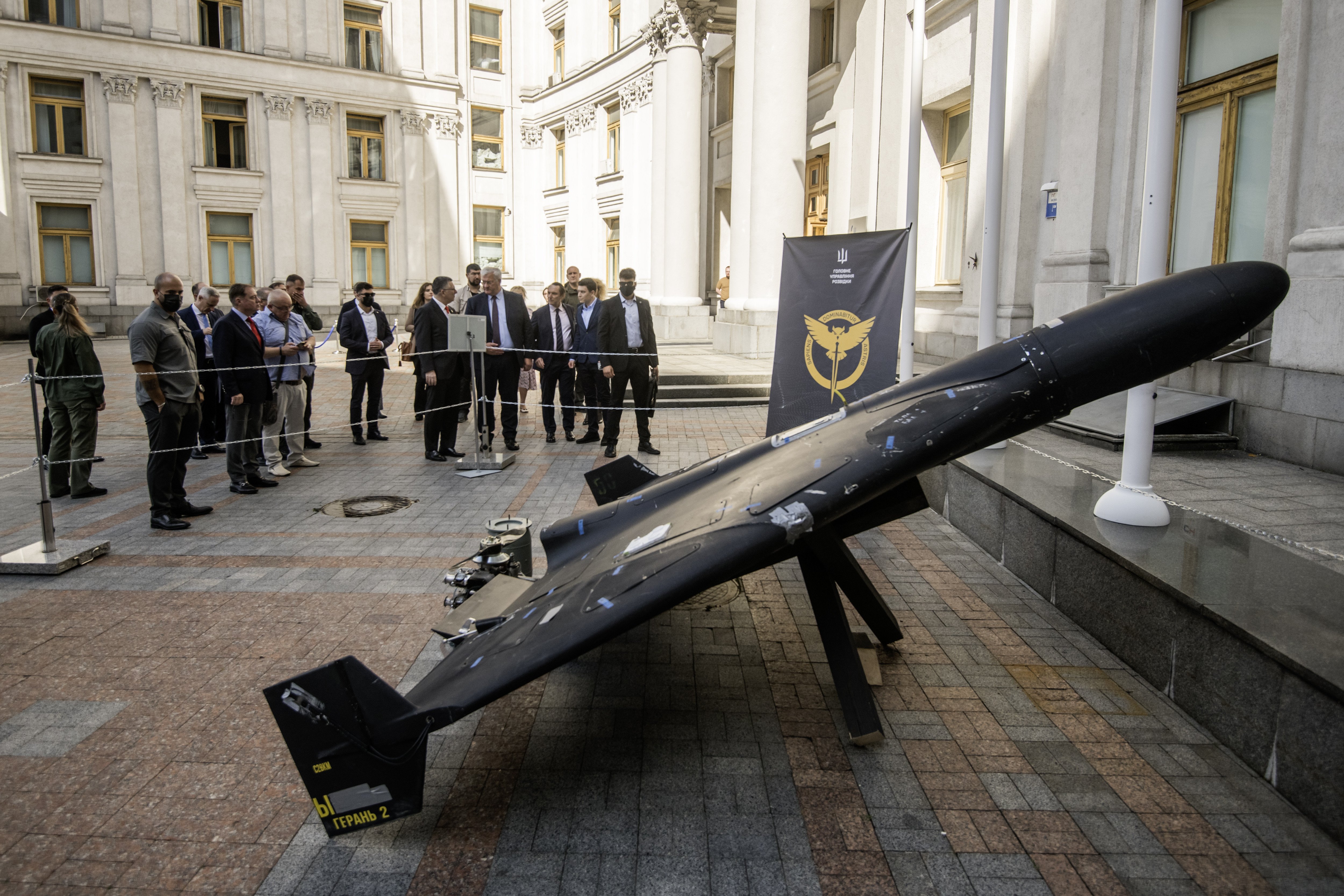
Ukraine sent over 200 air defence experts to the region, and Ukrainian President Zelenskyy is negotiating air defence agreements with Saudi Arabia, Qatar, and the United Arab Emirates. For Europe, the implication is straightforward: the continent cannot afford to rearm while sidelining the only country already operating at the speed and scale the new threat environment demands.
While drones (and to some extent counter-drone systems) are cheaper and often more effective, most Western nations’ current defence industrial bases—and certainly all European NATO Allies’—are not structured for, nor are they capable of, mass drone production. That is largely because investment remains tied to legacy systems. There is tension appearing between traditional security and defence manufacturers, whose models have changed little, and the realities of emerging and future digital warfare. This tension is likely to grow rapidly.
Misaligned rearmament
As European NATO Allies and EU member states rearm at levels not seen since the Cold War, the key question is no longer whether Europe is spending more, but whether it is spending in line with the changing character of warfare. Germany offers a telling example: Wolff et al. (2026) show that 95% of the Bundeswehr’s €100 billion ($114 billion) Special Fund was allocated to uses other than autonomous systems, data centres, and satellites, with close to 90% going to traditional crewed platforms and only 4% to autonomous systems and related digital capabilities.
This strategic misalignment is compounded by the fragmentation of Europe’s defense market, which continues to stunt scale, innovation, and efficiency. European NATO Allies spent an estimated $530 billion on defense in 2025, according to the 2025 NATO Secretary General’s Annual Report (March 2026), making Europe the world’s second-largest defense spender and placing it well ahead of Russia.
We bring you stories from the ground. Your support keeps our team in the field.
Europe’s weakness is not so much a lack of money, but the way that money is dispersed across fragmented national markets. If Europe continues to spend within its current fragmented architecture, even today’s historically high defence budgets will remain insufficient. If Europe were able to integrate its 27 defence markets, pool demand, and scale production, however, the current level of spending would go much further and allow Europe both to sustain necessary legacy capabilities and invest seriously in emerging and unmanned technologies.
The center of European rearmament
Europe cannot rearm effectively while treating Ukraine only as a beneficiary of support. Ukraine is a net contributor to European security, and the EU must place it at the centre of its own defence adaptation, as a co-designer of future procurement, innovation, and industrial strategy. That means moving beyond generic calls to “learn from Ukraine” and embedding Ukraine in the systems through which Europe will actually rearm.
1. Ukraine should move from recipient to co-designer
Europe should not consult Ukraine episodically, after strategic choices have already been made. It should bring Ukraine into the design of standards, procurement logic, testing ecosystems, and industrial planning from the outset. Ukraine’s combat-hardened experience must become the operational benchmark for modern warfare. This requires structured EU-Ukraine co-design of standards, faster inclusion of Ukrainian defence companies and industrial bodies in European programmes, and a more deliberate effort to treat Ukrainian operational knowledge as a strategic asset.
2. European rearmament is a market integration problem
Europe needs not so much more money as much as a defence market that can spend existing resources more coherently. Only around 1% of defence transactions are conducted under the EU’s Defence Procurement Directive, a stark reminder of how limited the Europeanisation of defence procurement remains in practice. In this context, SAFE should not be understood merely as a €150 billion ($172 billion) financing instrument. Its real significance lies in its political purpose: to encourage common procurement, aggregate demand, and push member states towards a more integrated European defence market. Integrating Ukrainian firms, expertise, and operational lessons into joint procurement and industrial planning is a precondition for making European rearmament more adaptive, scalable, and fit for the wars of the future.
3. Europe is still rearming for the last war
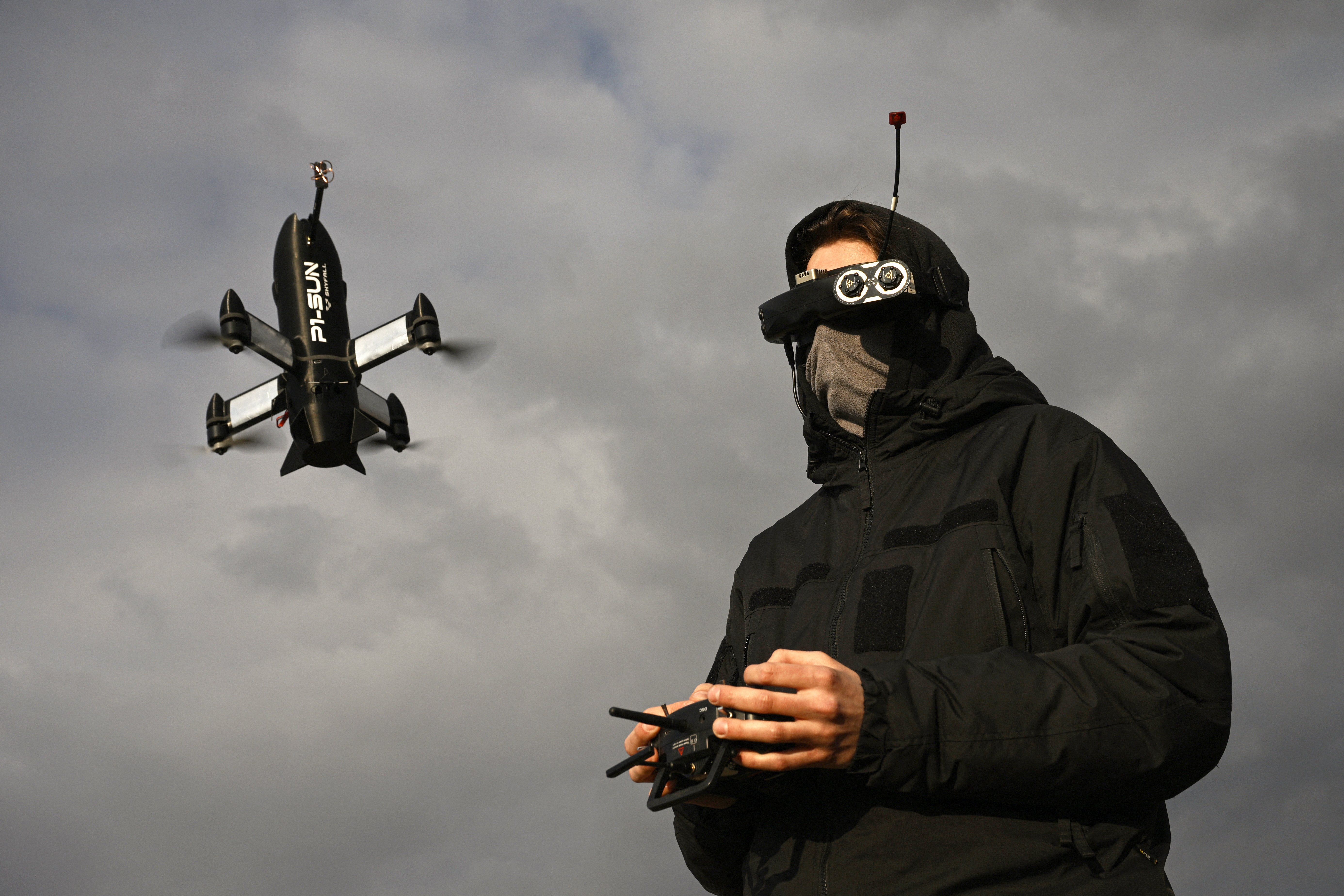
There is a stark contrast between Europe’s continued attraction to exquisite, high-end platforms and Ukraine’s demonstrated preference for systems that are affordable, mass-produced, and iteratively improved. Europe still treats drones too much like Rolls-Royces, when many should be treated more like rifles, available in volume and good enough to be fielded quickly. That does not mean abandoning sophisticated systems. It means accepting a dual-track model in which low-cost mass capabilities and higher-end systems are developed in parallel. Europe will not regain deterrence by relying on legacy platforms alone.
4. Testing is the missing link in European rearmament
A core lesson from Ukraine is not only what to buy, but how to test, adapt, and field capabilities at wartime speed. Europe lacks battlefield-like environments in which systems can be tested under realistic conditions and improved through continuous feedback. Ukraine has built exactly this kind of ecosystem out of sheer necessity, where operational value trumps technical compliance and rapid iteration is normal. Europe, by contrast, remains too risk-averse and makes it too hard to test, too slow to certify, and too burdensome for smaller innovators to enter the defence market. If procurement agility is to mean anything, Europe needs dedicated testing and training ecosystems, closer links between end users and industry, and faster regulatory pathways for upgradeable systems.
5. Europe must put the end-user back at the centre of its procurement strategy
One of the most valuable Ukrainian lessons is that procurement is not just about acquisition, but about keeping a live connection between battlefield needs, feedback, procurement agencies, and industry. Brave1 and other initiatives are important not simply because they fund innovation, but because they shorten the distance between frontline demand and industrial response. Europe still struggles with this. Too much of its procurement culture remains compliance-driven rather than user-driven, and too little attention is paid to whether personnel can actually absorb and operate the systems being acquired. A European rearmament effort that fails to centre the end user will remain too slow, too expensive, and too detached from operational reality.
6. Rearmament must keep the human dimension in view
This is not only a debate about industrial efficiency or technological relevance. It is also about reducing the human cost of war and shielding citizens and critical infrastructure from sustained attack. Ukraine’s frontline experience is relevant not only for military adaptation but also for citizen protection, infrastructure resilience, and a broader whole-of-society understanding of preparedness. Europe must integrate that lesson into its defense planning as deliberately as it integrates industrial lessons.
Scale and a wartime mindset
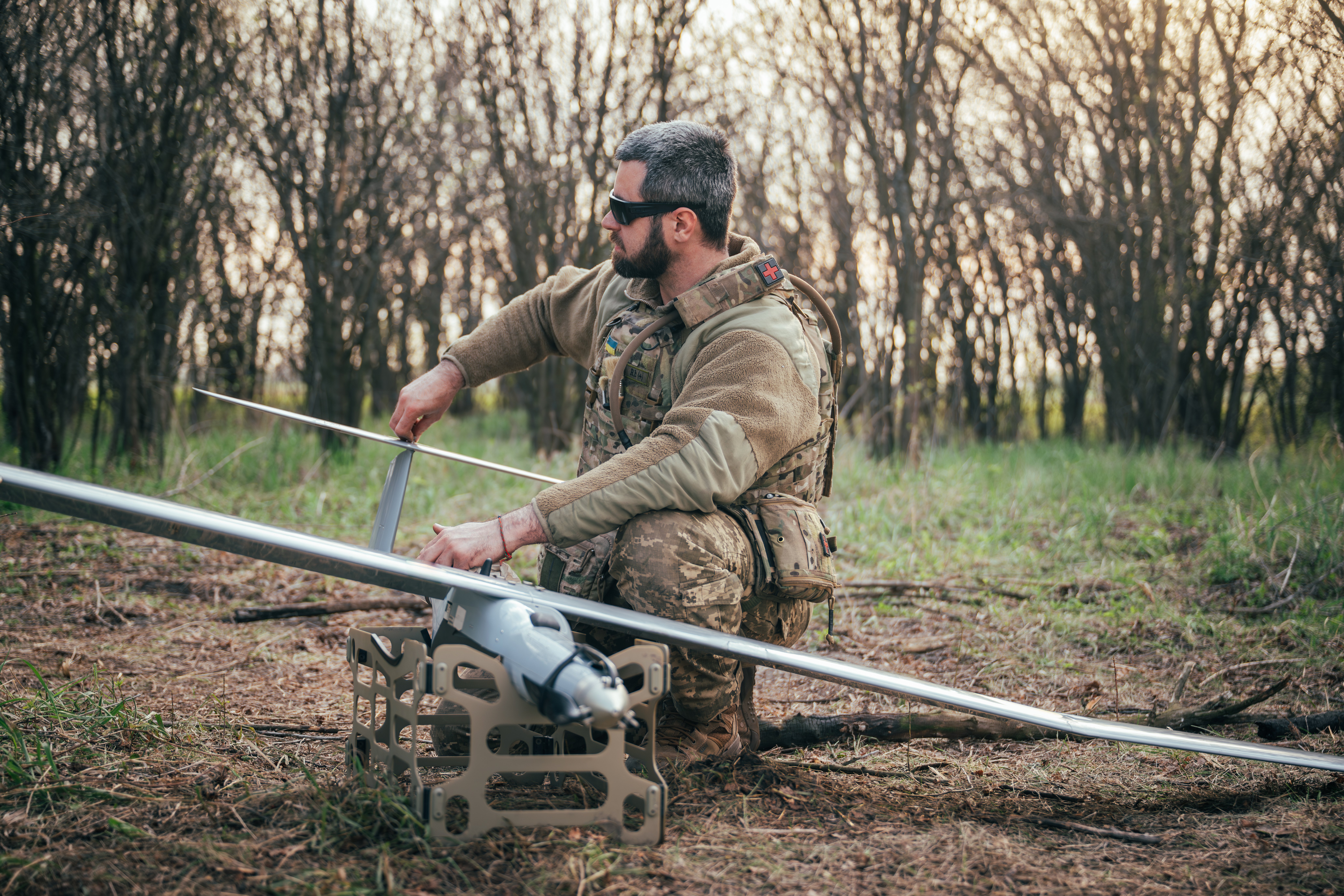
The future of warfare is no longer hypothetical. Ukraine is a world leader in developing drone and counter-drone systems and a major contributor to European security. The EU must place Ukraine at the centre of its defence adaptation, as a co-designer of future procurement, innovation, and industrial strategy. Europe’s peacetime mindset must shift decisively towards wartime logic, changing laws, decision-making habits, and the speed of action. Integrating Ukraine more deeply into European defence structures is therefore not charity, and not even only solidarity. It is how Europe equips itself for the realities of war that are already here.
This article was originally published by Friends of Europe on March 31, 2026.
Friends of Europe is a Brussels-based independent, non-profit think tank focused on EU policy analysis, dialogue, and debate.
Discuss this article:
-4a56a6b482ec132402c16ef6fcabf9a2.png)




-206008aed5f329e86c52788e3e423f23.jpg "Photo of Oleksandr Moiseienko")

-f3430f0449615e9897dff835086ac204.jpg "Ukraine Broke With a Soviet-Era Military System and Rebuilt It Around the Soldier")
-e126c16a85d580738cf2d57e760b80a3.jpeg "Photo of Vladyslav Greziev")