- Category
- World
Irish Presidency Sparks Swift Breakthrough for Ukraine and Moldova EU Integration Goals
 Prefer U24 Media on Google
- Authors

-c439b7bd9030ecf9d5a4287dc361ba31.jpg "Photo of Katherina Popilnichenko")
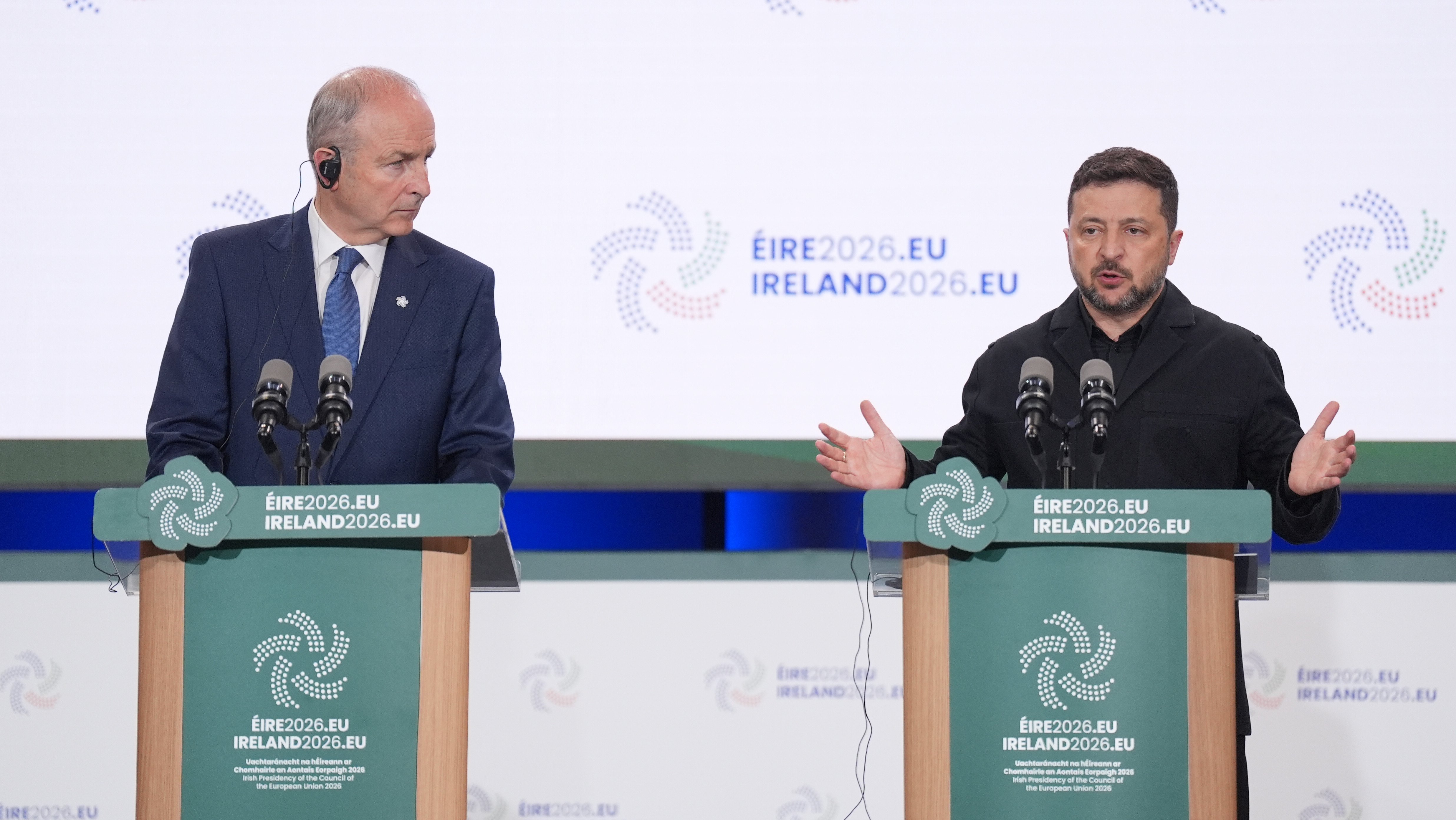
Ukraine and Moldova received approval for their next steps toward joining the bloc during a meeting of EU public servants.
Agreement comes just after Ireland began its six-month presidency of the Council of the EU on July 1, with Irish Prime Minister Micheál Martin emphasizing that advancing EU integration would be a priority, as reported by the Kyiv Independent.
We bring you stories from the ground. Your support keeps our team in the field.
Under this new agreement, Kyiv and Chișinău are invited to submit their negotiating positions for one of the six expansion clusters, specifically the one concerning "external relations."
The "external relations" cluster is considered an easier part of the integration process for both nations. It focuses only on aligning foreign policy and avoids controversial subjects like industrial and agricultural competition with existing EU states.
Once this stage is officially complete, it will mean that Ukraine and Moldova each have two unlocked clusters, following the first cluster that was opened in mid-June despite previous blockages from Hungary.
If Kyiv and Chișinău submit their negotiating positions quickly, EU ambassadors and ministers from all 27 member states must formally agree that both countries are ready. After this step, an official signing ceremony known as an "Intergovernmental Conference" is expected to take place on July 14 to mark the next phase of progress.

According to the European Commission, Ukraine and Moldova have been technically ready to open the remaining four clusters for several months. However, moving forward requires unanimous approval from all EU nations, and several potential challenges remain.
The main obstacle involves concerns over the relative economic strength of Ukraine in specific sectors like agriculture, as the other clusters deal directly with the economic relationship between Kyiv and the EU.
Previously, the European Commission prepared proposals to grant economic benefits to EU candidate countries before full accession, as member states sought ways to accelerate enlargement without lowering membership standards.
This initiative was part of a broader push toward "gradual integration," under which candidate nations would receive expanded access to EU programs and markets in exchange for advancing key reforms during the accession process. Under the proposed framework, candidate states could have accessed specific EU funding instruments, preferential trade agreements, and limited access to the single market before achieving full membership.
Discuss this article:
-4a56a6b482ec132402c16ef6fcabf9a2.png)