- Category
- World
Italy to Allocate Another €1 Million to Strengthen Ukraine Cyber Defense
 Prefer U24 Media on Google
- Authors

-c439b7bd9030ecf9d5a4287dc361ba31.jpg "Photo of Katherina Popilnichenko")
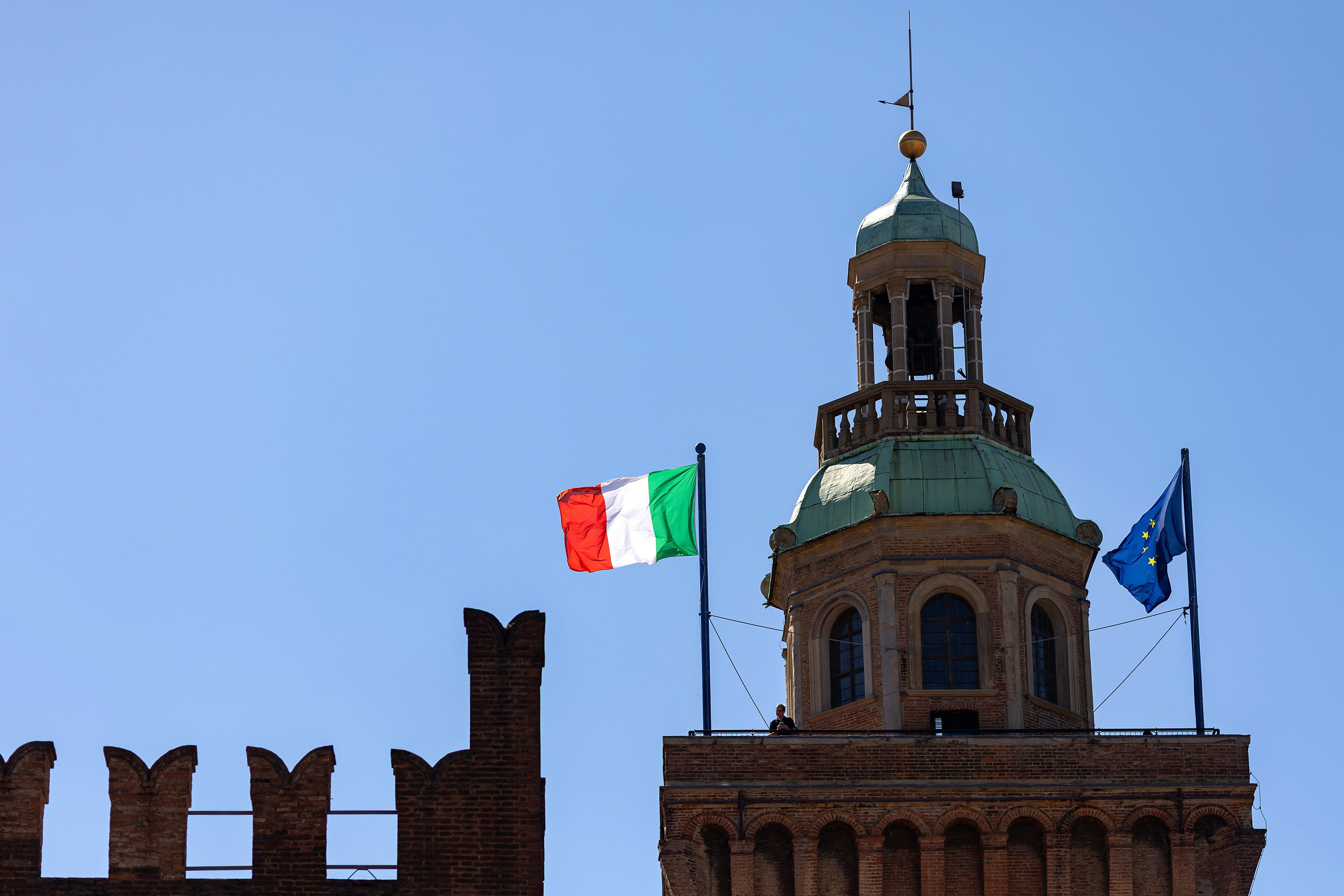
Italy officially assumed leadership of the Tallinn Mechanism from the United Kingdom, pledging an additional €1 million ($1.14 million) over the next 6 months to bolster cybersecurity projects in Ukraine.
This new funding brings Italy's total contribution to the initiative to €2 million (approximately $2.28 million). According to the Ministry of Digital Transformation of Ukraine on July 1, the Tallinn Mechanism brings together 14 partner countries to coordinate international technical assistance, protecting Ukrainian networks from digital threats. The coalition has been systematically building digital defenses for almost 3 years.
We bring you stories from the ground. Your support keeps our team in the field.
Italy has established clear priorities for its 6-month chairmanship to deepen digital cooperation with Ukraine.
The Italian government plans to focus on strengthening the cyber defense of government agencies at national and regional levels, protecting critical infrastructure, developing comprehensive cyber resilience, and advancing the professional training of Ukrainian cybersecurity experts. This structured approach aims to ensure that international support is coordinated effectively.
Vitalii Balashov, Ukraine's Deputy Minister of Digital Transformation for Cybersecurity and Cloud Integration, highlighted the strategic importance of the transition: "Russian cyber aggression against Ukraine is part of Russia’s full-scale invasion of Ukraine and a broader threat to European security. That is why the Tallinn Mechanism is of strategic importance: it transforms international solidarity into concrete capabilities that strengthen the defense of the state, critical infrastructure, and digital services for citizens."
Before passing the leadership to Italy, the United Kingdom financed vital cybersecurity programs for the Ministry of Foreign Affairs, the State Service of Special Communications and Information Protection, and the State Border Guard Service.
Alongside the Netherlands and Czechia, the UK is also implementing the CYFER international technical assistance project, which has already launched 7 separate initiatives within the Tallinn Mechanism.
Italy is already actively funding regional digital projects in Ukraine. The Italian government previously allocated nearly €900,000 ($1.03 million) for 2 cybersecurity projects in the Ternopil region to modernize infrastructure and build a secure network.
Another project with a budget of over €570,000 ($650,000) is starting in the Odesa region to develop a secure system for a regional information and analytical center. Italian partners have also funded an analytical review of the National Cybersecurity System 2025 and supported the Ukrainian youth team at the European Cybersecurity Challenge.
The Tallinn Mechanism was created in December 2023 to unify international cyber assistance for Ukraine. The current member states include the United Kingdom, Denmark, Estonia, Italy, Canada, the Netherlands, Germany, Norway, Poland, the US, Finland, France, Sweden, and Czechia. The European Union, NATO, and the World Bank serve as official observers, while the country leading the initiative rotates every 6 months.
Previously, the Swedish International Development Cooperation Agency (Sida) provided a new aid package as part of the Tallinn Mechanism, an international initiative that coordinated support from partner countries to strengthen cyber resilience, allocating around $14.5 million.
According to Ukraine’s Ministry of Digital Transformation, the funds went toward upgrading IT infrastructure, boosting the security of digital services, and training personnel at key government institutions.
The funding was channeled through ESTDEV, Estonia’s government agency responsible for international development and humanitarian aid, to help ensure the digital state remained operational under wartime conditions.
Discuss this article: