- Category
- World
Latvia Urges EU to Boost Funding for Border Regions Facing Drone Threats
 Prefer U24 Media on Google
- Authors

-c439b7bd9030ecf9d5a4287dc361ba31.jpg "Photo of Katherina Popilnichenko")
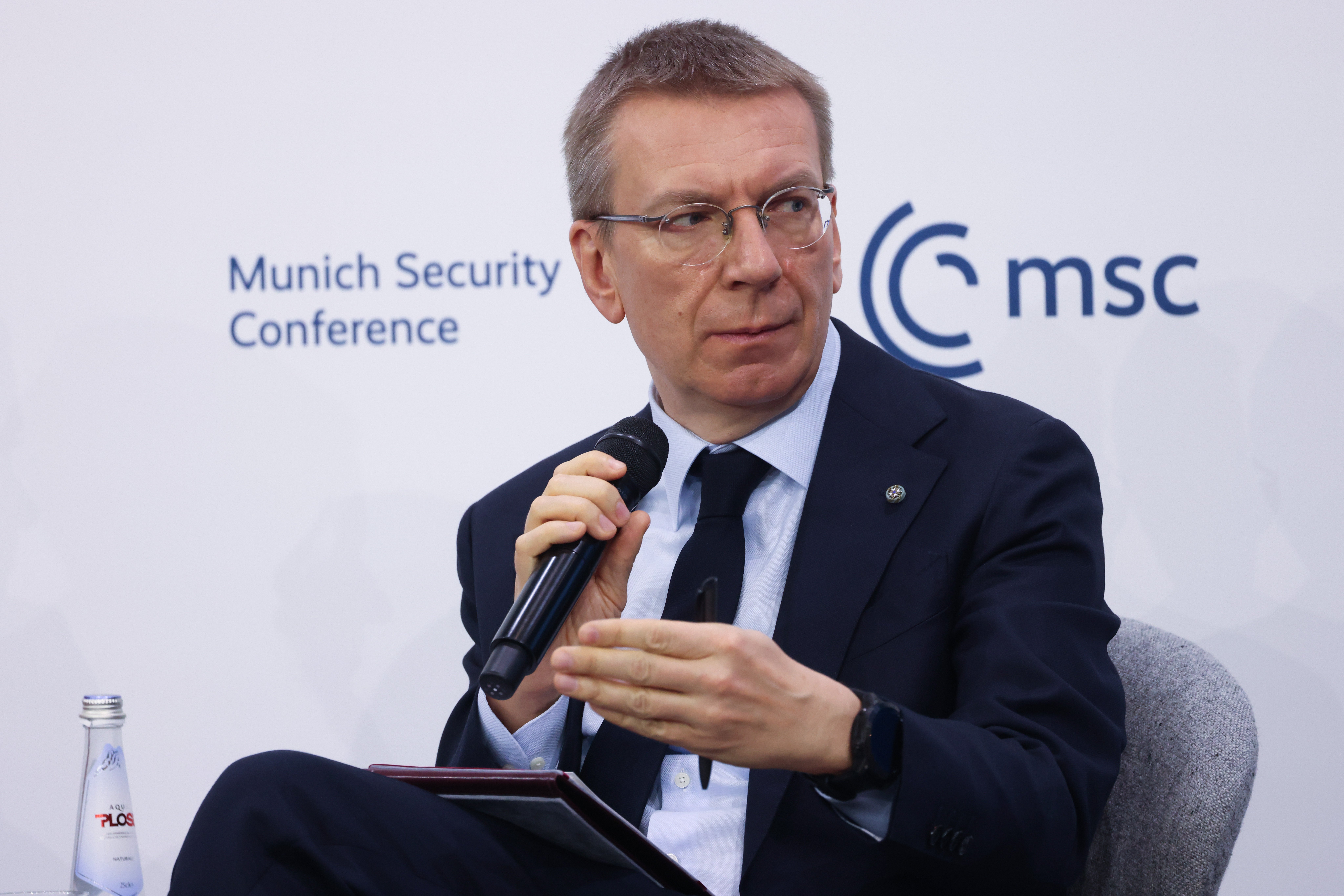
The President of Latvia, Edgars Rinkēvičs, is calling on the European Union to provide additional financial assistance to border regions impacted by drone incursions linked to Russia’s full-scale invasion of Ukraine.
Rinkēvičs emphasized that these security incidents have begun to affect the daily lives of residents, citing recent disruptions to school exams and local business activities in eastern Latvia as clear evidence that civilian and defensive resilience are now deeply connected, according to Euractiv on May 28.
We bring you stories from the ground. Your support keeps our team in the field.
"It affects the local economy, it affects the local population. People are actually scared, and for very good reasons," Rinkēvičs stated.
In response to these challenges, the Latvian president and other Baltic leaders met with European Commission President Ursula von der Leyen in Vilnius.
The delegation urged EU leadership to present concrete proposals for addressing these vulnerabilities. Rinkēvičs explained that the discussion focused on moving beyond traditional defense parameters to incorporate broader, interconnected needs that require EU-level funding.
"This is not just about defense. It is also about slightly broader issues that are interconnected, and where we also discussed possible EU involvement and funding," the president noted.
Reflecting on the geopolitical realities of the region, Rinkēvičs argued that security concerns must play a much larger role in the upcoming EU budget than they did during the 2013 and 2020 negotiations.
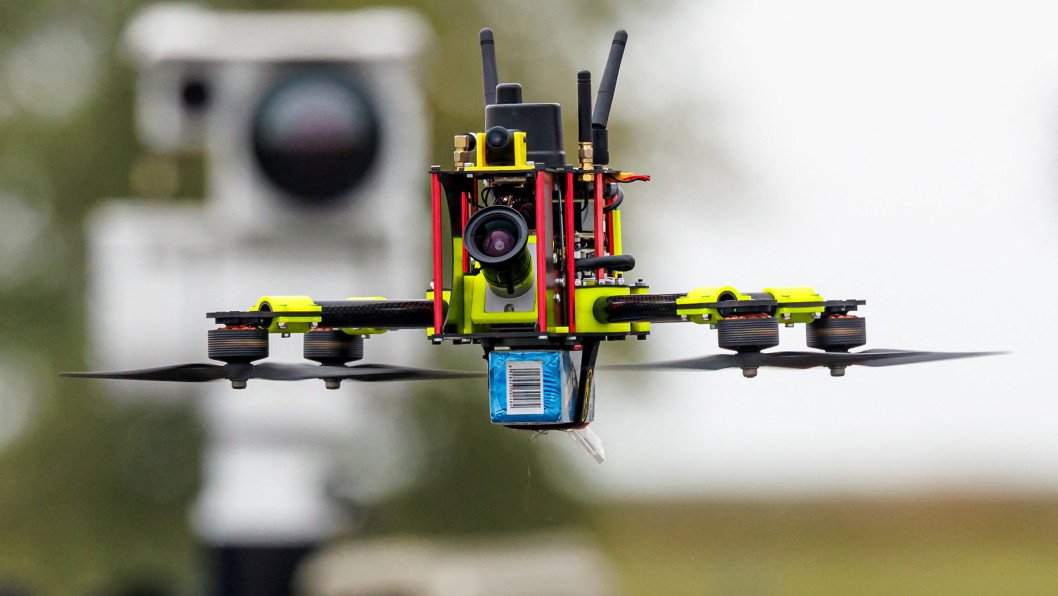
He emphasized that the eastern states require priority support to modernize surveillance, radar coverage, and counter-drone capabilities. While NATO currently conducts air policing missions in the region, the Baltic nations remain concerned about significant gaps in monitoring technology as threats continue to evolve.
"We all acknowledged that defense and security, and also the eastern regions, need to be treated much more seriously," he said.
The president highlighted that the rapid advancement of military technology necessitates a more agile approach to procurement, operational planning, and capability targets. He warned that static strategies are no longer sufficient to maintain regional safety.
"What was an effective way of fighting drones a year ago is not anymore today," Rinkēvičs observed, advocating for greater flexibility in how governments and alliances adapt to current threats.

Following these incidents, the Baltic states have also sought to leverage Ukraine’s expertise in building civil protection infrastructure. The urgency of the situation was underscored by the recent visit of Ursula von der Leyen and Defense Commissioner Andrius Kubilius to Lithuania, where they consulted with regional leaders on the evolving security landscape.
Following the recent call for the European Union to bolster regional security against aerial threats, the bloc solidified its commitment to stability by authorizing a significant financial package to support Ukraine.
The European Union approved a two-year, $97.2 billion support package for Ukraine in late April 2026, with the initial $48.6 billion designated for 2026 defense and budgetary needs. This funding was intended to strengthen Ukraine's resilience during Russia’s full-scale invasion of Ukraine, specifically by supporting critical infrastructure and social spending ahead of the winter season.
Furthermore, the financial assistance enabled Ukraine to place record orders for essential weaponry, including PAC-3 missiles for Patriot systems, while simultaneously bolstering the domestic production of interceptor drones to counter aerial threats.
Discuss this article:




-72b63a4e0c8c475ad81fe3eed3f63729.jpeg "Photo of Cyril Barabaltchouk")