- Category
- World
Moscow Allocates $2.15 Billion for Disinformation Campaigns Against the West
 Prefer U24 Media on Google
- Authors

-c439b7bd9030ecf9d5a4287dc361ba31.jpg "Photo of Katherina Popilnichenko")
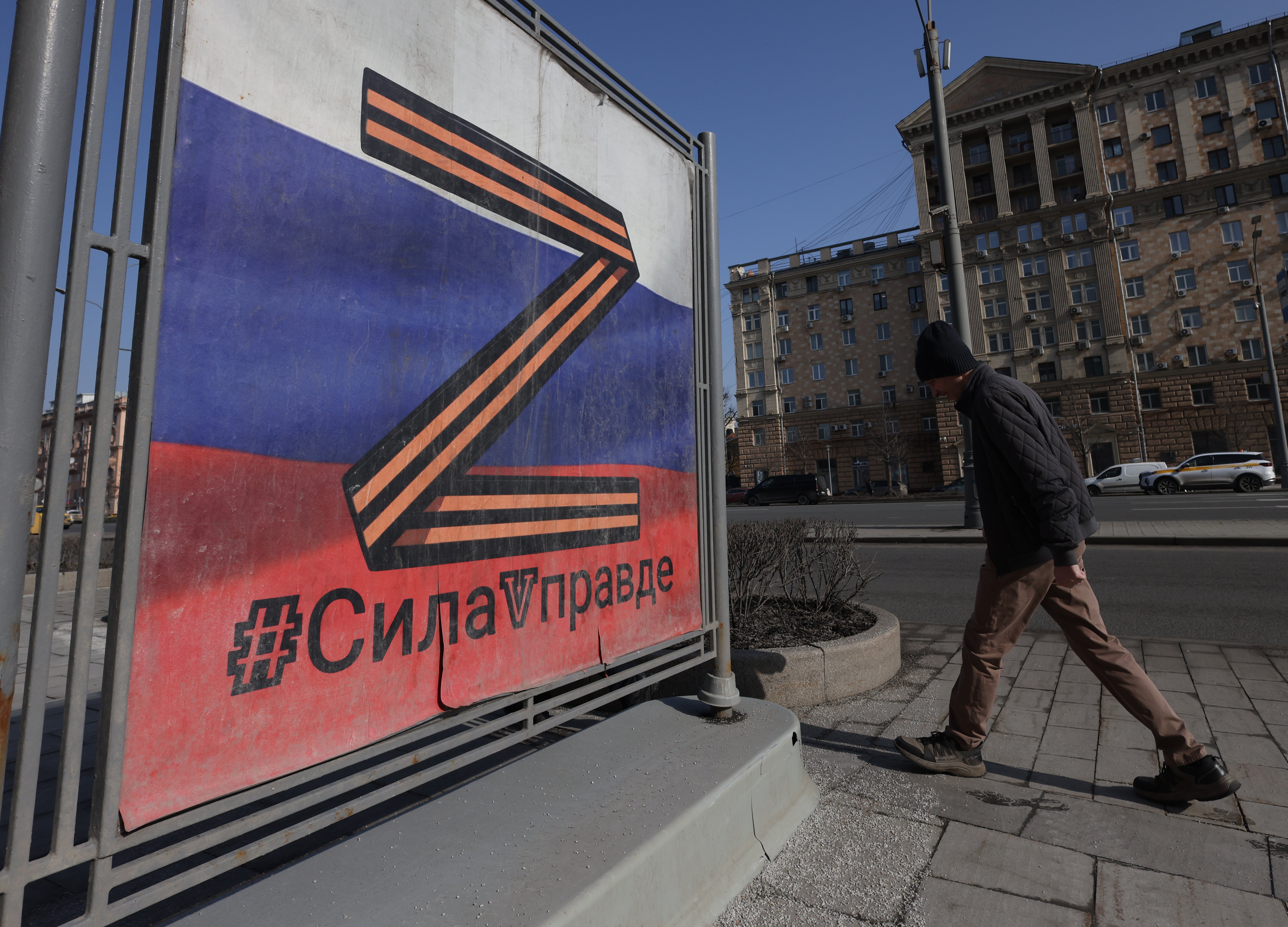
Russia has allocated 185 billion rubles ($2.15 billion) to fund disinformation campaigns directed against European Union and NATO countries, marking a 50% increase compared to the previous year.
This funding is part of an effort by Moscow to systematically weaken Ukrainian journalism as an institution, executing both physical attacks on the front lines and information control in occupied territories, according to Detector media on June 26.
We bring you stories from the ground. Your support keeps our team in the field.
Ukrainian Member of Parliament Yevheniia Kravchuk shared these findings during a panel on the wartime status of Ukrainian media at the Ukraine Recovery Conference (URC 2026) in Gdansk, Poland.
Kravchuk stated that the Kremlin's information operations will not cease even after the current kinetic phase of Russia’s full-scale invasion of Ukraine ends. She explained that when discussions turn toward international investments and European integration for Ukraine, Moscow will actively push alternative narratives to convince Western publics to return to the old days and restore ties.
A special parliamentary investigative commission established in the Verkhovna Rada has analyzed nearly 1,000 documented war crimes against media workers. According to Kravchuk, the data confirms that these actions represent a deliberate, systematic strategy rather than incidental battlefield casualties. She emphasized that clearly marked press gear has increasingly turned reporters into intentional targets, with FPV drones representing the most common tool used to target them on the front line.
The current statistics indicate that at least 15 Ukrainian journalists and 4 French journalists have been killed by the Russian Federation while performing their professional duties. Kravchuk raised broader questions regarding the efficacy of international legal frameworks when one combatant party completely disregards established global conventions protecting media personnel.
-37bccdf8a11530b8187f00e534854b89.jpg)
Beyond physical targeting, the strategy involves identity theft of media brands in occupied areas, where local publication layouts and names are duplicated by occupation authorities to distribute Moscow-approved content.
Kravchuk also pointed to the creation of alternative documentary films regarding the siege of Mariupol to counter acclaimed authentic accounts like the Oscar-winning film "20 Days in Mariupol" by Mstyslav Chernov, forcing genuine reporters to compete directly against fabricated realities.
The broader conference in Gdansk features European political leaders addressing long-term continental security. European Council President António Costa maintained that peace terms must rely entirely on international law, the UN Charter, and the preservation of Ukraine's territorial integrity.
Previously, streaming platform Netflix acquired the rights to two new seasons of the Russian animated series Masha and the Bear and extended its licensing agreement for distribution in more than 100 countries worldwide.
This was reported by Deadline and Ukraine’s Center for Countering Disinformation (CCD) on June 22. According to the report, the agreement broadened Netflix’s distribution of the show to over 100 countries, including the United States and Canada.
Discuss this article: