- Category
- World
Netflix Extends Russian Animated Series “Masha and the Bear.” What’s Wrong With That?
 Prefer U24 Media on Google
- Authors


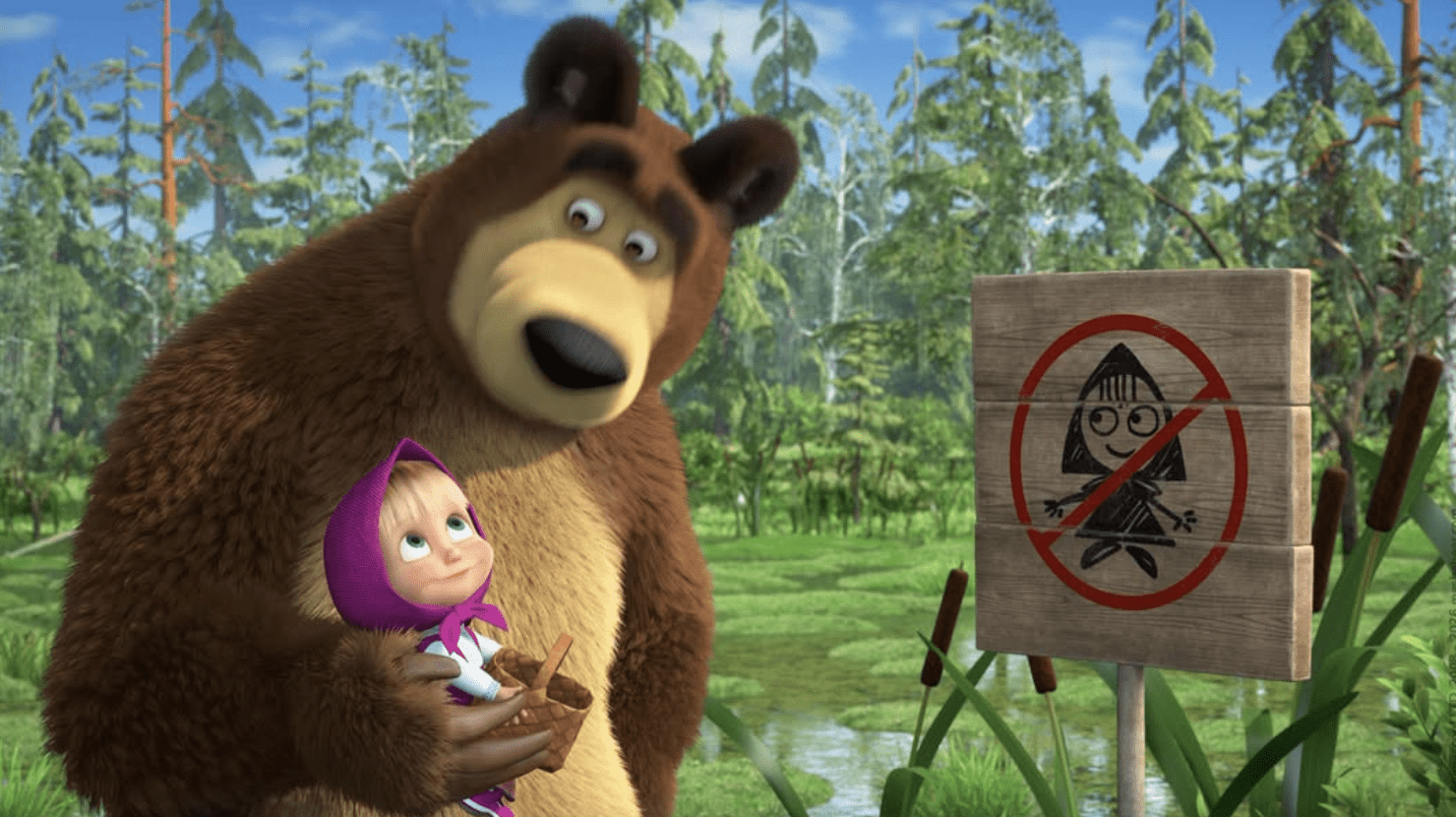
Streaming platform Netflix has acquired the rights to two new seasons of the Russian animated series Masha and the Bear and extended its licensing agreement for distribution in more than 100 countries worldwide.
This was reported by Deadline and Ukraine’s Center for Countering Disinformation (CCD) on June 22.
We bring you stories from the ground. Your support keeps our team in the field.
According to the report, the agreement broadens Netflix’s distribution of Masha and the Bear to over 100 countries, including the United States and Canada. In Europe, the series will be available in France and Portugal, as well as across the Nordic and Benelux regions. In Asia, Netflix holds rights for markets such as India, Japan, South Korea, and Malaysia, with additional coverage in the Middle East and Latin America.
The show’s popularity on YouTube, later reinforced by its availability on Netflix, has made it one of the leading global preschool franchises, alongside titles such as CoComelon, Peppa Pig, and PAW Patrol. In addition to its Netflix distribution, episodes remain accessible on YouTube, where the dedicated Masha channel has accumulated 55 million subscribers.
The CCD described the series as part of Russia’s broader soft power strategy.
“It is not just a cartoon, but an instrument of Russian ‘soft power’,” the Center stated.
According to the Center’s analysis, the animated series promotes a positive image of Russia through the character of the Bear, portrays other nations in a negative light through the behavior of the main character Masha, and normalizes Soviet symbolism and militaristic themes.
Experts emphasize that protecting the information space for children remains an important component of national security.
-93b2e0b44b31939d10dab93d0d3c833f.jpg)
About Masha and the Bear
Masha and the Bear is a Russian preschool animated comedy television series created by Oleg Kuzovkov and produced by Animaccord Animation Studio. The show is loosely inspired by a traditional Russian children’s folk tale of the same name.
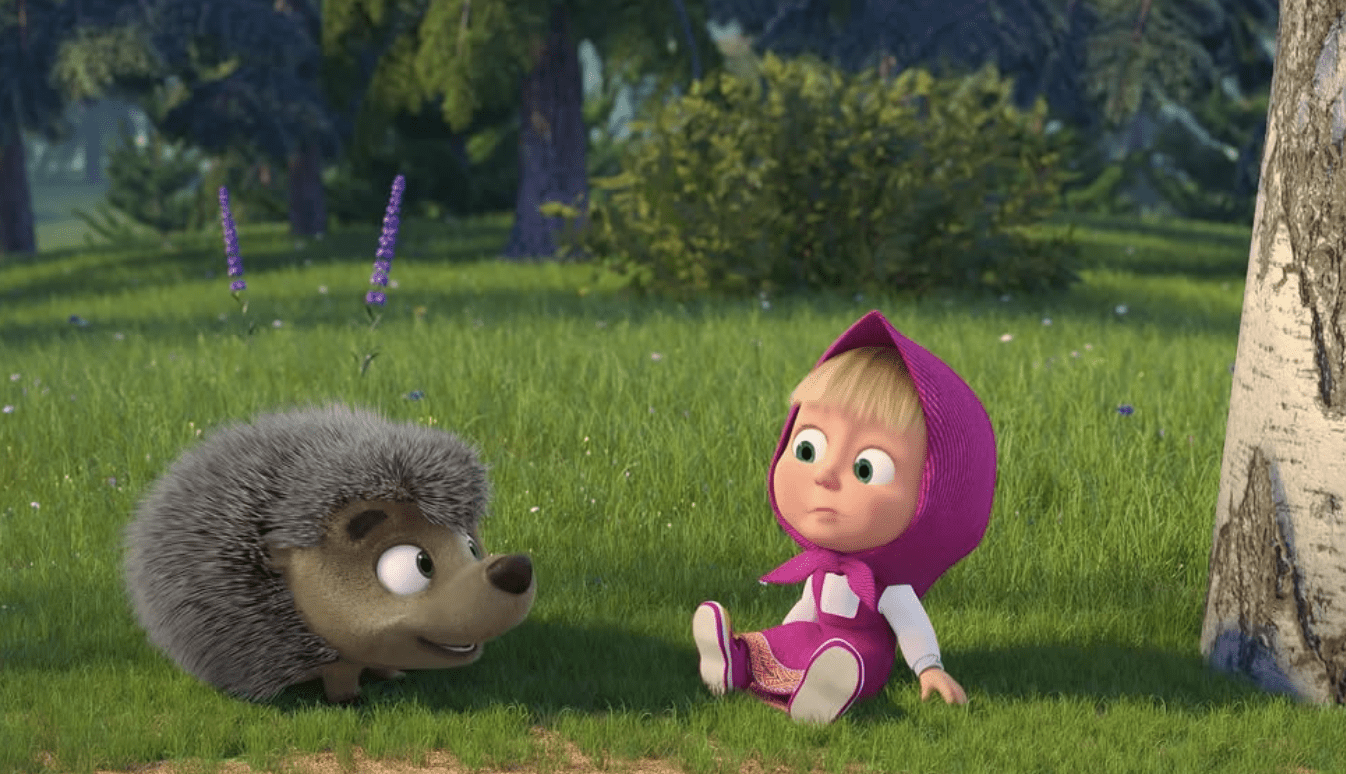
The series follows the adventures of a young girl named Masha and her companion, a bear she affectionately calls “Mishka.” The bear serves as a protective and caring figure, often preventing Masha’s playful but chaotic behavior from leading to trouble.
The series has become widely popular not only in Russia and the CIS but also internationally. Its English-language YouTube channel has more than 4 million subscribers, while the series as a whole has accumulated over 40 billion views. The show has been in production since 2009.
Traces of Russian propaganda
Critics contend that the issue is not any individual symbol appearing in the series, but the overall narrative it constructs about Russia.
Across the show, Russian cultural motifs—including folklore, traditional family values, and national symbols such as the bear—are depicted as welcoming, gentle, and universally appealing. Even references to the Soviet era, such as the appearance of a red five-pointed star in one episode, are presented in a child-friendly setting.
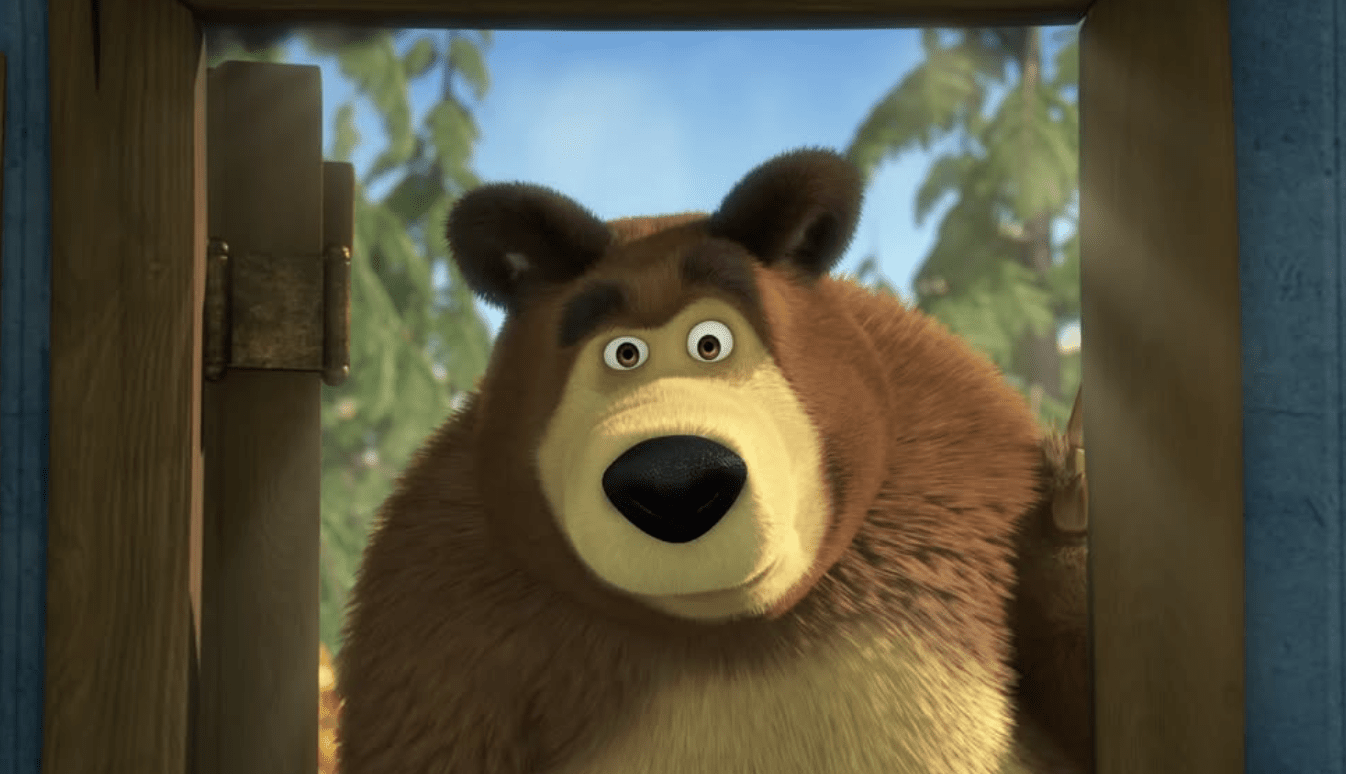
On their own, these cultural elements may seem harmless. However, critics argue that taken together they function as a form of soft power, introducing young international audiences to an idealized and carefully curated image of Russian culture and and national identity while downplaying or omitting the political realities associated with them.
The discussion is especially sensitive because some of the symbols featured in the series—including Soviet iconography—are closely linked in parts of Eastern Europe to repression, occupation, and other historical abuses. By presenting these symbols outside their historical context, framed instead as nostalgic or innocent, can make them more effective instruments of cultural influence.
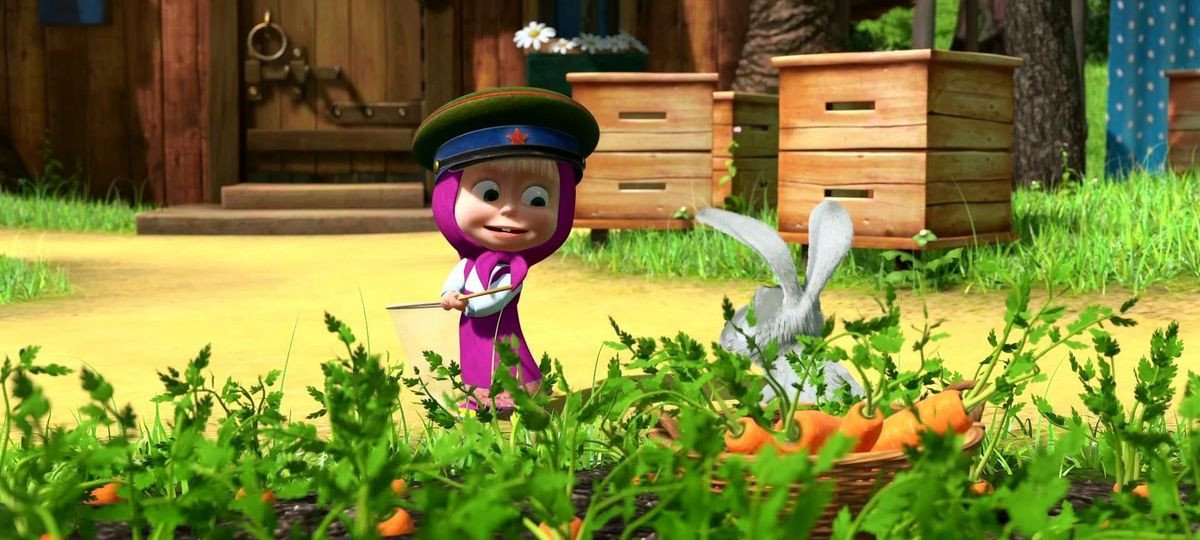
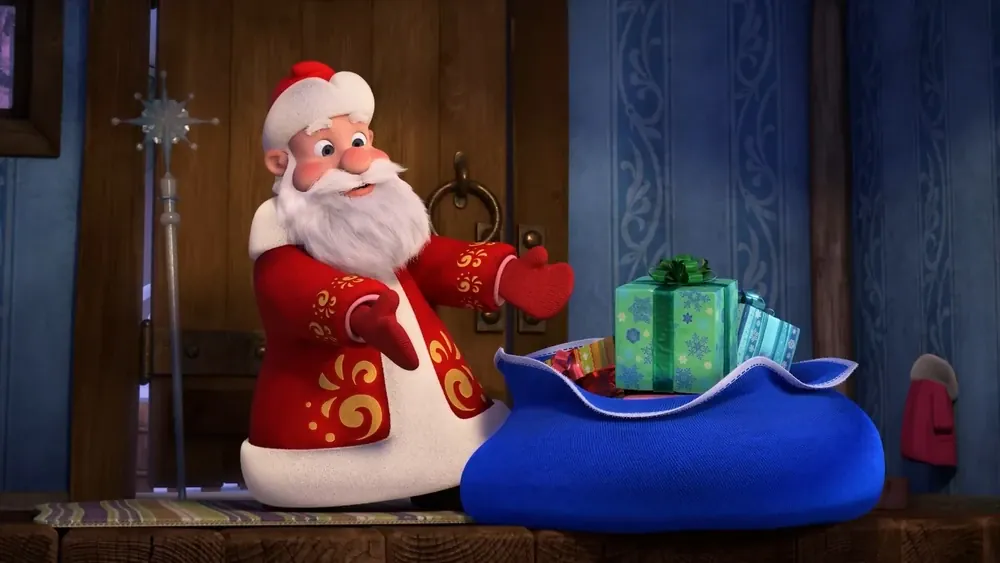
From this perspective, the series does more than entertain. Critics say it consistently portrays Russia as friendly, culturally rich, and non-threatening, creating a positive emotional association with the country.
This is what makes Netflix’s decision to continue distributing Masha and the Bear controversial: the platform is not merely licensing a popular children's program, but expanding the global reach of content that, in their view, promotes a sanitized image of Russia.
Masha and the Bear sanctions
In 2017, Ukraine’s State Film Agency (Derzhkino) reviewed the legality of broadcasting Masha and the Bear on television, amid concerns that the animated series contains elements of Russian propaganda narratives, according to Suspilne Culture.
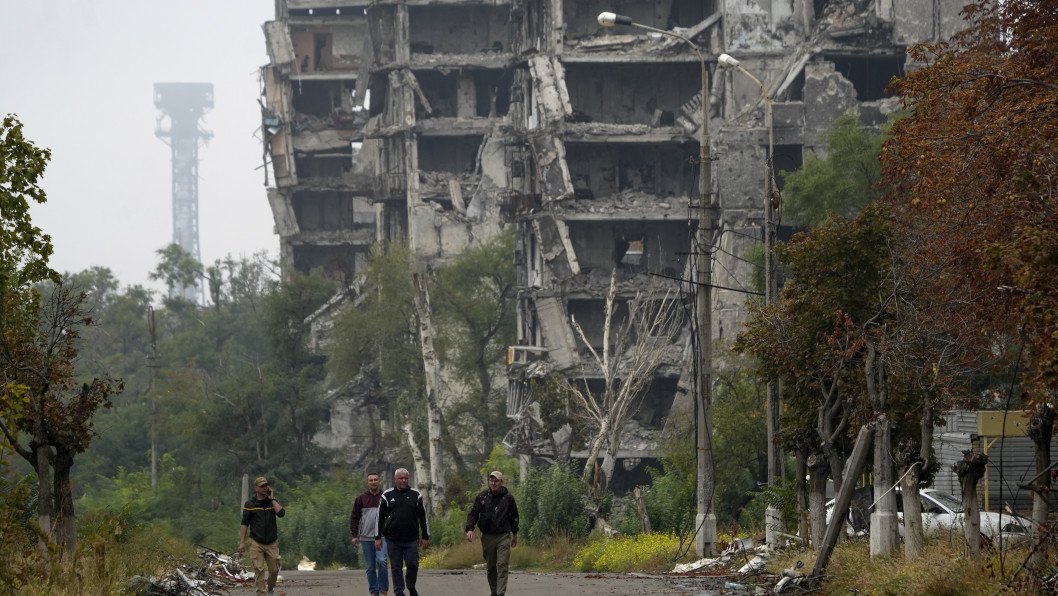
Later, the head of the Verkhovna Rada Committee on Freedom of Speech, Yaroslav Yurchyshyn, appealed to law enforcement regarding possible links between the cartoon and Russia. In response, police acknowledged the concerns and said they were prepared to participate in restricting access to the content in Ukraine.
According to the National Police, official platforms associated with the cartoon include links to the VK social network, which is banned in Ukraine. Investigators also noted that the show’s website is hosted on a Russian domain, which redirects users to a seemingly neutral address that does not explicitly reference Russia, the outket noted.
Law enforcement officials added that, should sanctions be imposed on the cartoon, they are ready to assist in implementing content restrictions in Ukraine.
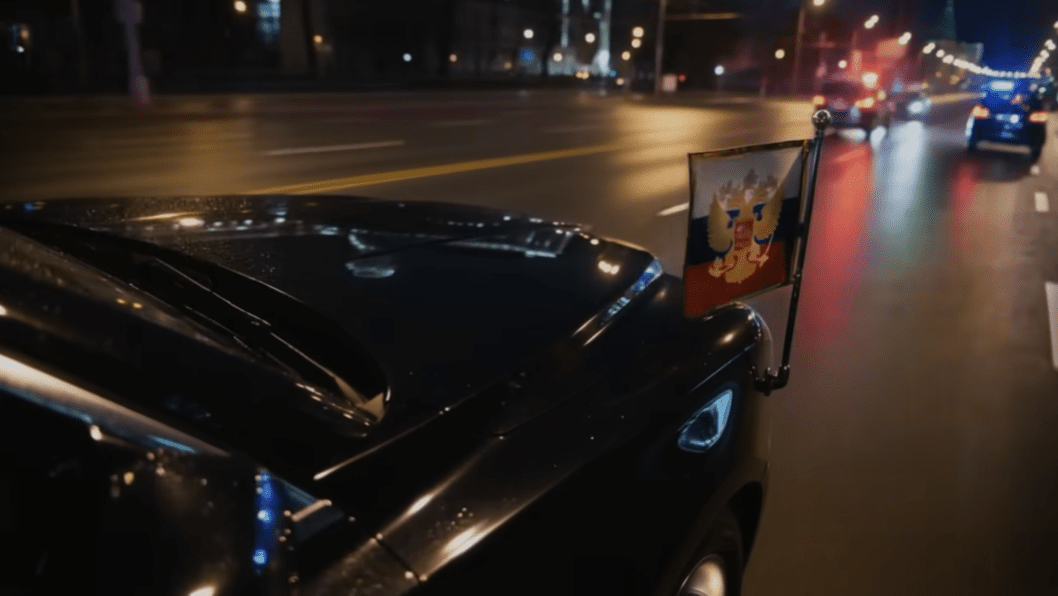
Separately, in October 2025, the Ministry of Culture supported the introduction of sanctions against the animated series.
Previously, an investigation by Systema has found that Iranian intelligence operatives allegedly used Russian animation studios as a front for arms trafficking and the export of stolen Ukrainian grain.
According to leaked internal documents from Russia’s Federal Security Service and US government assessments, individuals connected to Iranian intelligence are said to have operated through companies engaged in the production of children’s animation content distributed on major platforms, including Netflix and Apple TV.
Discuss this article:




-c439b7bd9030ecf9d5a4287dc361ba31.jpg "Photo of Katherina Popilnichenko")