- Category
- Latest news
Iran Used Russian Animation Studios to Cover Up Arms Deals and Stolen Ukrainian Grain
 Prefer U24 Media on Google
- Authors



Iranian intelligence operatives used Russian animation studios as cover for arms trafficking and the export of stolen Ukrainian grain, according to an investigation by Systema, published on March 17.
We bring you stories from the ground. Your support keeps our team in the field.
According to leaked internal documents from Russia’s Federal Security Service (FSB) and US government reports, individuals linked to Iranian intelligence operated through companies involved in children’s animation distributed on major platforms, including Netflix and Apple TV.
The investigation identifies Sohrab Ghayrat, head of Sky Frame Studio, as a central figure. According to Systema, while managing animation projects such as “Dolphin Boy” and working with well-known Russian series, Ghayrat was also involved in procuring Russian weapons for Yemen’s Houthi forces and organizing shipments of grain taken from occupied Ukrainian territories.
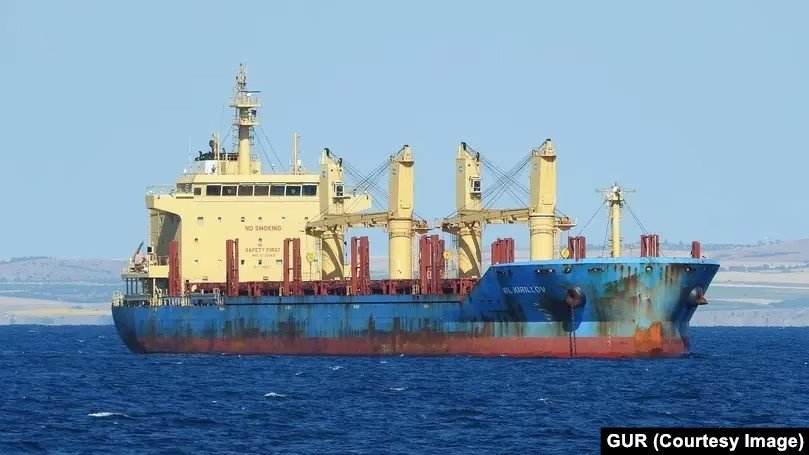
According to Systema, US Treasury sanctions imposed in April 2025 state that Ghayrat and his associates facilitated “commercial initiatives” for the Houthis, including weapons procurement. The same sanctions link the network to shipments of Ukrainian grain transported from occupied Crimea to ports in Yemen using vessels under Russian control.
The investigation also points to Arash Doroudi, a former head of Sky Frame Studio, as a key intermediary between the network and Iranian intelligence structures. Doroudi maintained long-standing ties with Iran’s embassy in Moscow and was identified in leaked FSB counterintelligence materials as connected to Iran’s Center for Progress and Development, which operates under the country’s intelligence apparatus.
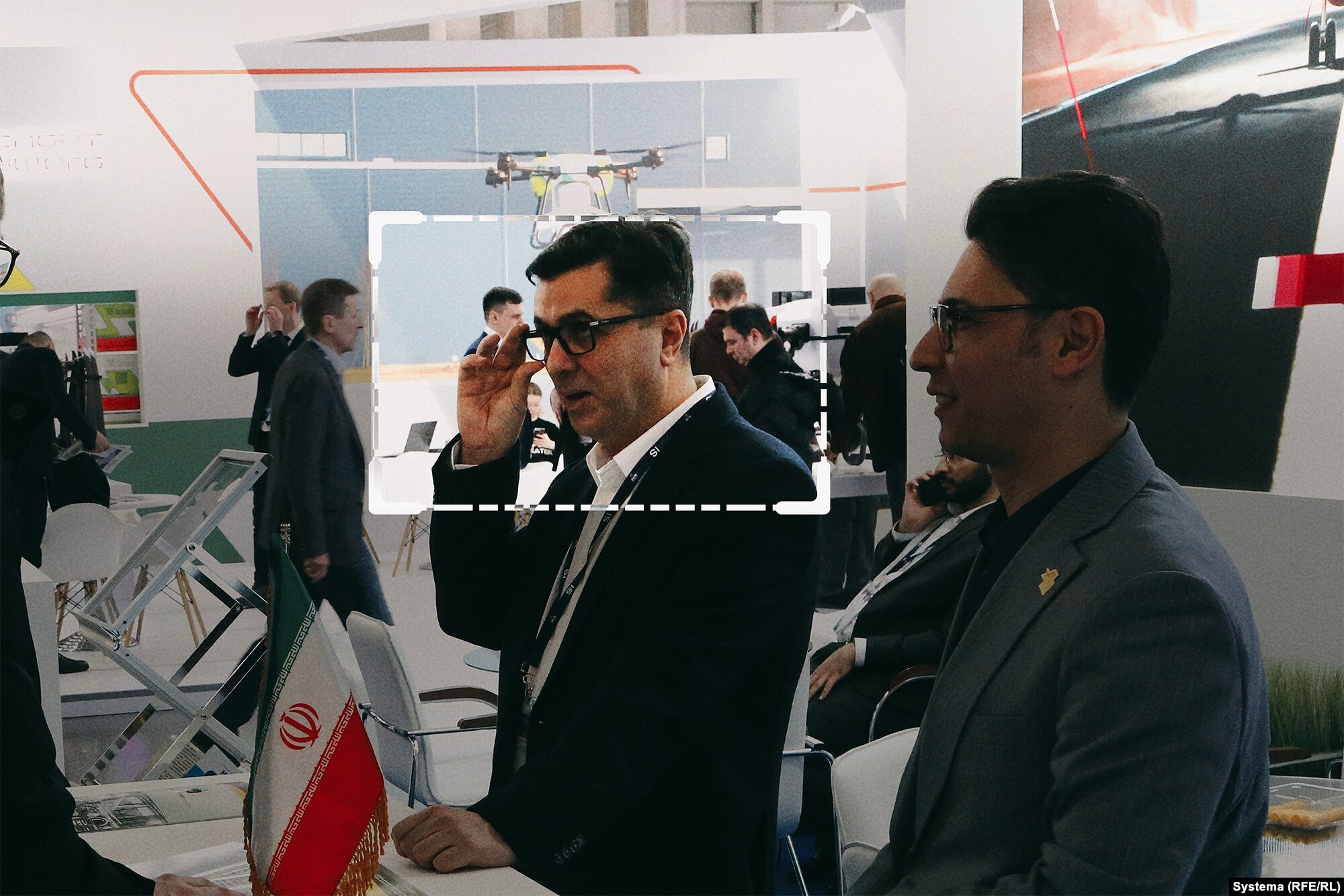
Doroudi’s business activities extended beyond media production. He reportedly attended Russian aviation and technology exhibitions while presenting himself as a civilian entrepreneur, collecting information on advanced technologies. Earlier records cited in the investigation indicate he was previously detained for attempting to export military-grade gyroscopic equipment from Russia.
Financial flows tied to animation production also raised concerns. According to Systema, payments from international streaming platforms for licensing animated content were routed through companies linked to Iran’s Islamic Revolutionary Guard Corps, potentially enabling indirect funding of proxy groups.
The investigation further details how front companies connected to the network were involved in grain trading and logistics operations. Shipments of Ukrainian grain were coordinated through businesses registered in Moscow, with links to entities operating in the Middle East. Digital traces, corporate records, and shipping data were used to reconstruct these routes.
The findings build on broader concerns about sanctions evasion and the use of civilian industries as cover for illicit activities. According to US authorities cited by Systema, networks associated with Iranian entities have previously used commercial fronts to facilitate arms transfers, oil trade, and financial operations linked to proxy forces.
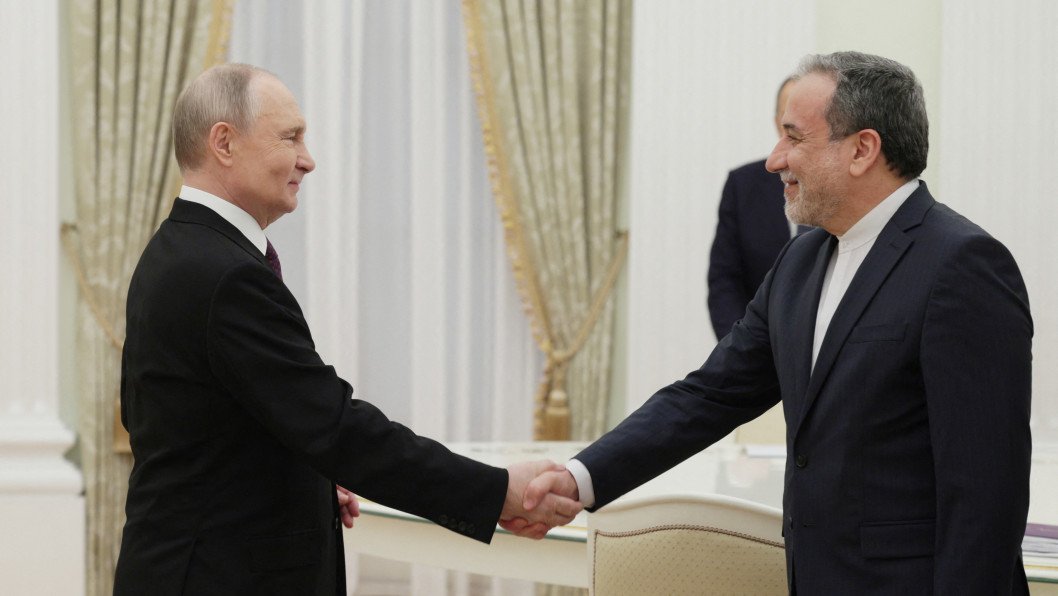
Earlier, Iran’s Foreign Minister Abbas Araghchi said that Tehran continues to receive military support from Russia and China as part of ongoing strategic cooperation, highlighting close ties across political, economic, and defense sectors.
Discuss this article:
-9a7b3a98ed5c506e0b77a6663f5727c5.png)