- Category
- World
NATO Plans to Deploy Advanced AI System to Track Russian Troops Along the Eastern Flank
 Prefer U24 Media on Google
- Authors

-c439b7bd9030ecf9d5a4287dc361ba31.jpg "Photo of Katherina Popilnichenko")

Details emerged regarding a new NATO defense strategy code-named EFDI, or the Eastern Flank Deterrence Initiative.
The alliance is developing a unified digital network designed to monitor the movements of Russian military forces in real time, as reported by Bild on July 8.
We bring you stories from the ground. Your support keeps our team in the field.
According to documents obtained by the media outlet BILD, the primary objective of this program is to deter actions from the Kremlin and prevent any potential assault on alliance member states. The project focuses on full digitalization and standardization of surveillance across the eastern borders of the alliance, covering the entire region from Finland to Romania.
To collect information and monitor opposing forces, NATO will deploy a multi-domain network that integrates space, air, surface, and underwater sensors.
This includes the use of satellites, reconnaissance drones, and ground robotic complexes. The gathered intelligence will be processed using artificial intelligence, which will analyze Russian military activities and project future movements.
Every NATO member state will have simultaneous access to these analytical reports and target coordinates. This shared data will allow military forces to quickly identify which country possesses the most effective assets to strike a target or neutralize opposing forces.
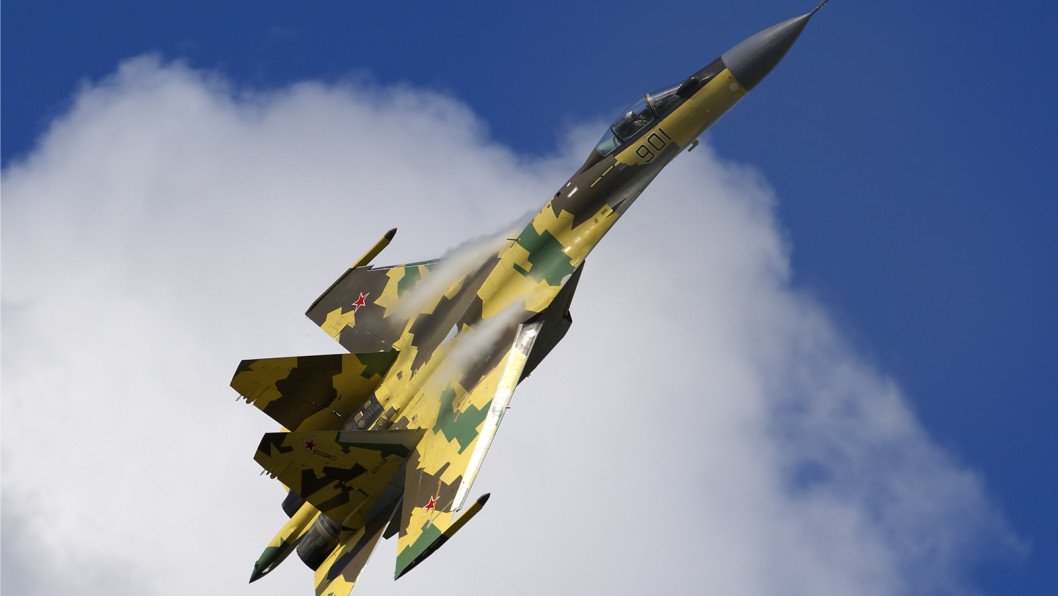
If a Russian military advance is detected, the system will automatically merge radar and satellite intelligence to deliver a comprehensive view of the battlefield to commanders. This capability aims to accelerate the selection of optimal strike assets, such as long-range artillery, unmanned aerial vehicles, or missile defense systems.
Beyond data collection, the strategy establishes a specialized zone along the eastern flank where the primary line of defense will consist solely of unmanned systems and ground robotic complexes.
These autonomous systems are intended to engage first and exhaust the capabilities of an advancing force before regular military units enter direct combat.
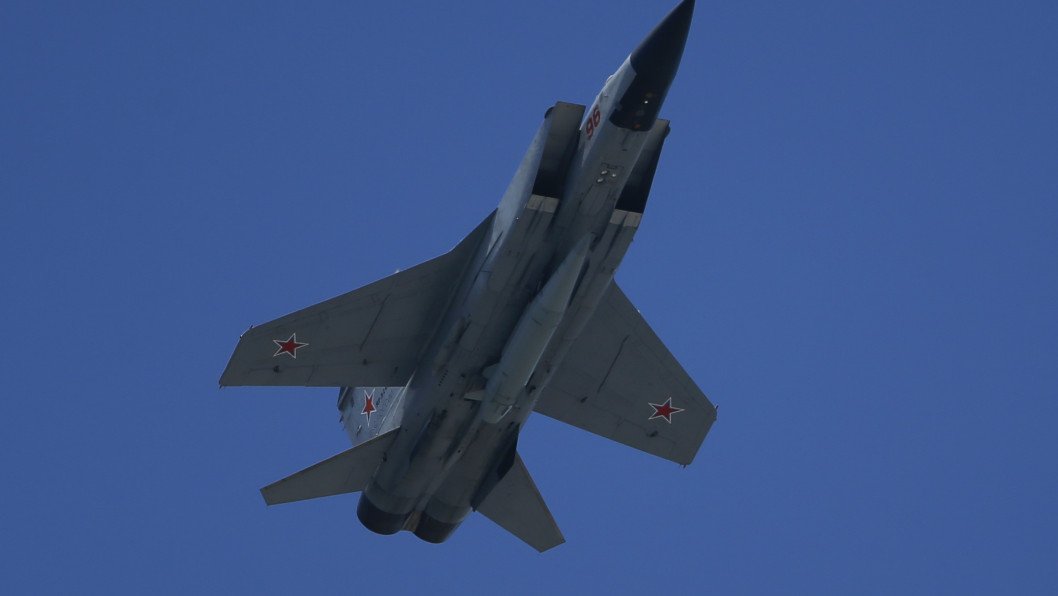
US Army spokesperson Major Matt Bluebaugh stated to the media that advanced technologies will not replace soldiers, armored vehicles, or aircraft. He noted that the concept is intended to maintain the combat readiness of personnel while giving commanders more time and a strategic advantage during decision-making.
On July 7, 2026, NATO launched a new $40 billion initiative called Drone Edge to strengthen the Alliance’s ability to counter unmanned aerial threats. Announced by Secretary General Mark Rutte during the NATO Defense Industry Forum in Ankara, the five-year program was developed using lessons learned from recent wars, including Russia's full-scale invasion of Ukraine.
Under the initiative, NATO member states committed to investing in counter-drone technologies, expanding drone pilot training, and increasing the number of drone operators in their armed forces fivefold by the end of 2027.
Discuss this article:






-72b63a4e0c8c475ad81fe3eed3f63729.jpeg "Photo of Cyril Barabaltchouk")