- Category
- World
North Korea Commissions 5,000-Ton Missile Destroyer Just Over a Year After It Capsized at Launch
 Prefer U24 Media on Google
- Authors


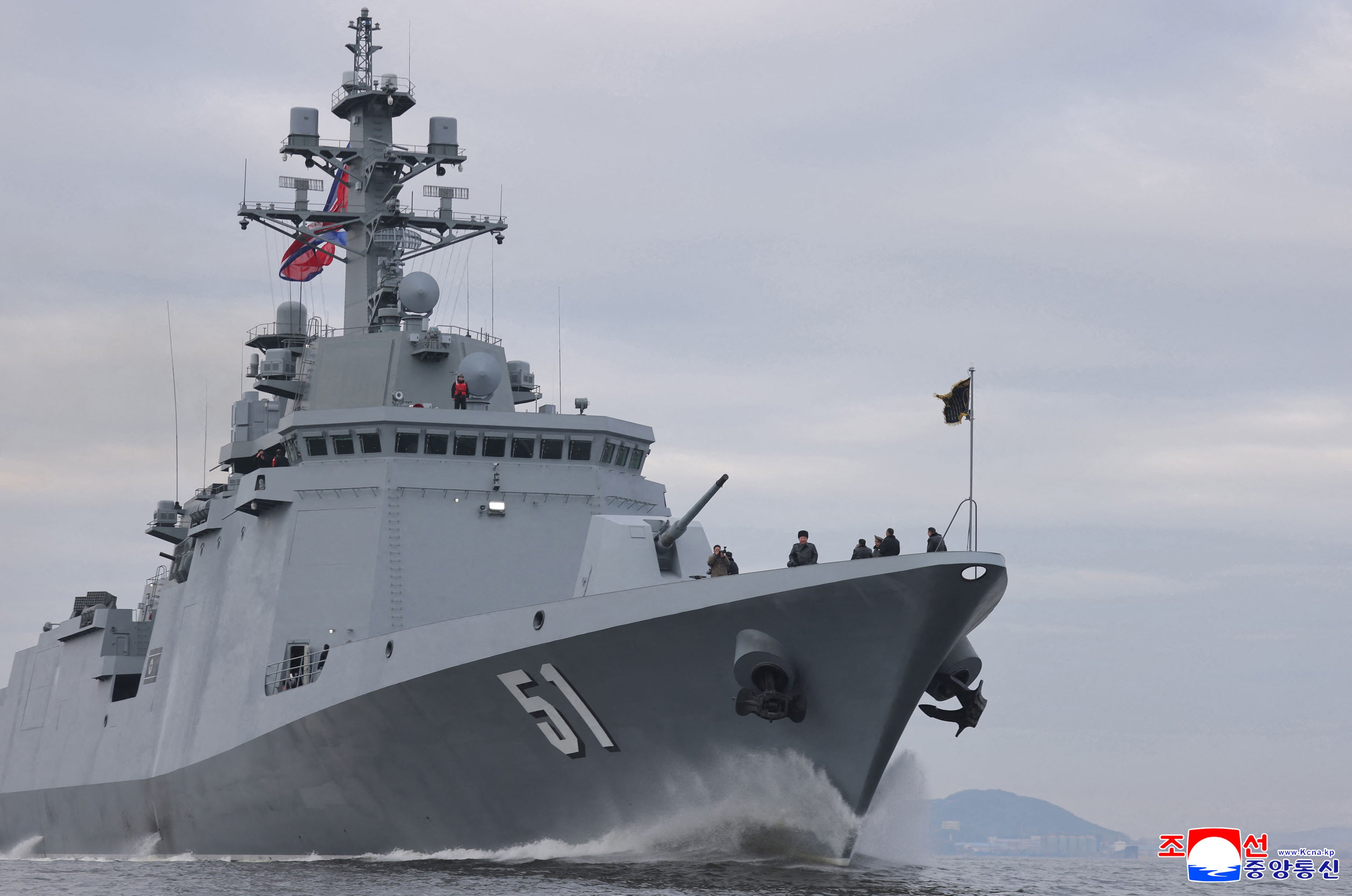
North Korea has commissioned the Kang Kon, a 5,000-ton missile destroyer that capsized during its initial launch in May 2025, adding the second vessel of the new Choe Hyon-class to its rapidly expanding surface fleet.
We bring you stories from the ground. Your support keeps our team in the field.
According to Defense Express on September 8, images released by North Korea’s state-run Korean Central News Agency (KCNA) showed the Kang Kon, hull number 52, during an official commissioning ceremony. The ship entered service only slightly later than originally expected despite the accident that interrupted its launch last year.
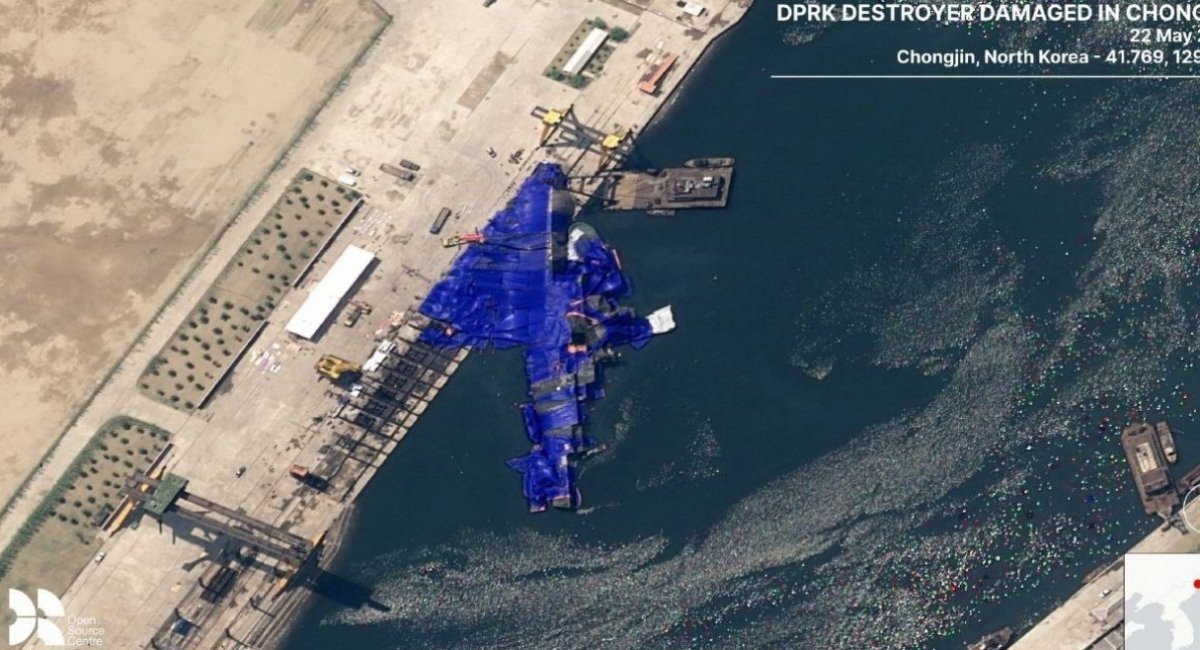
The Kang Kon capsized at the Chongjin shipyard in late May 2025 after an apparent failure during the sideways launch procedure. North Korea subsequently recovered and repaired the vessel before completing its construction.
Its commissioning follows the entry into service of the lead ship, Choe Hyon, in June 2026. According to Defense Express, slightly more than two months now separate the commissioning of the two destroyers.
Both vessels were laid down in May 2024 and constructed in parallel at separate shipyards. They are currently the largest surface combatants operated by North Korea.
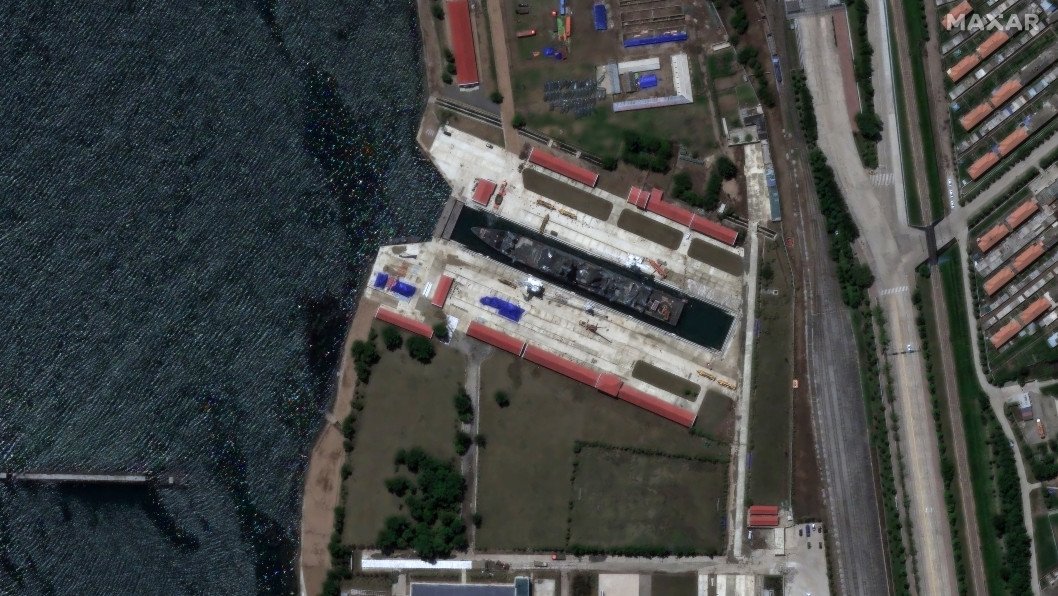
The Choe Hyon-class measures approximately 145 meters in length and 16 meters in width, with a displacement of around 5,000 tons.
Its armament includes four four-cell launchers intended for anti-ship missiles, as well as 88 vertical launch system cells. Defense Express reported that the vertical launch cells are divided by size, with larger cells intended for strike weapons and smaller ones designed for surface-to-air missiles.
Earlier, Russia and North Korea opened their first-ever road bridge across the Tumen River, creating a direct transport link that could expand cargo traffic and provide a new route for military-related shipments between the two countries.
Discuss this article:
-9a7b3a98ed5c506e0b77a6663f5727c5.png)

-72b63a4e0c8c475ad81fe3eed3f63729.jpeg "Photo of Cyril Barabaltchouk")