- Category
- War in Ukraine
Russia and North Korea Open First-Ever Road Bridge, Unlocking New Military Supply Route
 Prefer U24 Media on Google
- Authors


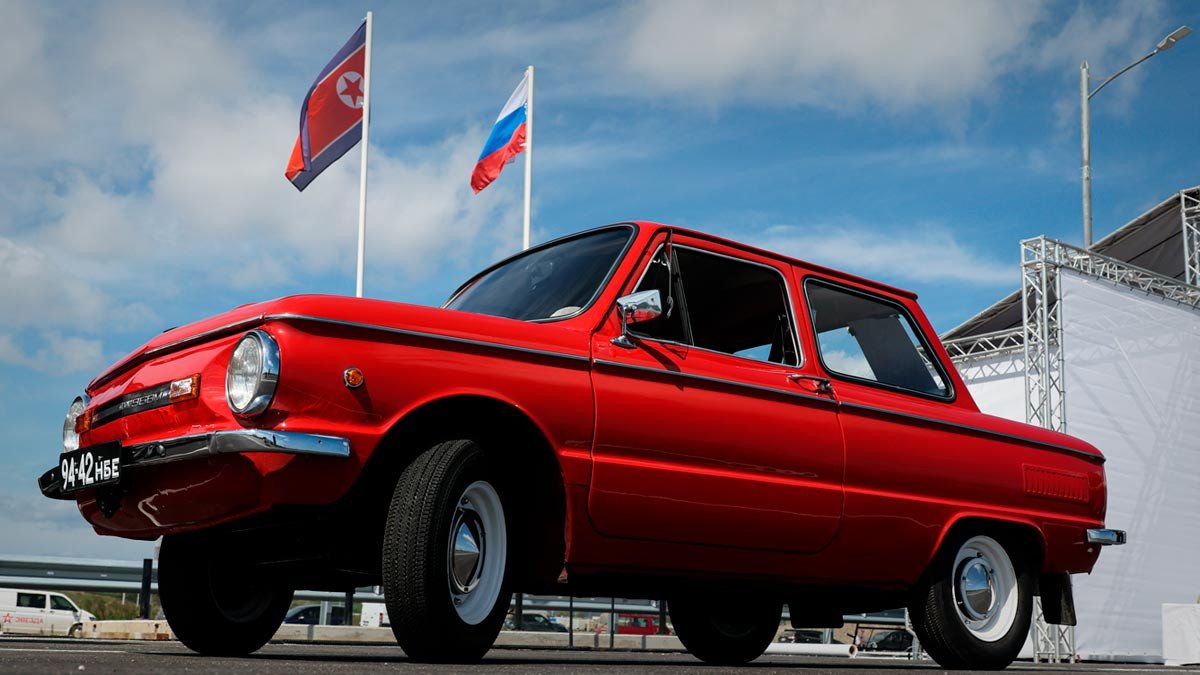
Russia and North Korea opened their first road bridge across the Tumen River on September 7, establishing a new direct transport link that could significantly expand cargo traffic between the two countries.
We bring you stories from the ground. Your support keeps our team in the field.
According to Russia’s Interfax on September 7, the two-lane bridge is about one kilometer long and connects Russia’s Primorsky region with North Korea. A new 10-lane Khasan vehicle checkpoint was also completed as part of the project.
North Korea and Russia opened their first road bridge over the Tumen River, marking another step in their growing strategic ties. pic.twitter.com/deP9MJdKaO
— Clash Report (@clashreport) September 7, 2026
Russian Prime Minister Mikhail Mishustin and North Korean Premier Pak Thae Song attended the opening ceremony.
“Relations between Russia and the DPRK are currently at an unprecedentedly high level of comprehensive strategic partnership. Our countries actively cooperate in virtually all areas and also coordinate efforts aimed at strengthening regional security and stability,” Mishustin said.
The access road from the bridge connects with Russia’s Ussuri federal highway, which forms part of the West-East transport corridor linking Vladivostok with St. Petersburg. The connection gives road cargo arriving from North Korea access to Russia’s wider highway network.
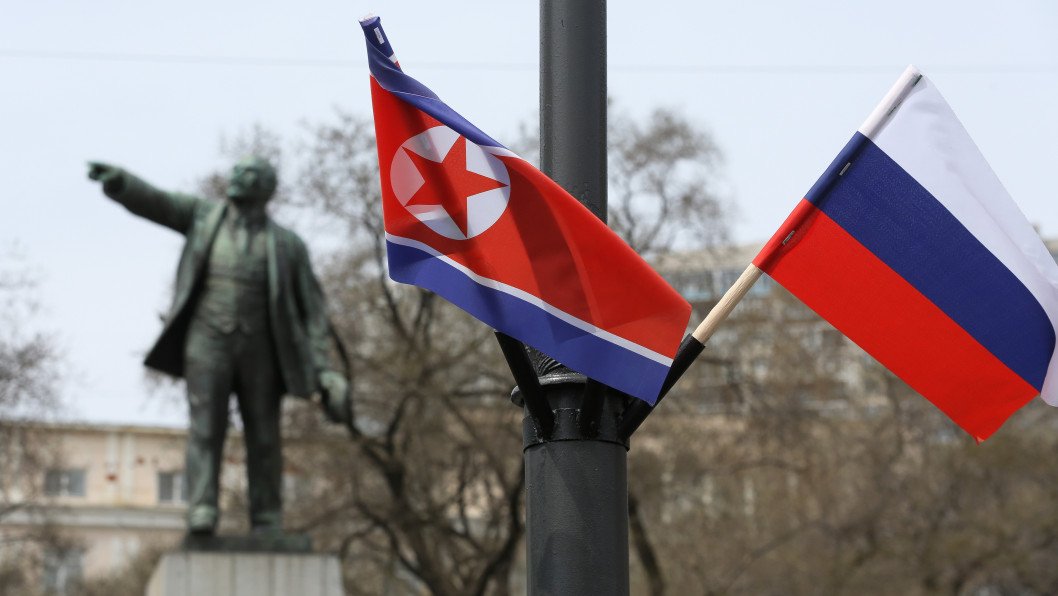
Until now, transportation between Russia and North Korea relied primarily on a railway bridge and air connections. The new crossing adds a dedicated road route capable of handling both freight and passenger traffic.
The bridge could also expand the logistical options available for moving military-related cargo between the two countries. North Korea has become an important supplier of military equipment and ammunition to Russia during its war against Ukraine.
The Guardian reported in a July 28 investigation that the bridge could serve as a less visible military logistics corridor between Russia and North Korea rather than functioning solely as a commercial route.
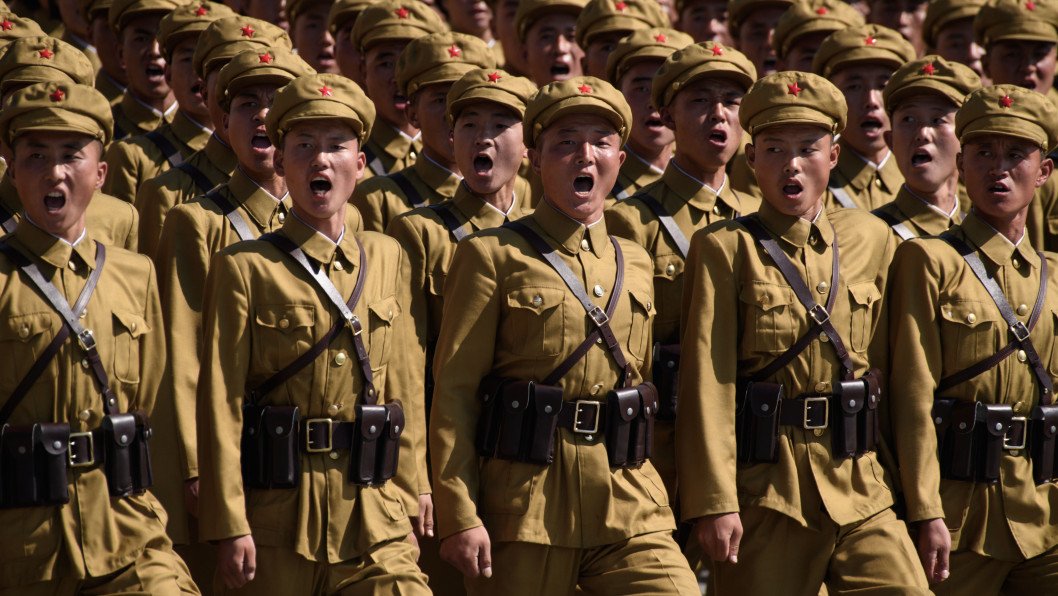
According to the investigation, road transportation can be more difficult to track through satellite monitoring than rail shipments, potentially complicating efforts by European intelligence services to monitor cargo movements between the two countries.
Russia and North Korea signed an agreement to construct the crossing in 2024 in the presence of Russian leader Vladimir Putin and North Korean leader Kim Jong Un. Construction began in 2025 as Moscow and Pyongyang expanded their strategic partnership.
Earlier, Ukraine’s Defense Intelligence reported that Russia was negotiating with North Korea for a new military aid package that could include heavier KN-30 ballistic missiles for use against Ukraine during the fall and winter.
Discuss this article:
-9a7b3a98ed5c506e0b77a6663f5727c5.png)

-939a6aae373f6c76f1b33cce63f6c7e2.png "Ukrainian paratroopers target a gas pipeline used by Russian infantry to conceal their movements in the Sumy direction. (Source: 71st Separate Airmobile Brigade)")