- Category
- World
Russia Can Afford a War in Ukraine but Apparently Needs to Tax Lobsters and Oysters to Pay for It
 Prefer U24 Media on Google
- Authors


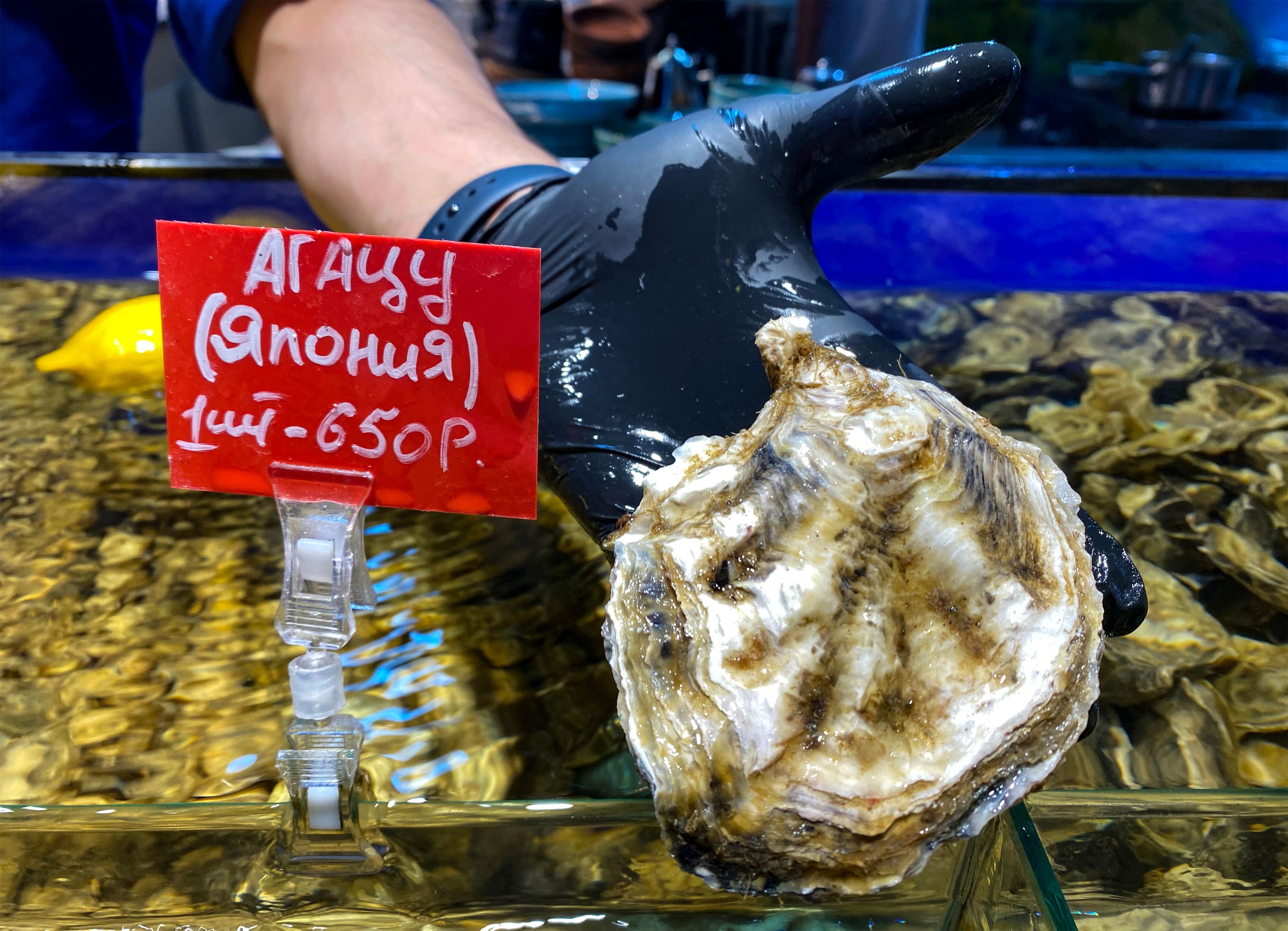
Russian lawmakers are preparing legislation to increase taxes on luxury food products, including lobsters, oysters, and cured ham, as Moscow seeks additional budget revenue amid growing fiscal pressure from its war against Ukraine, The Moscow Times reported on November 10.
According to the outlet, State Duma Speaker Vyacheslav Volodin announced that lawmakers had begun developing amendments to remove preferential tax treatment for certain delicacies.
We bring you stories from the ground. Your support keeps our team in the field.
The initiative is being prepared jointly with Federation Council Speaker Valentina Matviyenko, who previously called for higher taxes on luxury food products as part of efforts to increase federal budget revenues.
Under the proposed changes, products such as jamón, oysters, and lobsters would no longer qualify for the reduced value-added tax (VAT) rate currently applied to certain food products, including baby food.
The proposal follows earlier discussions in October, when Matviyenko called for eliminating the preferential 10% VAT rate on lobsters, oysters, and langoustines during parliamentary debates on Russia’s three-year federal budget.
According to The Moscow Times, Matviyenko estimated that raising taxes on these products could generate approximately 6 billion rubles ($72.5 million) in additional budget revenue. She argued that consumers purchasing luxury seafood would be unlikely to notice the increase in prices resulting from higher taxation.
Volodin also supported the initiative, suggesting that the additional revenue generated from taxing delicacies could finance the construction of approximately 30 kindergartens.
The proposal comes as Russia faces mounting pressure on its federal finances, with government expenditures remaining elevated amid the continued war against Ukraine.
According to estimates from Russia’s Finance Ministry cited by The Moscow Times, the federal budget deficit is expected to reach 7.3 trillion rubles ($88.2 billion) in 2026, equivalent to 3.2% of gross domestic product. That would represent Russia’s largest annual budget deficit since the beginning of its full-scale invasion of Ukraine in February 2022.

Although the government expects the deficit to narrow in 2027, it is still projected to reach 5.5 trillion rubles ($66.5 billion), or 2.2% of GDP.
Against this backdrop, Moscow is also considering other measures to increase government revenues, including substantially higher financial penalties for economic offenses.
According to a separate report by The Moscow Times, citing Interfax, Russian authorities are preparing to raise fines for a broad range of economic crimes, with penalties for some violations potentially increasing fivefold.
The proposed legislation would amend more than 30 provisions of Russia’s Criminal Code, reflecting broader efforts to increase revenue from financial penalties as the government faces persistent budget deficits and substantial wartime expenditures.
Discuss this article: