- Category
- World
Portugal Largest Bank Begins Mass Closure of Accounts Held by Russians
 Prefer U24 Media on Google
- Authors

-72b63a4e0c8c475ad81fe3eed3f63729.jpeg "Photo of Cyril Barabaltchouk")
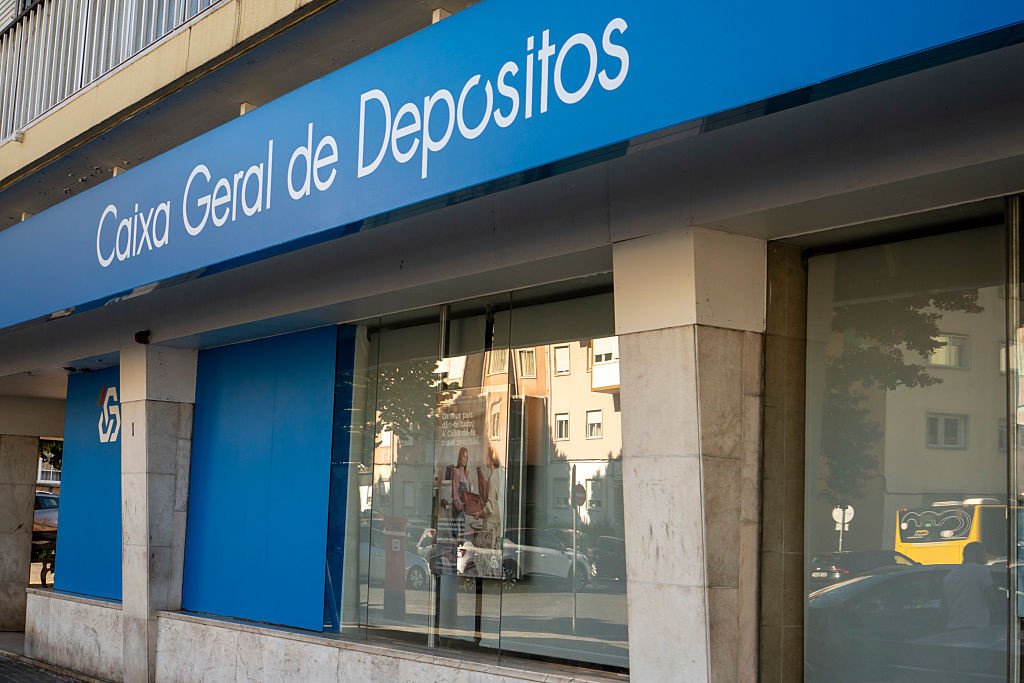
Portugal’s largest bank, Caixa Geral de Depósitos, has begun issuing mass notifications to Russian clients regarding the mandatory closure of their accounts, The Moscow Times reported on June 15, citing Russian media.
The state-owned financial institution plans to finalize the account terminations by August 14, 2026, ordering clients to return checkbooks and debit cards while offering to pay out remaining balances in cash at physical branches.
We bring you stories from the ground. Your support keeps our team in the field.
Financial data compiled by Russian media indicates that the notifications primarily target Russian passport holders who lack a valid Portuguese residence permit or those who failed to update their personal information. However, some legal residents employed by European companies have also been affected.
Financial consultants noted that Caixa Geral de Depósitos had long been considered one of the most accommodating European banks for Russian nationals, occasionally opening accounts even without local residency. However, compliance standards have tightened significantly, with other major Portuguese institutions like Novo Banco and Millennium BCP issuing outright rejections to Russian applicants in 2026, while others demand exhaustive documentation regarding any ongoing ties or transactions with Russia, according to reports tracked by The Moscow Times.
This change is a part of a wider European banking trend in 2026, characterized by tightening of compliance and risk assessments for any clients holding Russian citizenship. In Germany, institutions such as Sparkasse, Deutsche Bank, Commerzbank, and the digital bank N26 blocked or heavily restricted accounts this spring, in some cases affecting individuals who have lived in the country for years or hold German citizenship, according to Russian media reports cited by The Moscow Times. Similar disruptions have faced customers at French banking giants BNP Paribas and Société Générale.
-78b1636206f47b71ab3b491ada3f4484.jpg)
The crackdown has also extended deep into the financial technology sector, with digital platforms like Wise and Revolut actively freezing accounts of Russian nationals, even those holding official European Union residence permits. Wealth management experts cited by The Moscow Times described the wave of closures as a coordinated portfolio clearing effort by European compliance departments.
While the European Commission previously clarified that sanctions should not automatically penalize Russians holding EU residency or dual citizenship, individual banks are increasingly prioritizing internal risk mitigation over regulatory minimums.
The account closures in Portugal follow similar restrictions that hit Russian citizens in Germany earlier. Major German banks, such as Sparkasse, Commerzbank, and N26, froze accounts and forced clients to provide updated proof of residency on short notice. The restrictions disrupted everyday finances for business owners and long-term residents alike, as German banks began treating Russian citizenship as an automatic high-risk factor for money laundering and sanctions violations.
Discuss this article:
-4a56a6b482ec132402c16ef6fcabf9a2.png)


-c439b7bd9030ecf9d5a4287dc361ba31.jpg "Photo of Katherina Popilnichenko")