- Category
- World
German Banks Freeze Russian Clients’ Accounts Citing Sanctions and Money Laundering Risks
 Prefer U24 Media on Google
- Authors

-c439b7bd9030ecf9d5a4287dc361ba31.jpg "Photo of Katherina Popilnichenko")
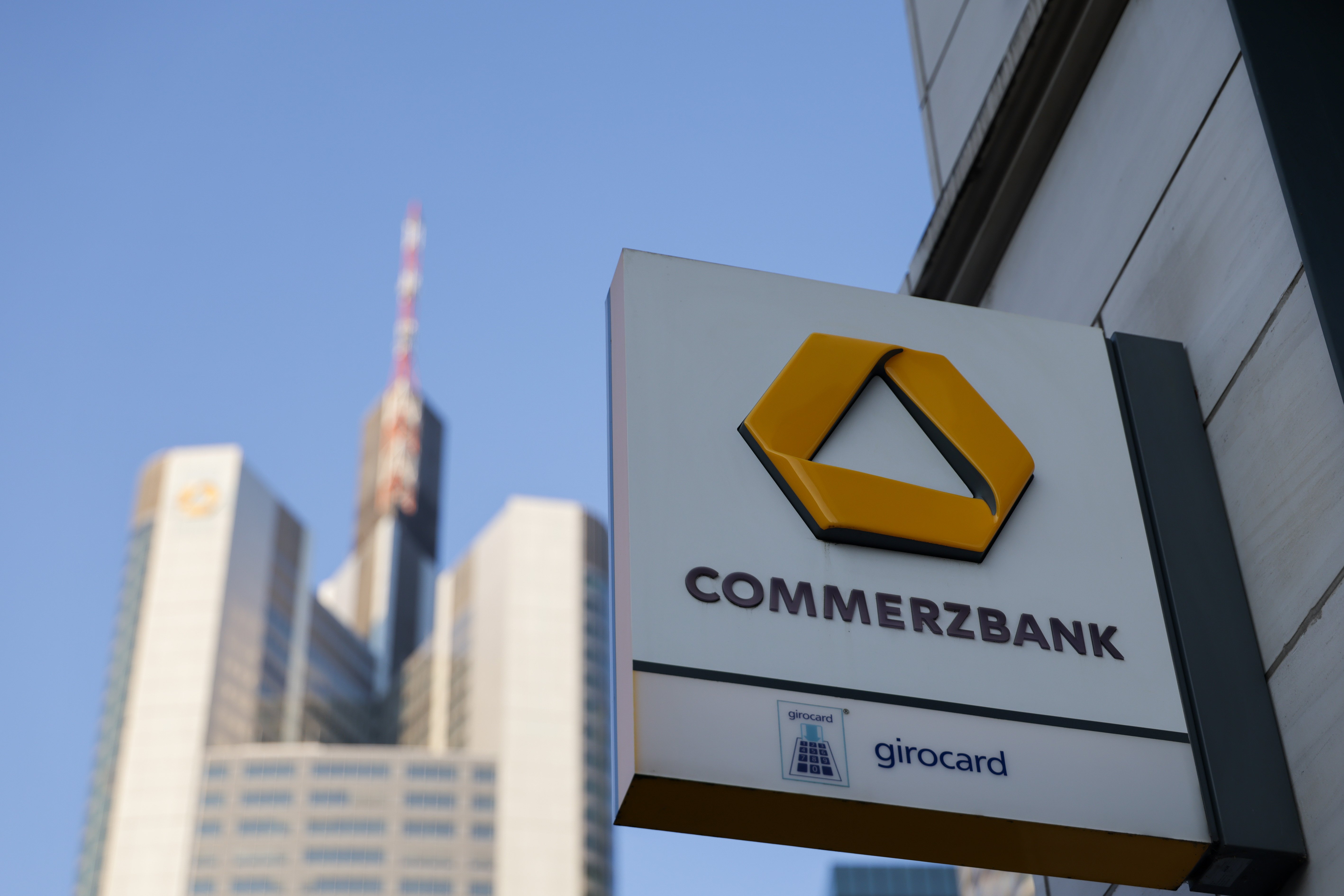
A new wave of bank account freezes is affecting Russian citizens living in Germany. Several financial institutions have restricted access to funds, requiring clients to provide additional proof of residency.
These measures have impacted individuals who have lived and worked in the country for many years, according to Deutsche Welle on May 11.
We bring you stories from the ground. Your support keeps our team in the field.
In one instance, a real estate agent named Anna was unable to use her Sparkasse Düsseldorf card at a gas station. She learned her account was blocked only after calling the bank. Anna, who owns a business and is known personally at her branch, noted that the unblocking process took nearly three weeks.
She stated, “I know half the branch personally because I have a business, they have had all my documents for a long time.” She added that many Russian-speaking clients face similar hurdles. “People have lived in Germany for a long time, they pay taxes, it’s not very nice to make them run around and prove that you are not a camel,” she said.
Other clients have reported similar issues. Ekaterina, who is currently in retraining and receives unemployment benefits, had her account frozen by the same bank. She received a letter demanding her residence permit within 14 days. “Because of the sudden freeze, I have late payments,” she noted.
Another client, Sergei Malev, who has lived in Germany for over 20 years, was asked to confirm his residency status despite being a long-term customer. The bank apologized after he presented a German passport. Additionally, Sparkasse refused a mortgage to a German citizen because the seller of the apartment held Russian citizenship, citing Russia’s status as a high-risk country for money laundering.
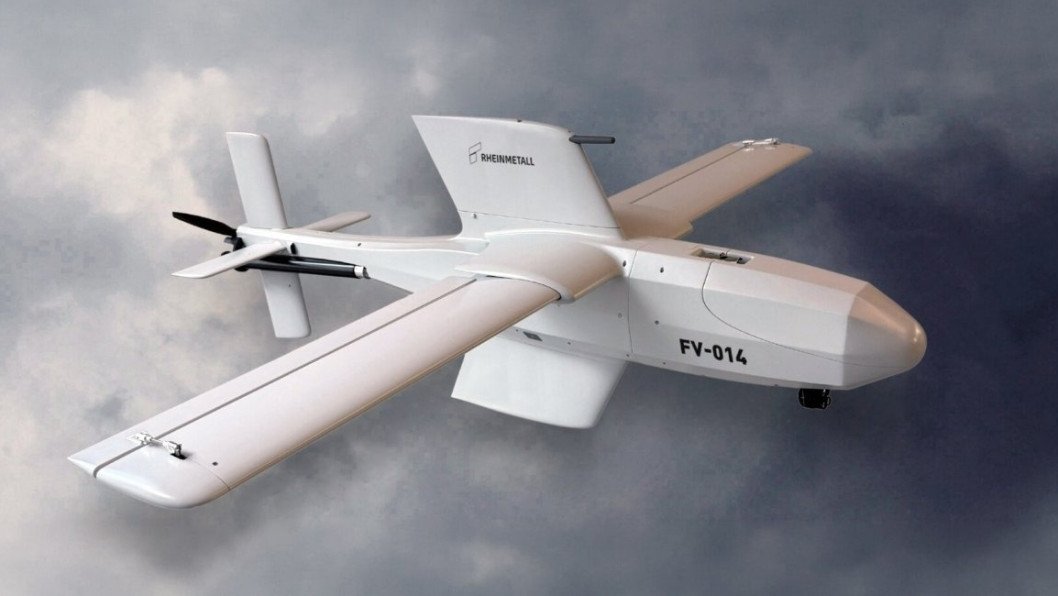
The issue extends beyond Sparkasse to institutions like Commerzbank and the neobank N26. When asked for comment, 12 out of 20 major banks stated they must comply with EU sanctions. Some pointed to the 19th package of sanctions and legal requirements.
While the European Commission has clarified that sanctions should not apply to Russians with EU residency or citizenship, the German Ministry of Finance stated that banks hold the primary responsibility for compliance. The Bundesbank noted that freezes occur both for sanctions compliance and to prevent money laundering.
Germany’s Federal Anti-Discrimination Agency stated that these practices are not considered direct discrimination under the law because citizenship is not a protected characteristic in this context. Legal experts suggest that banks are acting cautiously to avoid heavy fines.
Lawyer Hendrik Müller-Lankov explained that Russian citizenship is now viewed as a factor that significantly increases risk. Financial consultant Natalia Smirnova warned that even a second passport may not prevent these issues, as the place of birth remains visible to banks.
These financial restrictions within the European Union align with a broader trend of mounting economic pressure, as the long-term impact of international sanctions has begun to fundamentally reshape Russia's financial stability.
By early 2026, the liquid assets in Russia's National Wealth Fund had halved to approximately $45–50 billion. Economic growth, which had been driven primarily by military spending, no longer offset the significant losses occurring in the civilian sector.
Consequently, the civilian economy contracted for three consecutive quarters in 2025, signaling a recession where 70 out of 92 manufacturing sectors faced a decline. During this period, debt servicing in the federal budget doubled, and leading economic indicators suggested that the country was entering an active recession phase by the middle of 2026.
Discuss this article:


-3dc43d0d8b8ab0d7d00a1b4d64f1a3a5.jpg "The national flags of China and Russia flutter at Tian’anmen Square on May 19, 2026 in Beijing, China. (Source: Getty Images)")
-72b63a4e0c8c475ad81fe3eed3f63729.jpeg "Photo of Cyril Barabaltchouk")
-111f0e5095e02c02446ffed57bfb0ab1.jpeg "Photo of Roman Kohanets")