- Category
- War in Ukraine
After Ukraine’s Operation Spiderweb, the US Wants Container-Launched Drone Swarms Too
 Prefer U24 Media on Google
- Authors


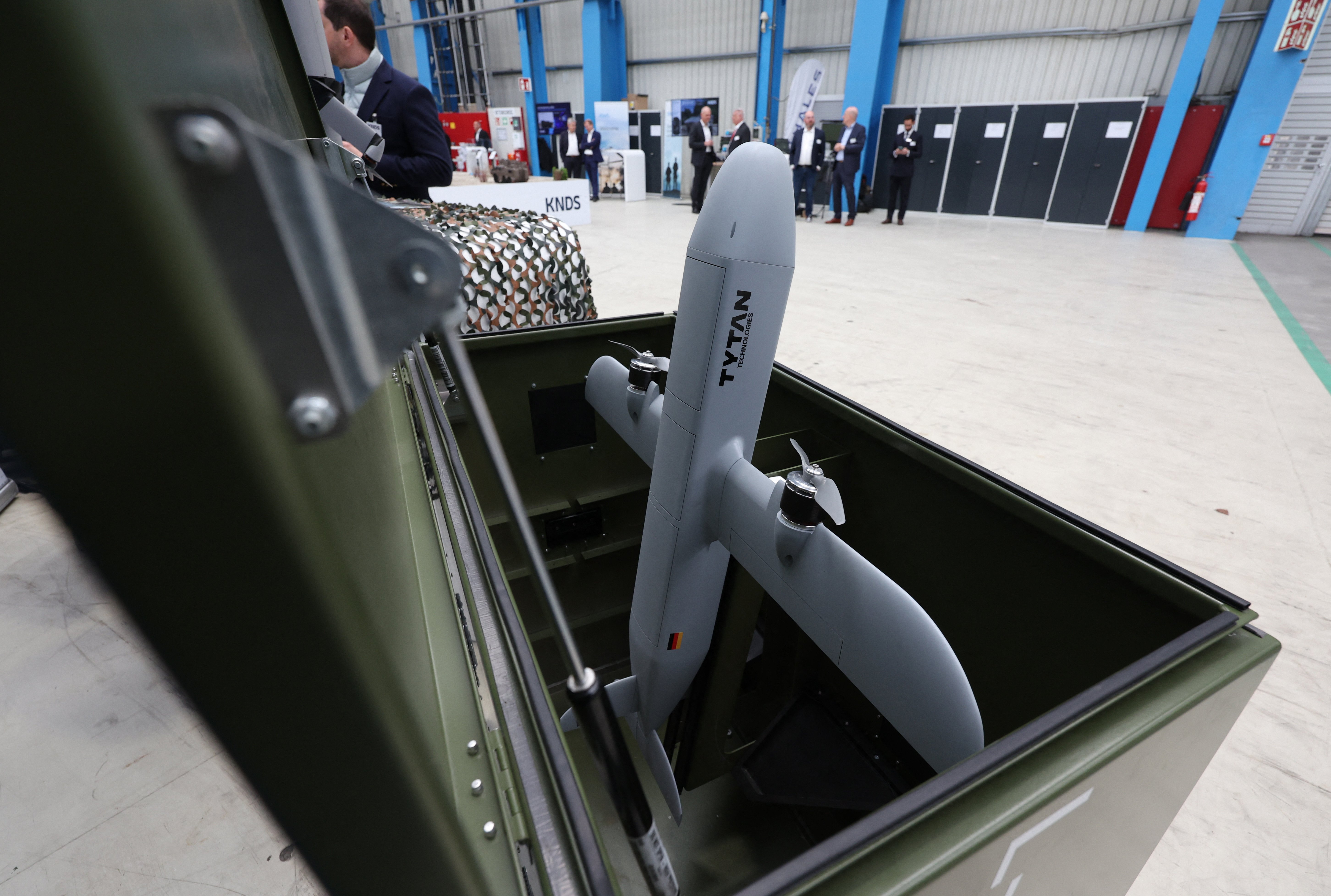
One of Ukraine’s boldest long-range operations against Russia may now be influencing future US military planning, as the Pentagon’s advanced research arm explores container-based autonomous drone swarm systems similar in concept to Ukraine’s Spiderweb operation, according to defense outlet The War Zone on May 9.
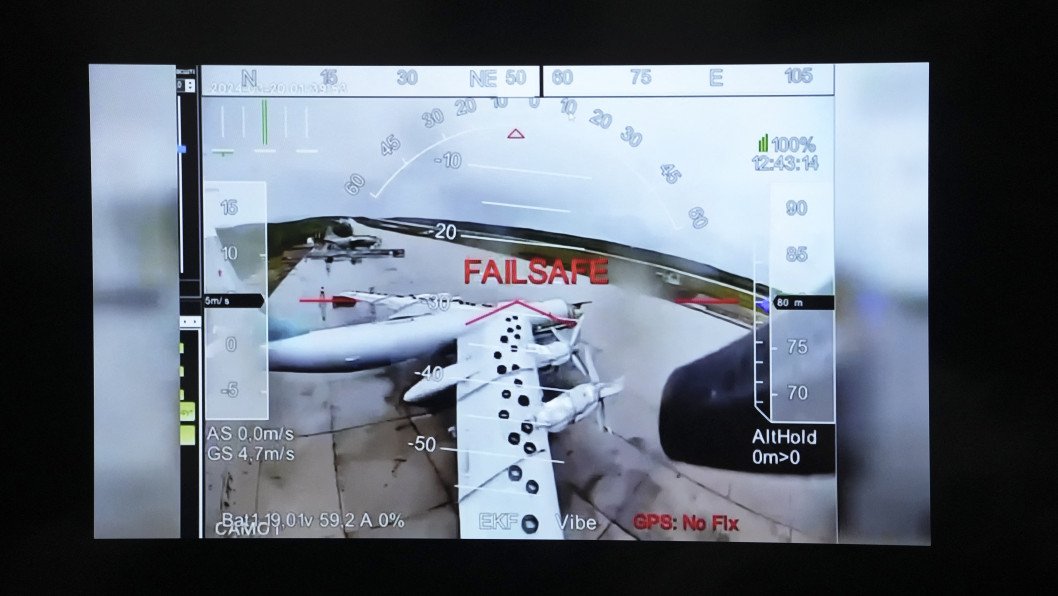
During Operation Spiderweb, carried out by the Security Service of Ukraine in June 2025, Ukrainian intelligence reportedly used civilian trucks carrying modified cargo containers packed with drones to strike Russian air bases located thousands of kilometers from Ukraine—including targets nearly 4,900 km away.
We bring you stories from the ground. Your support keeps our team in the field.
According to previously released information, the operation took around 18 months to prepare. Trucks carrying concealed drone swarms were reportedly moved close to Russian airfields before the tops of the containers opened, allowing the drones to launch directly toward their targets.
Ukrainian officials later claimed 41 Russian aircraft were hit in the coordinated attack.
Reports also indicated the trucks self-destructed after the launches to prevent Russian investigators from recovering technical details of the operation.
Now, the US Defense Advanced Research Projects Agency (DARPA) is seeking proposals for highly autonomous drones and remotely operated containerized launch-and-recovery systems capable of managing networked swarms of up to 500 drones simultaneously, according to The War Zone.
The concept outlined by DARPA reportedly focuses on autonomous “constellations” able to operate in GPS-denied environments while handling launch, recovery, maintenance, and coordination directly from self-contained mobile platforms.
The War Zone noted that such systems could potentially be deployed deep behind enemy lines or inside contested zones, drawing comparisons to Ukraine’s Operation Spiderweb strike.
The publication also referenced earlier concepts developed by Northrop Grumman, including modular container launch systems capable of deploying UAVs and missiles.
Ukraine’s approach, however, appeared significantly more discreet, relying on small drones hidden inside modified civilian-style containers rather than obvious military launchers—making detection substantially harder.
Earlier, reports emerged that recent drone incidents near US military facilities—combined with Ukraine’s battlefield experience—have prompted Washington to take a closer look at how well its own defense infrastructure is protected against unmanned aerial threats.
The appearance of unidentified drones over US defense sites, along with Ukraine’s successful long-range drone operation Spiderweb against Russian military aviation, has pushed American defense planners to reassess assumptions about domestic base security.
Discuss this article:
-4a56a6b482ec132402c16ef6fcabf9a2.png)


-29a1a43aba23f9bb779a1ac8b98d2121.jpeg "Photo of Illia Kabachynskyi")

-72b63a4e0c8c475ad81fe3eed3f63729.jpeg "Photo of Cyril Barabaltchouk")
-37d0c4e589b794d453938c254fb3d00d.png "Comoros-flagged tanker KHORYV, Dnipro city, Ukraine, 2021.")