- Category
- World
Netherlands Reignites Debate Over €210 Billion in Frozen Russian Funds for Ukraine
 Prefer U24 Media on Google
- Authors

-72b63a4e0c8c475ad81fe3eed3f63729.jpeg "Photo of Cyril Barabaltchouk")
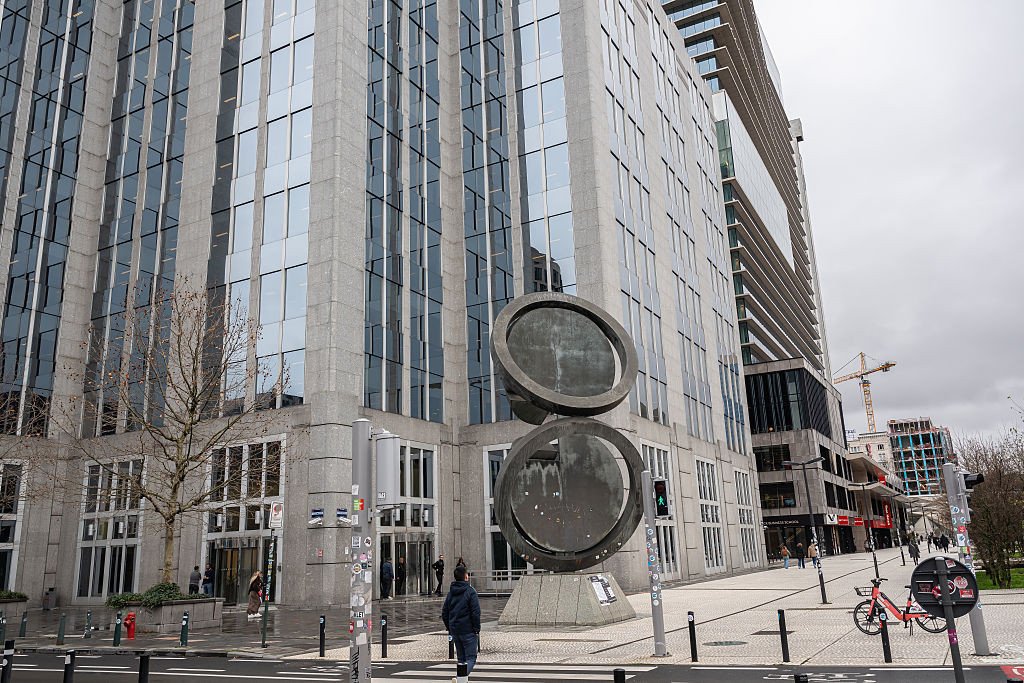
The Netherlands is seeking to restart European Union negotiations on using up to €210 billion ($227 billion) in frozen Russian assets to fund Ukraine’s defense into next year, Politico reported on May 7, citing EU diplomats and officials.
Dutch Finance Minister Eelco Heinen canvassed support for the move during a closed-door meeting of EU finance ministers in Brussels on May 5. The initiative received immediate backing from Estonia, Latvia, Lithuania, and Finland, as Northern European countries push to leverage the Russian funds rather than issuing new joint EU debt to support Kyiv.
We bring you stories from the ground. Your support keeps our team in the field.
The revived initiative comes as the EU prepares to disburse a €90 billion ($97 billion) loan agreed upon by 24 member states last December. The first tranche from this year’s €45 billion ($48.5 billion) allocation is expected in June. The payout was unblocked after Hungary formally withdrew its veto following Péter Magyar’s recent national election victory over Viktor Orbán, Politico wrote.
However, the €90 billion ($97 billion) lifeline is only projected to cover two-thirds of Kyiv’s budget shortfall through 2027. Current EU financial forecasts assume the war will end this year—a scenario widely considered unrealistic by diplomats. The International Monetary Fund is expected to provide updated estimates on Ukraine’s long-term financial needs following a June mission to Kyiv.
Reviving the asset seizure debate risks reigniting a severe political and legal standoff within the bloc. Late last year, Belgian Prime Minister Bart De Wever blocked European Commission efforts to use the cash value of the assets, demanding the EU provide unlimited financial insurance against potential Russian retaliation, Politico noted.
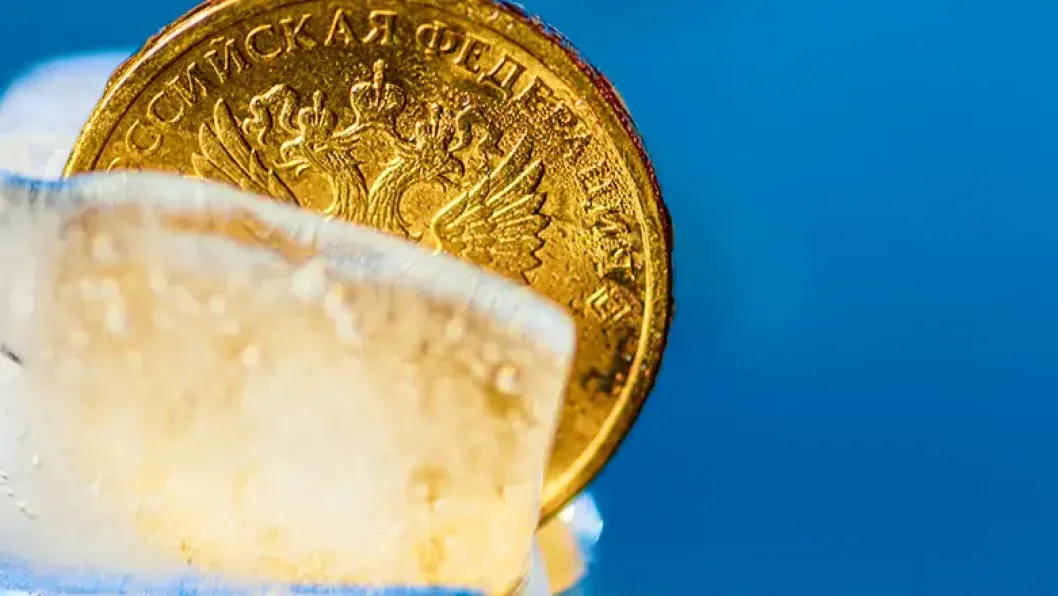
Approximately €185 billion ($200 billion) of the frozen Russian state assets are held by the Brussels-based financial depository Euroclear.
Bulgaria, France, Italy, Malta, and the European Central Bank have also previously expressed strong reservations, warning that tapping the immobilized funds could trigger legal challenges and deter other global governments from doing business in the eurozone.
The hesitation among some EU nations stems partly from Moscow’s legal retaliation earlier. The Russian Central Bank had previously sued Euroclear in Moscow, seeking damages over the immobilized funds.
Despite these threats, the EU continues to solidify its hold. Ambassadors recently approved an indefinite freeze on Russian state assets, altering procedures so the freeze only requires a qualified majority to maintain—effectively bypassing potential vetoes from member states like Hungary.
Discuss this article:
-9bd5e1532102621f8fb1c4ba871a3171.png)


-c439b7bd9030ecf9d5a4287dc361ba31.jpg "Photo of Katherina Popilnichenko")