- Category
- World
Romania Parliament Lower House Backs Unification Bill With Moldova
 Prefer U24 Media on Google
- Authors

-c439b7bd9030ecf9d5a4287dc361ba31.jpg "Photo of Katherina Popilnichenko")
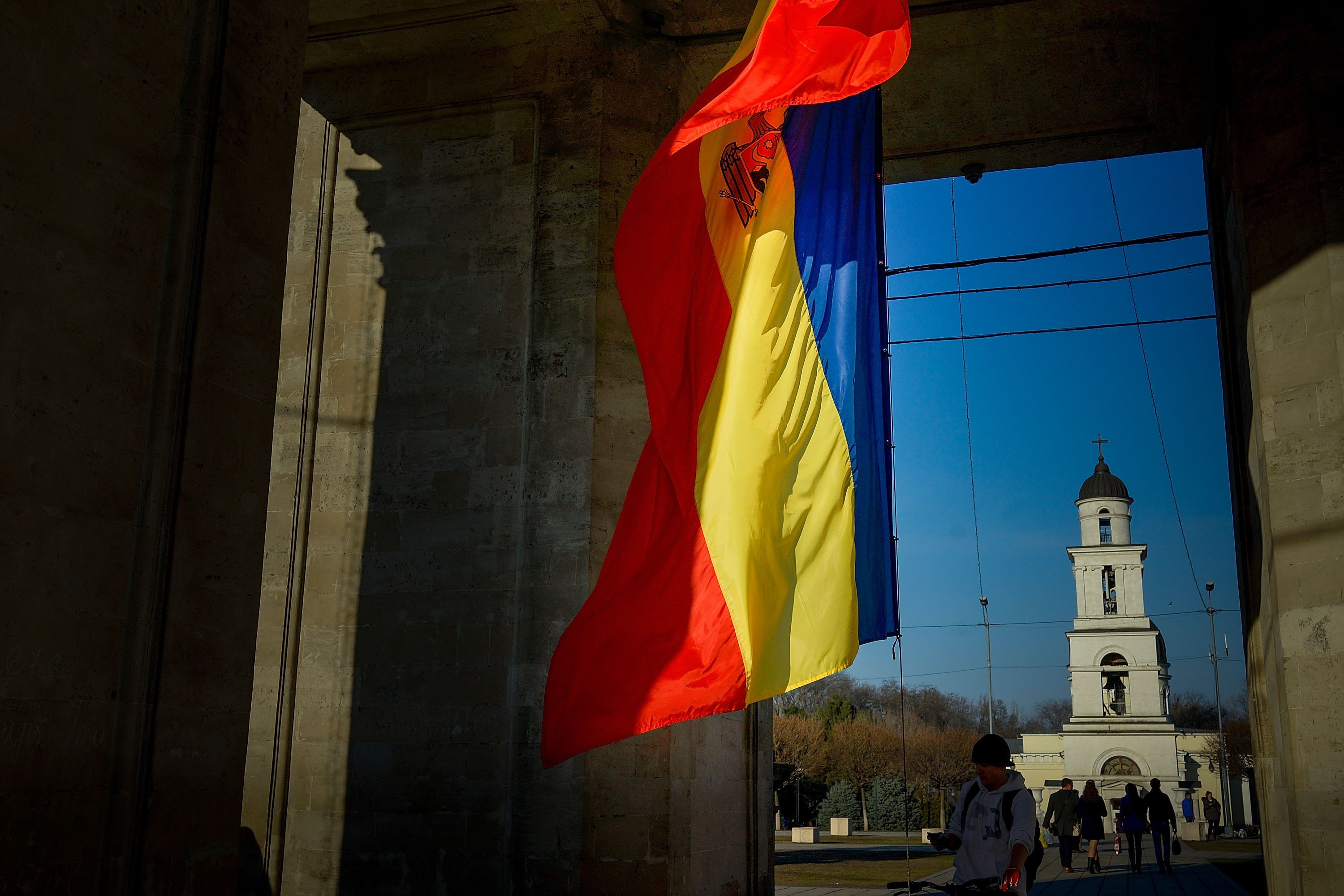
The Chamber of Deputies, the lower house of the Romanian parliament, has approved a bill regarding the unification of Romania and Moldova.
The legislative initiative, originally introduced in February by Member of the European Parliament Diana Șoșoacă, advanced through a procedural mechanism known as "tacit adoption ," according to Digi24 on June 24.
We bring you stories from the ground. Your support keeps our team in the field.
Under parliamentary regulations, any draft legislation that is not formally debated or rejected in a plenary session within 45 days is automatically considered approved. The bill is not yet final, as it has now been sent to the Senate, the upper house of the Romanian parliament, for further consideration.
The concept of a merger between the two nations has received high-level political backing in Chișinău. In January 2026, Moldovan President Maia Sandu stated that she would vote in favor of unification with Romania if the proposal were put to a national referendum. "It is becoming increasingly difficult for a small country like Moldova to survive as a democratic, sovereign state and resist Russia," Sandu stated, explaining her position.
Against this backdrop, Chișinău has consistently taken measures to sever its post-Soviet ties and move closer to the European Union. In April 2026, the Moldovan parliament passed the final readings of laws to denounce the Agreement on the Creation of the CIS and the Commonwealth Charter, citing Russia’s violation of the principles of territorial integrity and the inviolability of borders as the primary motivation.
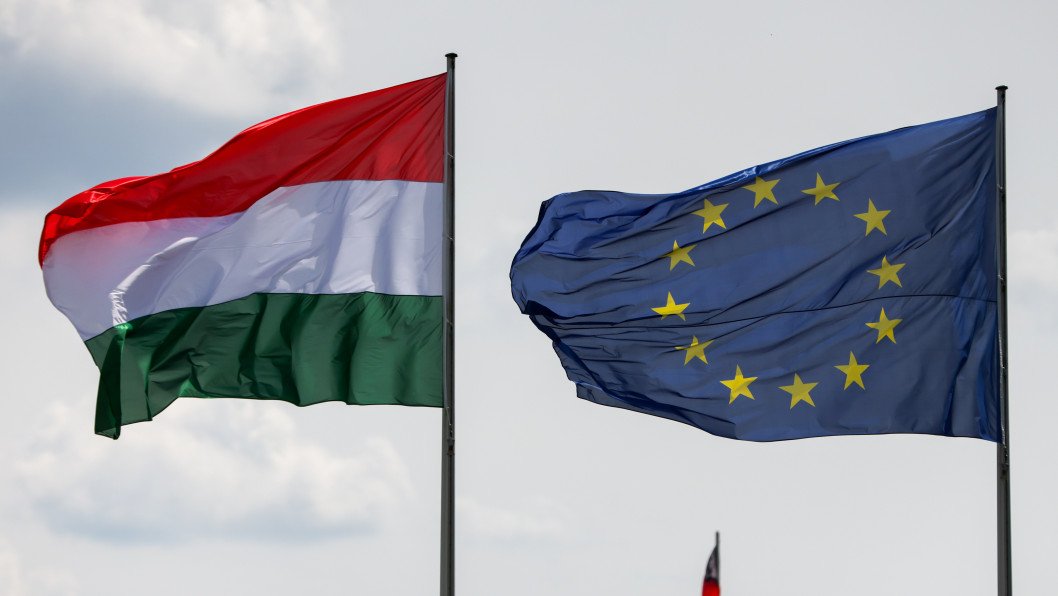
Moldova initially applied for EU membership in 2022, and in 2024, a majority of citizens supported European integration during a national referendum. At that time, Maia Sandu was re-elected for a second term, and her Action and Solidarity party maintained its constitutional majority in parliament following elections in September 2025.
Following the simplified passport decree issued by Vladimir Putin, Moscow escalated its rhetoric toward Chișinău regarding the breakaway region of Transnistria. Russian Foreign Ministry spokesperson Maria Zakharova threatened Moldova with an immediate and adequate response, using all necessary means, to any actions targeting Russian citizens in the territory.
While Moscow claimed the accelerated passport policy was designed to protect human rights, Moldovan President Maia Sandu rejected this narrative, stating that the Kremlin was attempting a covert mobilization of the local population to bolster its forces in Russia’s full-scale invasion of Ukraine.
Sandu further emphasized that Moscow was using the policy to exert political pressure on Chișinău, noting that the vast majority of the region's 350,000 residents had instead chosen to obtain Moldovan passports since the start of the full-scale invasion.
Discuss this article: