- Category
- World
Russia-China “Power of Siberia-2” Pipeline Talks Deadlock After a Decade
 Prefer U24 Media on Google
- Authors

-72b63a4e0c8c475ad81fe3eed3f63729.jpeg "Photo of Cyril Barabaltchouk")
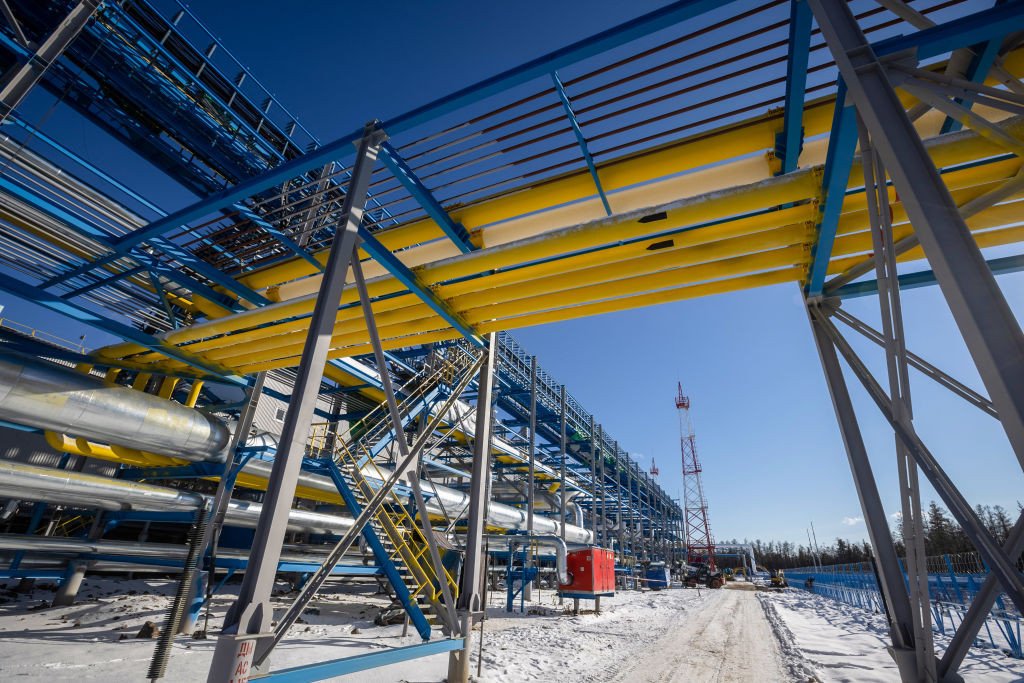
More than a decade of negotiations between Russia and China over the proposed “Power of Siberia-2” gas pipeline have hit a complete deadlock, The Wall Street Journal reported on July 13.
Issues arose after Beijing demanded steep price discounts comparable to Russia’s heavily subsidized domestic market.
During Putin’s recent Beijing visit, Chinese officials reportedly told the Russian delegation to drop the pipeline issue until market conditions change.
We bring you stories from the ground. Your support keeps our team in the field.
Sources familiar with the negotiations told The Wall Street Journal that the Russian team “hit a wall” as Beijing de facto demanded that Moscow heavily subsidize the transit project. China is willing to sign the deal only if the gas is priced at domestic Russian levels, which hover around $50 per thousand cubic meters.
According to financial projections cited by The Wall Street Journal, this pricing stance comes even though China already receives substantial discounts on Russian pipeline gas. This year, Beijing pays $258.8 per thousand cubic meters—39% less than Gazprom’s other long-distance foreign clients, who pay an average of $420.2.
According to internal Russian Ministry of Economic Development forecasts, the pricing for Chinese imports is slated to drop further to $223.9 per thousand cubic meters next year, maintaining a 34% discount. Despite these existing concessions, China is demanding a price that is five times lower than current export levels and eight times cheaper than rates paid by Russia’s remaining international customers.
The impasse challenges previous public declarations from Moscow regarding bilateral energy cooperation. In September 2025, following a bilateral summit, Putin and Gazprom Chief Executive Alexey Miller announced the signing of a “legally binding memorandum” to pave the way for the pipeline’s construction, which is meant to redirect gas from West Siberian fields that previously supplied the lucrative European market.
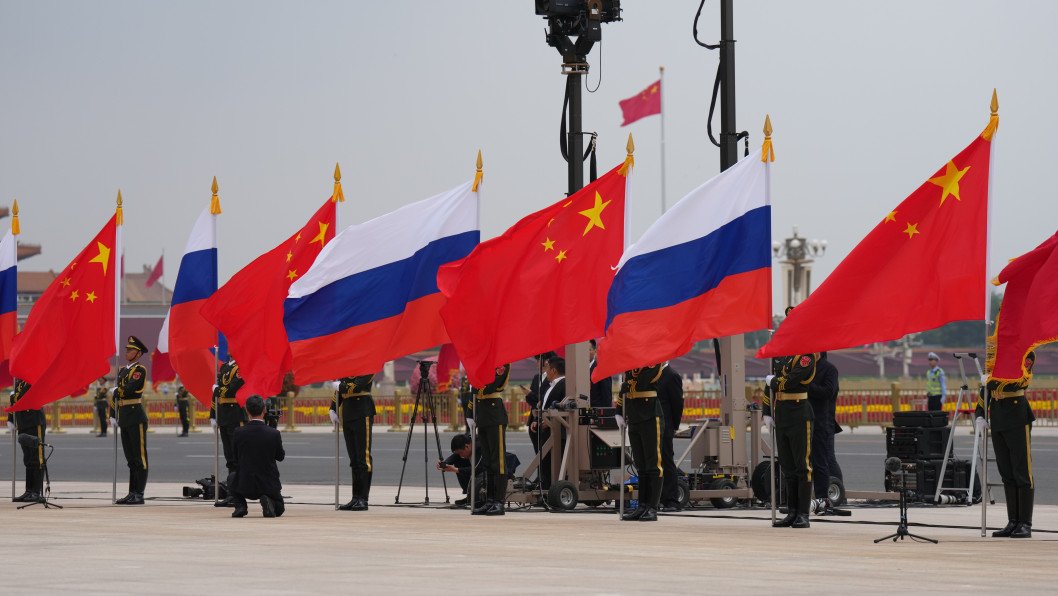
However, The Wall Street Journal highlighted that Beijing never officially confirmed the memorandum’s binding nature. Furthermore, out of the 42 bilateral agreements signed during Putin’s visit to Beijing, the “Power of Siberia-2” pipeline was conspicuously absent, with no mention of gas cooperation in the official documentation.
Market analysts suggest that Beijing’s reluctance is rooted in both strategic diversification and shifting energy dynamics. Jörg Wuttke, a partner at the DGA Group in Washington, pointed out to The Wall Street Journal that China has access to ample global natural gas supplies and expects its import demand to peak by the mid-2030s. “Why would they bind themselves to a pipeline that will take six years to build, and then increase their dependence on Russia when they can get gas from any other country?” Wuttke explained.
Consequently, the prevailing strategy in Beijing appears to be to stall for time rather than rush into a binding bilateral deal. Alexander Gabuev, the director of the Carnegie Russia Eurasia Center, told The Wall Street Journal that Chinese leadership will likely prefer to “marinate” Putin until Moscow’s economic leverage deteriorates completely. According to Gabuev, Beijing’s long-term plan is to “wait until the economic situation in Russia deteriorates even further, when Russia is truly on its knees, to sign on terms that will be beneficial to China.”
While public economic negotiations face bottlenecks, covert military-technical cooperation between Moscow and Beijing reportedly continues to deepen behind closed doors. Bilateral documents from clandestine forums have previously exposed a reported joint strategic plan to disable the Starlink satellite network alongside a high-tech partnership to co-develop hypersonic missile defenses and autonomous AI-driven drones, illustrating a highly transactional exchange of Russian frontline combat data for advanced Chinese electronics.
Discuss this article:



-c439b7bd9030ecf9d5a4287dc361ba31.jpg "Photo of Katherina Popilnichenko")


-111f0e5095e02c02446ffed57bfb0ab1.jpeg "Photo of Roman Kohanets")