- Category
- World
Russia Coerces Entering Moldovan Citizens to Sign Military Contracts at Border Checkpoints
 Prefer U24 Media on Google
- Authors

-c439b7bd9030ecf9d5a4287dc361ba31.jpg "Photo of Katherina Popilnichenko")
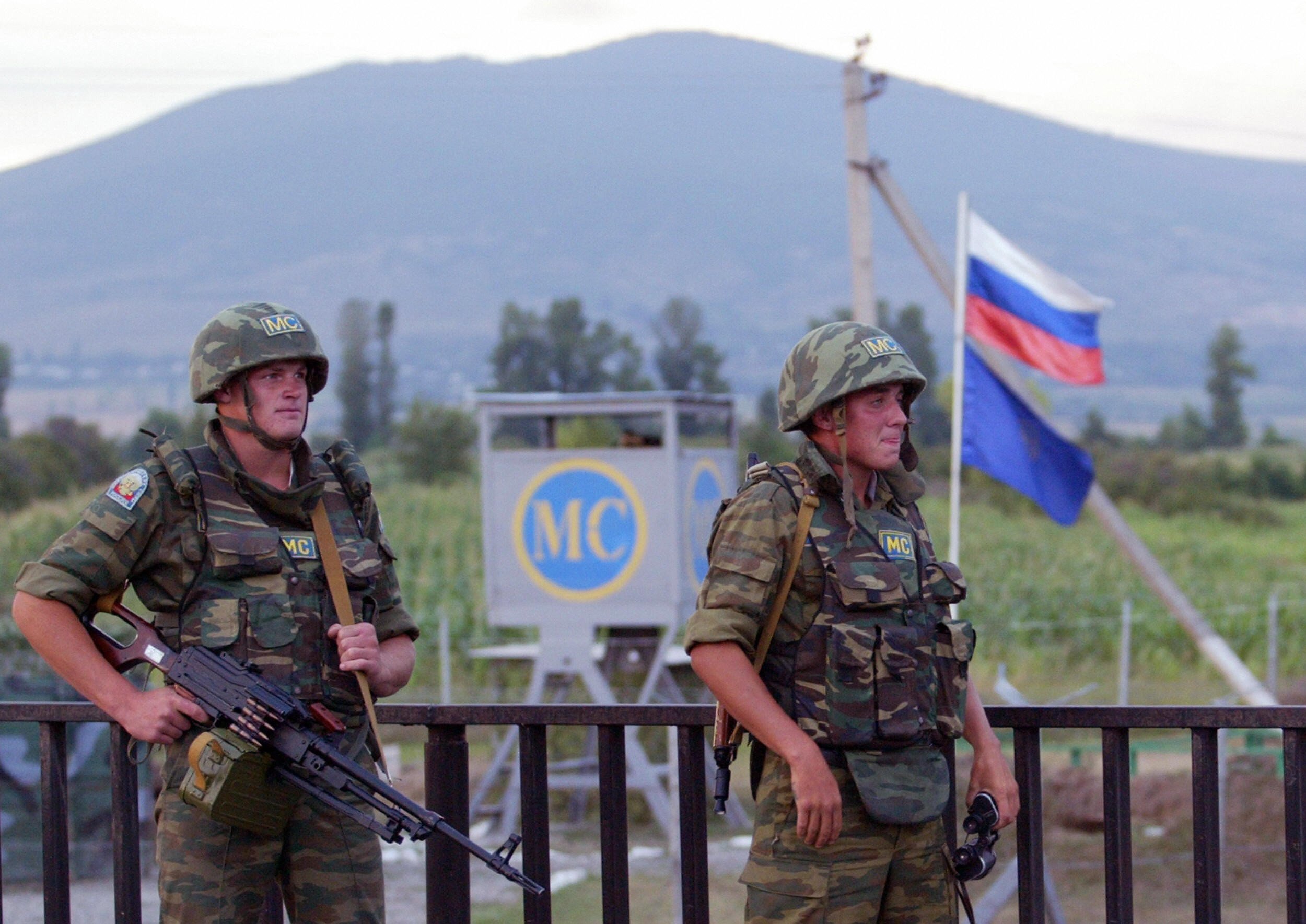
Moldovan citizens trying to enter Russia are facing intense interrogations and pressure to sign military contracts with the Russian Defense Ministry, according to the Moldovan Ministry of Foreign Affairs on July 6.
Border guards are targeting men aged 18 to 60, people traveling alone, individuals holding newly issued passports, and those who have previously traveled to Ukraine or hold Russian citizenship.
We bring you stories from the ground. Your support keeps our team in the field.
The ministry stated that these travelers are held for 3 to 12 hours, forced to undergo polygraph tests, and coerced into providing access to their personal electronics while their identification documents are confiscated.
The ongoing border detentions represent a deliberate escalation by Russian authorities to replenish forces following Russia's full-scale invasion of Ukraine. Moldovan officials reported that individuals who refuse to comply with these demands face entry bans or administrative penalties, including arrest.
Moldovan President Maia Sandu previously stated that this policy is a direct effort by the Kremlin to recruit soldiers amid high battlefield losses and a declining number of voluntary contractors, according to The Moscow Times.
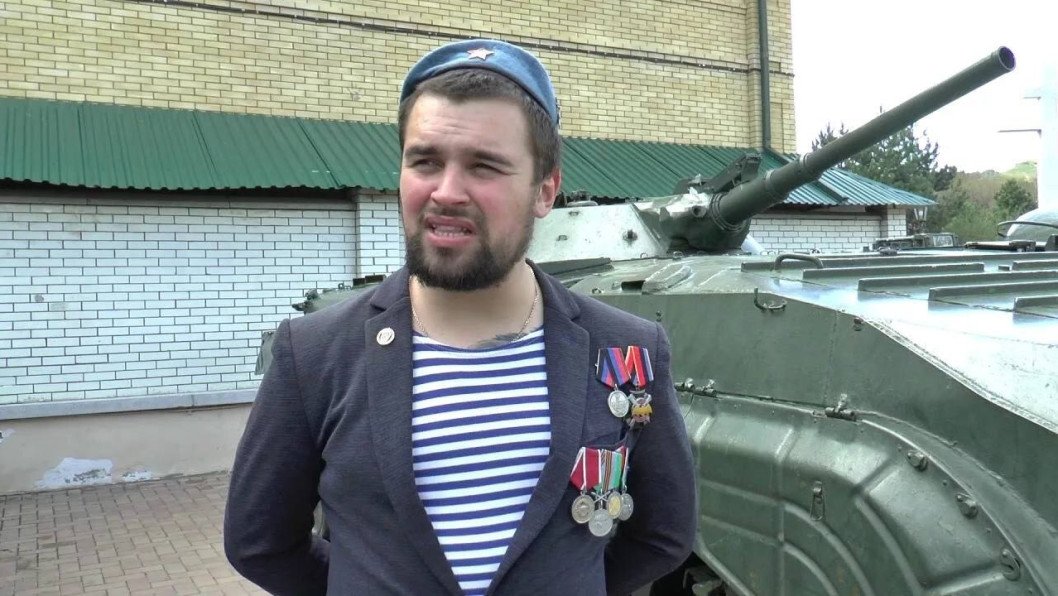
Sandu noted that since the beginning of Russia's full-scale invasion of Ukraine, a significant portion of Transnistria’s population has chosen to secure Moldovan passports, seeking the safety and legal protections offered by Moldovan citizenship over a Russian alternative.
Transnistria is a narrow strip of land populated by approximately 350,000 people, located between the Dnister River and the Ukrainian border. While the territory is internationally recognized as part of Moldova, it has functioned as a self-proclaimed, separate entity since an armed standoff with Chisinau in the early 1990s.
Previously, Russian Foreign Ministry spokesperson Maria Zakharova threatened Moldova with an immediate military response to any actions targeting Russian citizens in the breakaway region of Transnistria, where Russian troops had remained deployed since 1992.
The warning followed a May 15 decree issued by Vladimir Putin that simplified the Russian passport acquisition process for individuals living in the unrecognized state.
Maia Sandu rejected Moscow's humanitarian justification for the policy, stating that the Kremlin was attempting to carry out a hidden mobilization of the local population to boost its forces in Russia’s full-scale invasion of Ukraine.
Discuss this article:



-72b63a4e0c8c475ad81fe3eed3f63729.jpeg "Photo of Cyril Barabaltchouk")