- Category
- World
US Warns Warsaw of Potential Russian Armed Provocation on Polish Territory
 Prefer U24 Media on Google
- Authors


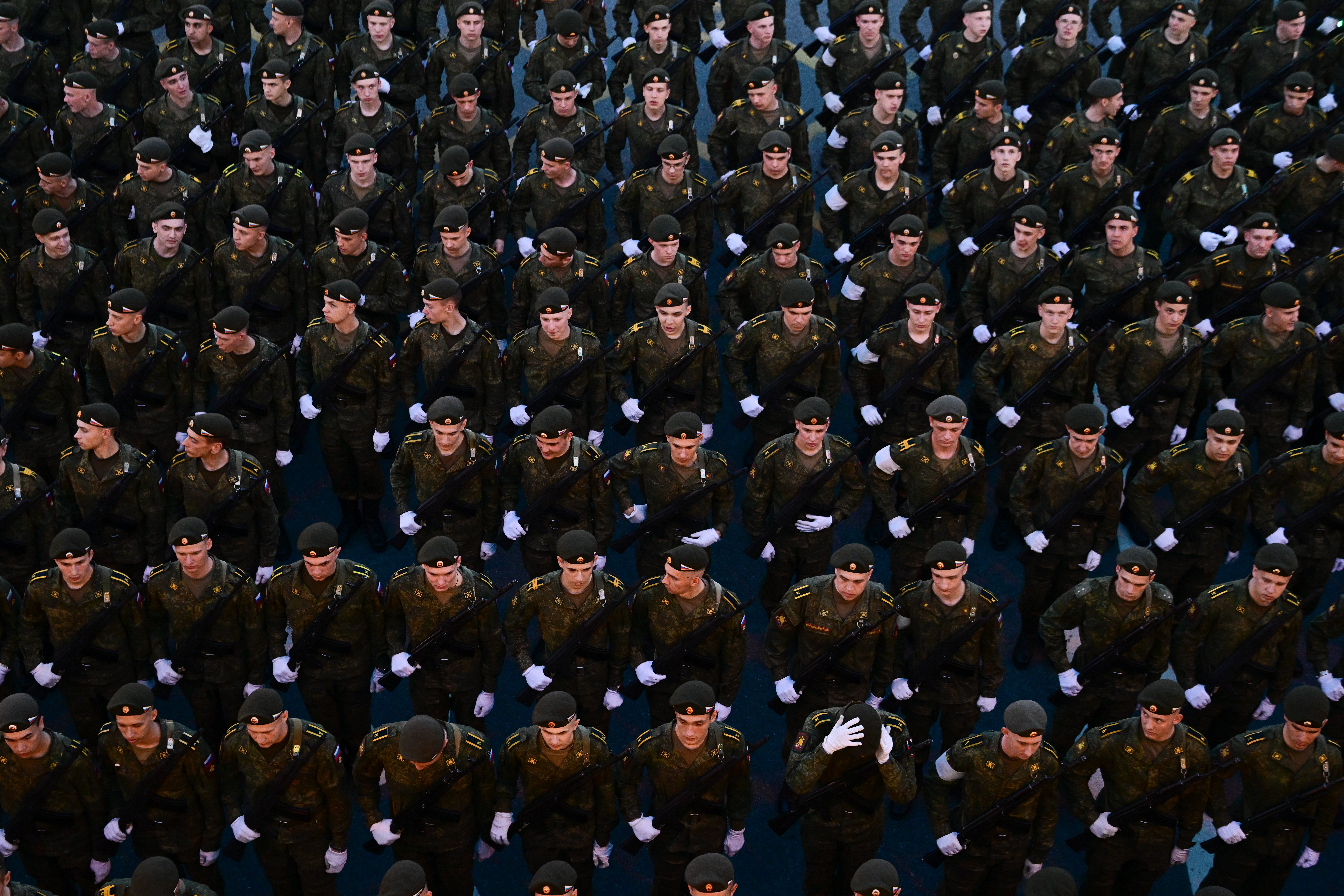
Russia is preparing a potential armed provocation on Polish territory aimed at testing NATO's resolve and weakening Western support for Ukraine, according to a report by The Telegraph, citing Polish outlet Onet and sources familiar with the matter.
According to sources close to Polish President Karol Nawrocki, Washington has delivered several warnings to Warsaw about the alleged plans. The reported objective would be to escalate tensions within the Alliance and potentially pressure Western governments into reducing or suspending military assistance to Ukraine.
We bring you stories from the ground. Your support keeps our team in the field.
Sources cited by Onet said such a provocation could take place within months.
The reported scenarios include missile or drone strikes targeting Poland's critical infrastructure, such as power facilities, as well as limited incursions by Russian personnel into NATO territory. Polish security officials cited by the outlet have not ruled out the possibility of Russian or Belarusian soldiers deliberately crossing the border in what Moscow could later portray as an accident.
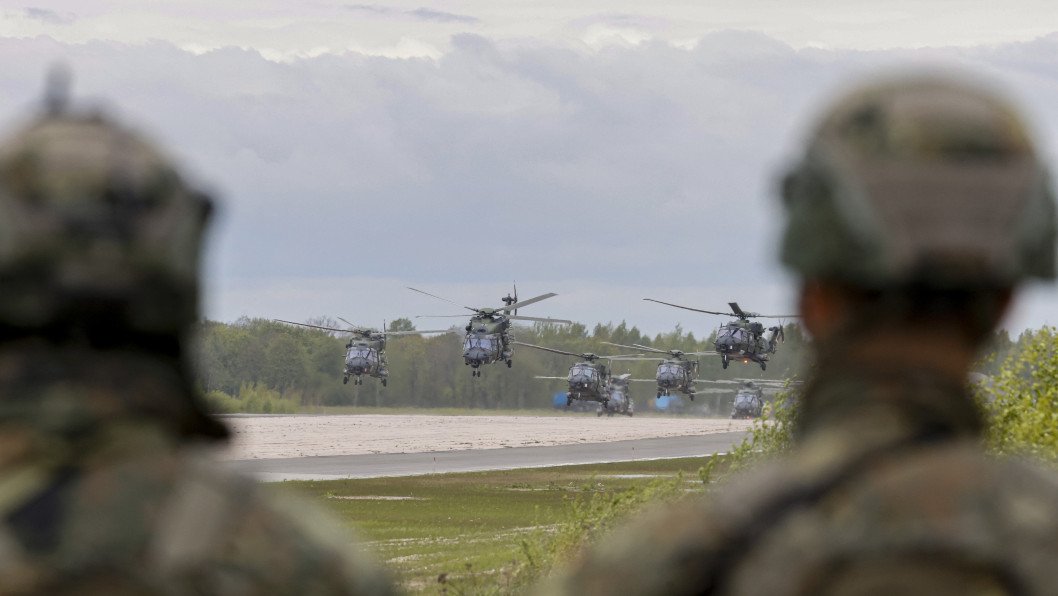
According to one Polish intelligence source cited by Onet, the most extreme scenario would involve a “hybrid attack in the border region.” Another possibility discussed by security officials would see Russian or Belarusian troops enter Polish territory under the pretext of navigation errors caused by GPS disruption or a purported rescue mission involving a malfunctioning military helicopter.
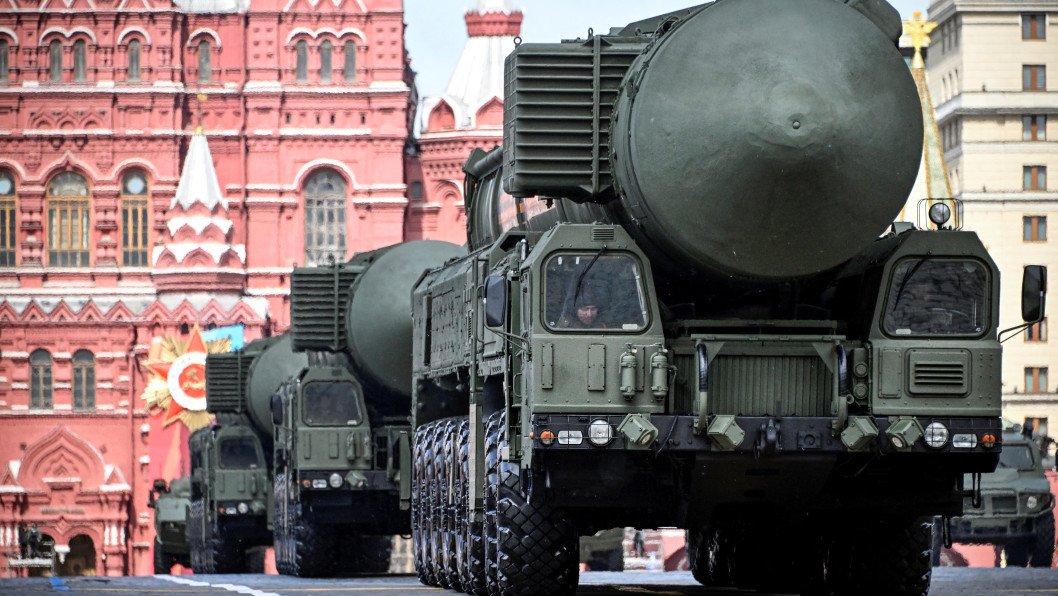
According to the report, Moscow could expect that Poland would refrain from using force and instead be pressured by its allies, particularly the United States, to seek negotiations rather than respond militarily.
Polish sources told Onet that if Russian forces subsequently withdrew following negotiations instead of military action, the Kremlin could present the outcome as a political victory. They added that Russia could seek concessions during such talks, including demands for an end to Western military support for Ukraine.
A second source, described as Poland's ambassador to one of its NATO allies, reportedly also assessed that a provocation targeting either Poland or one of the Baltic states represents a serious risk. Similar assessments were reportedly shared by a source within Poland's Ministry of National Defense and by a Baltic security official, who told The Telegraph that such scenarios are being discussed in Moscow.
According to the report, Russia could subsequently attempt to shift responsibility for any such incident onto Ukraine.
Security officials cited by the publication believe any ground-based operation could originate either from Russia's Kaliningrad exclave, which borders Poland and hosts significant Russian military assets, including nuclear-capable systems, or from neighbouring Belarus.
The reported scenario reflects a broader coercive strategy in which limited military aggression is used not primarily to seize territory, but to extract political concessions from an adversary.

Similar dynamics have appeared in past European conflicts, including the Munich Agreement, where the threat of force resulted in territorial concessions without direct military resistance, and the Winter War, in which the Soviet Union secured territorial gains through negotiations after military operations.
At the same time, Poland's Foreign Intelligence Agency is assessing scenarios in which Russia could attempt to destabilize the Baltic states by deploying unidentified military personnel—the so-called “little green men” tactic first used during Russia's seizure of Crimea in 2014.
Discuss this article:
-4a56a6b482ec132402c16ef6fcabf9a2.png)


-111f0e5095e02c02446ffed57bfb0ab1.jpeg "Photo of Roman Kohanets")

-a0d157e1f6f04033b54a1b71f05dabe3.jpg "Russia’s Military Is Expanding Across Africa. Suspiciously, So Is Its Church")