- Category
- World
Polish Intel Warns Russia Could Use Unmarked Troops Against Baltic States
 Prefer U24 Media on Google
- Authors

-111f0e5095e02c02446ffed57bfb0ab1.jpeg "Photo of Roman Kohanets")
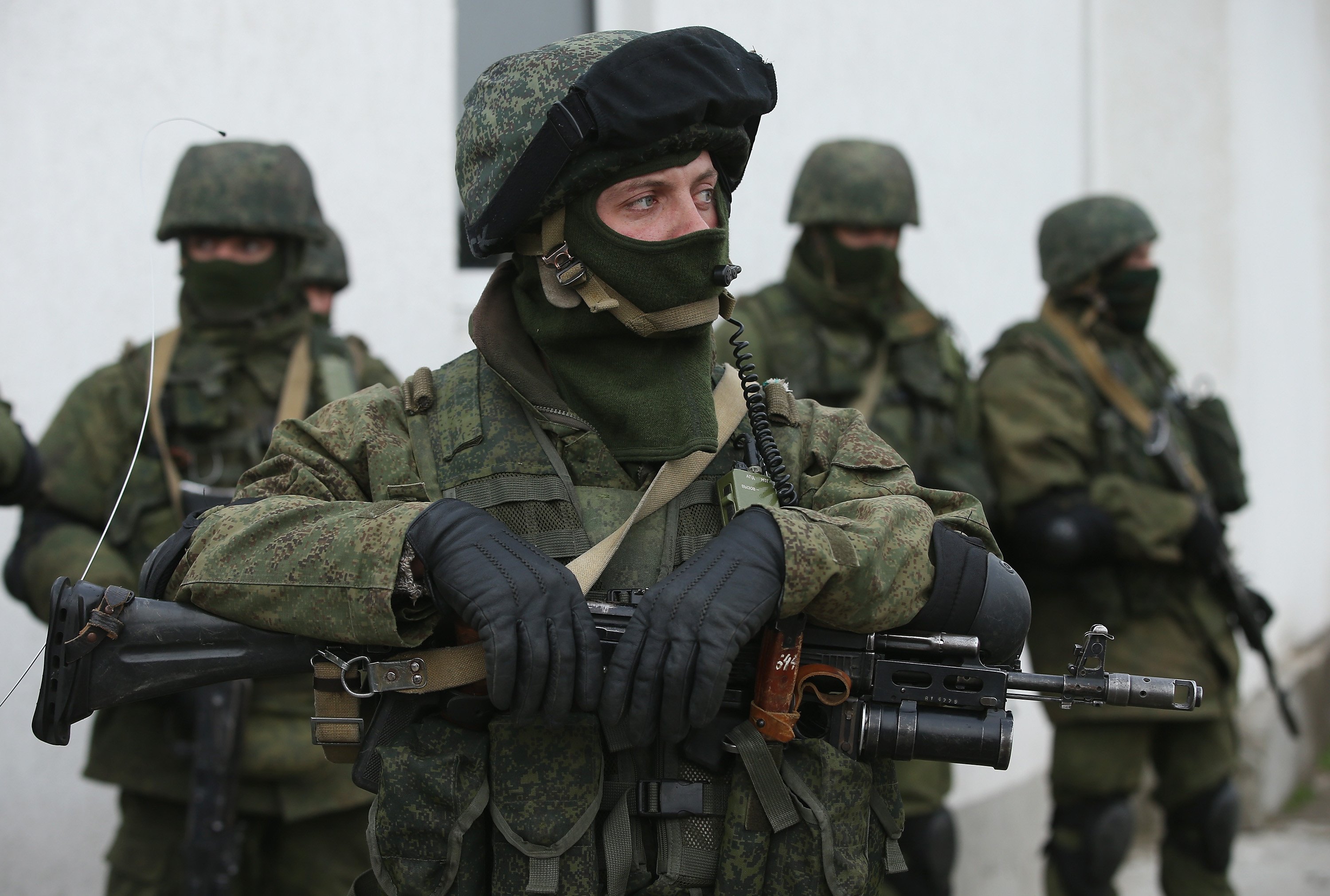
Poland's Foreign Intelligence Agency is weighing scenarios in which Russia stages provocations against the Baltic states using unmarked troops— the "little green men" tactic Moscow first used to seize Crimea in 2014—its head, Colonel Paweł Szota, has warned.
Szota outlined the assessment in his first interview with the Polish media outlet Rzeczpospolita on June 29.
We bring you stories from the ground. Your support keeps our team in the field.
He described the military threat to Poland as real and direct, originating above all from Russia, which he stated views Poland and NATO's eastern flank as an obstacle to its imperial ambitions.
Such a move would replay the covert playbook Russia ran in 2014, this time against members of NATO, testing whether the Alliance's mutual-defense guarantee holds.
A Swedish parliamentary defense committee has separately cautioned that Russia could strike a NATO state relatively soon, precisely to probe allied resolve and the strength of the Article 5 collective-defense pledge.
Szota noted that Russia systematically shifts its red lines to gauge NATO's reaction, and that the low cost of these provocations, met mainly by political responses, only invites more.
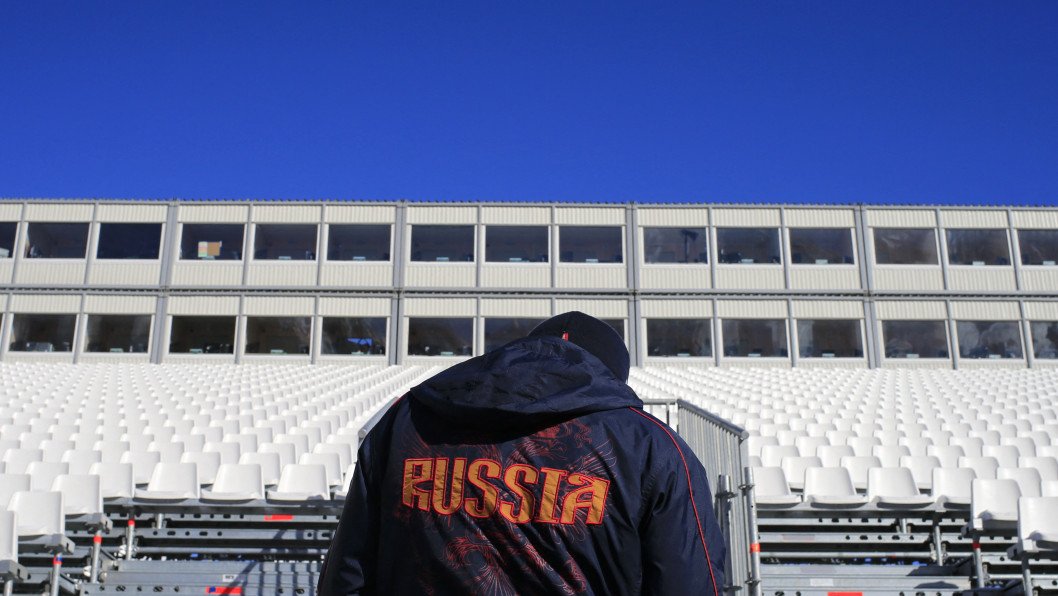
"Russia systematically moves red lines, testing NATO's reaction. The cost of such provocations for Moscow is low, and the Alliance reacts mainly politically, which encourages further escalation," he stated.
In his view, the Russian leader, Vladimir Putin, has become a hostage to his own failure in Ukraine and is being driven toward escalation rather than away from it.
Russia can sustain the war for several more years, Szota assessed, with the Kremlin prepared to sacrifice the economy and public welfare to end it on terms it can call a victory.
The "little green men" were Russian soldiers stripped of insignia and national markings, deployed during the seizure of Crimea and the fighting in Donbas so that Moscow could deny any direct involvement.
Polish intelligence now treats a comparable, deniable operation against the Baltics as a contingency it must actively plan for.
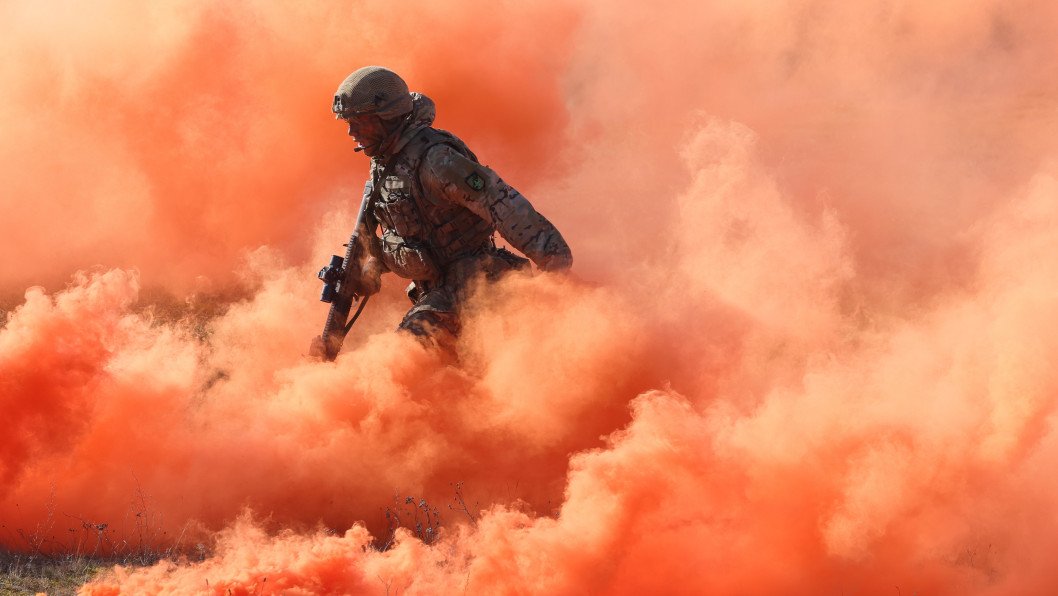
Szota linked the warning to Russia's tightening grip on Belarus, pointing to new installations there capable of hosting nuclear-delivery systems, including the Oreshnik, alongside ongoing nuclear exercises.
He stressed that Poland would not remain passive, indicating that the agency has instruments for offensive action, including in cyberspace.
This pattern of pressure has already begun reaching NATO's eastern flank. Allied governments have warned that Russian hybrid attacks are set to grow in number and intensity, especially in allied airspace, and have spent recent months drafting a coordinated response.
In one set of cases, Russian electronic warfare deliberately rerouted Ukrainian drones across the border into Baltic states.
Discuss this article:
-4a56a6b482ec132402c16ef6fcabf9a2.png)




-c439b7bd9030ecf9d5a4287dc361ba31.jpg "Photo of Katherina Popilnichenko")