- Category
- Latest news
Top NATO Admiral Warns Russian Imperial Ambitions Extend to Former USSR Borders
 Prefer U24 Media on Google
- Authors

-72b63a4e0c8c475ad81fe3eed3f63729.jpeg "Photo of Cyril Barabaltchouk")
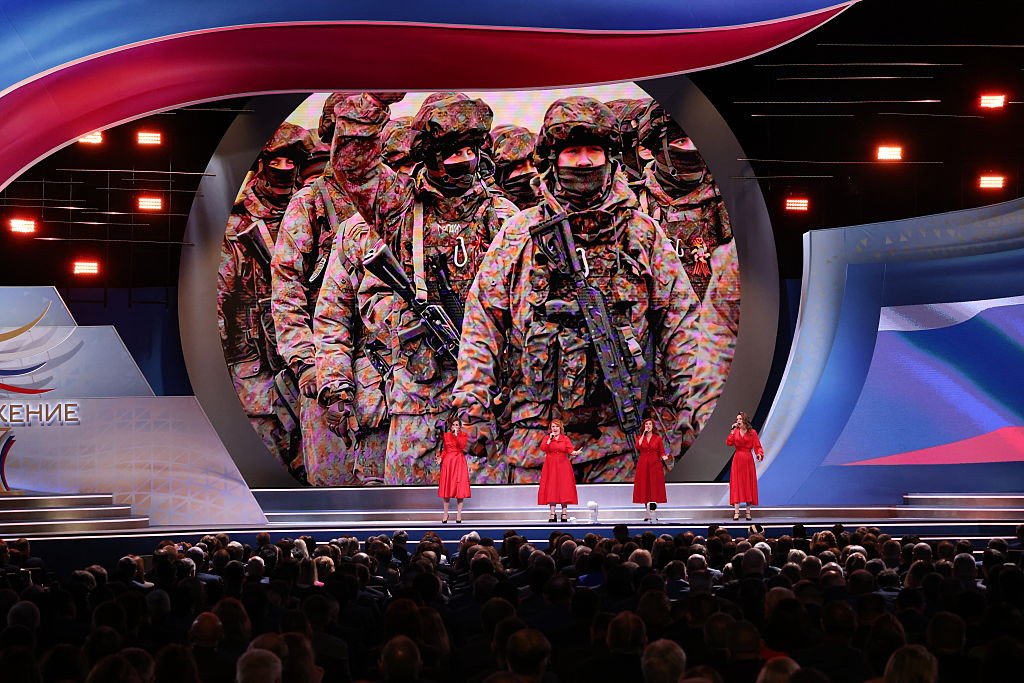
Russia remains NATO’s number one threat, driven by imperial ambitions to reclaim former USSR states, Admiral Giuseppe Cavo Dragone, the top military official of the alliance’s Military Committee, confirmed in an interview with RBC.ua on April 27.
NATO assesses that Moscow’s imperial ambitions extend far beyond the Baltic states. With Russia aiming to regain control over territories it held before the collapse of the Soviet Union, the alliance is adopting a 360-degree defense posture covering the Arctic, the East, and the South.
We bring you stories from the ground. Your support keeps our team in the field.
These imperial ambitions are not theoretical. Since the collapse of the Soviet Union in 1991, Moscow has systematically worked to erode the sovereignty of its newly independent neighbors through hybrid warfare and direct military intervention. Russia has already achieved significant strategic control over Belarus, effectively absorbing it through political integration and using its territory as a staging ground for the 2022 full-scale invasion of Ukraine.
In Moldova, the Kremlin continues to deliberately destabilize the country by stationing Russian troops in the unrecognized breakaway region of Transnistria. Similarly, Russia maintains a military occupation of roughly 20 percent of Georgia following its 2008 invasion, heavily militarizing the breakaway regions of South Ossetia and Abkhazia.
Admiral also highlighted the important military lessons NATO is learning from the battlefields in Ukraine and Iran.
According to RBC.ua, he emphasized that European nations are actively increasing their investments following the Hague summit, aiming for an eventual defense spending target of 5% of GDP.
Dragone stated that the path to defeating Russia relies heavily on total military and economic exhaustion. Russian forces are currently losing roughly 35,000 soldiers a month in Ukraine—surpassing the total Soviet casualties from the entire 10-year war in Afghanistan.
Despite the front line largely reaching a stalemate, this massive human toll is critical to wearing down Moscow’s war machine.
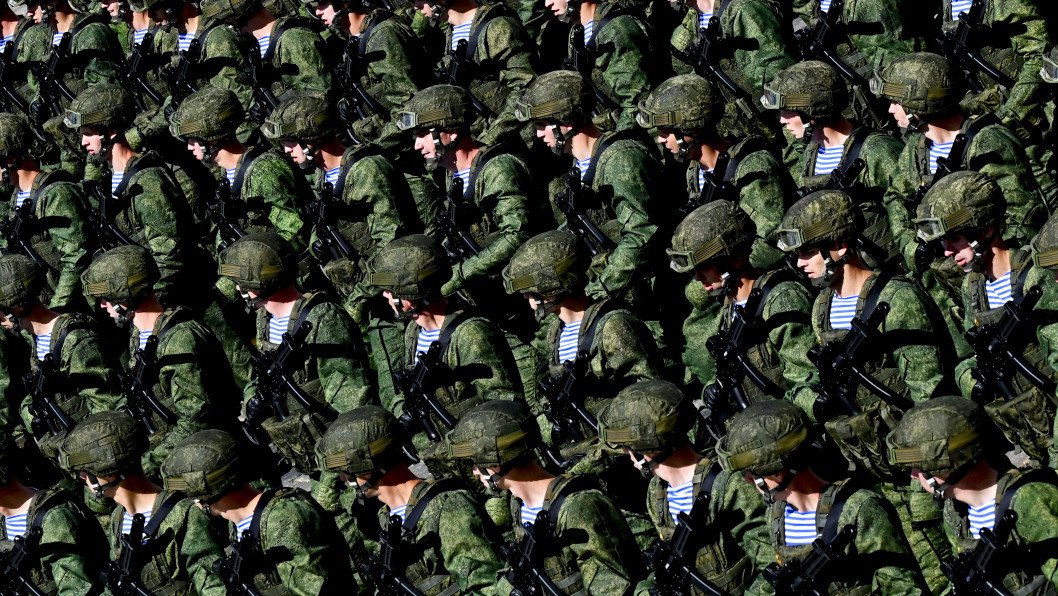
As NATO adapts to these threats, the Admiral stressed that Ukraine has transitioned from a security consumer to a critical security provider. Ukrainian troops now regularly act as “red team” instructors for NATO forces, transferring vital, real-world experience in drone warfare and modern countermeasures directly into alliance doctrine.
At the same time, the alliance is analyzing shifting aerial dynamics on other fronts. Unlike the drone-and-missile-heavy war in Ukraine, the conflict in Iran has reaffirmed the absolute necessity of traditional air superiority.
Dragone noted to RBC.ua that while developing cheap anti-drone defenses is crucial, large capital ships like aircraft carriers aren’t irrelevant and remain devastatingly effective when properly protected and deployed strategically.
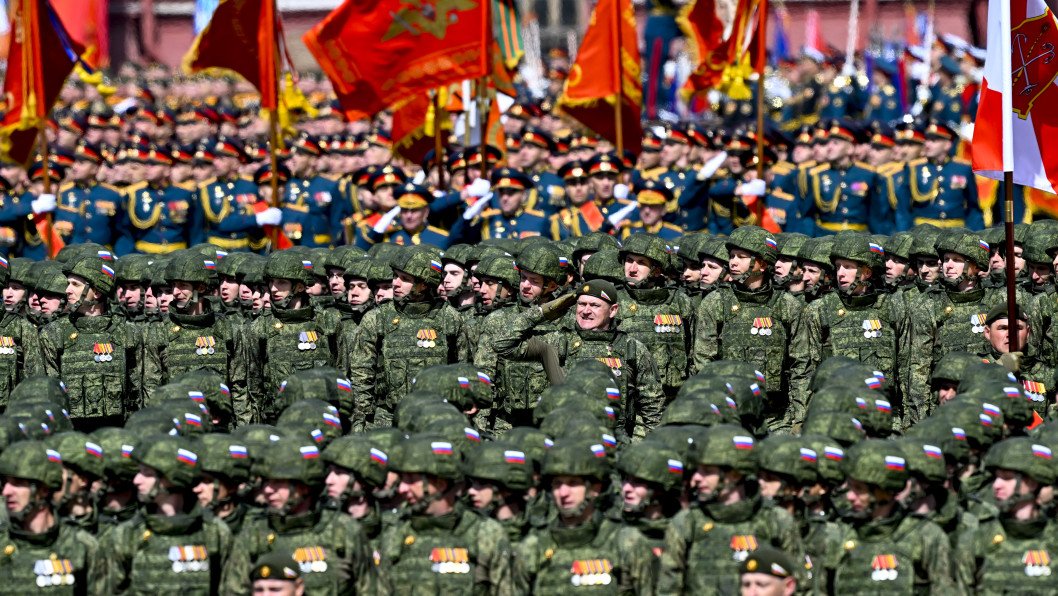
Admiral Dragone’s assessment is not the first time European officials have mentioned the danger of Russian imperialistic ambitions and the immediate threat of further invasions into Europe.
Just recently, Polish Prime Minister Donald Tusk warned that Russia could launch an attack on a NATO member within months, rather than years. Tusk questioned the alliance’s practical readiness to respond to such a scenario, pointing to an incident last year where roughly 20 Russian drones entered Polish airspace as a deliberate provocation that some allies initially tried to downplay.
Echoing the call for greater European self-reliance, Tusk urged EU countries to strengthen their own defense cooperation and build real military power rather than relying solely on written commitments from the United States.
Discuss this article: