- Category
- Latest news
Full Combat, Ceasefire, or Hybrid Aggression Against NATO—Russia Weighs Three Possible War Scenarios
 Prefer U24 Media on Google
- Authors


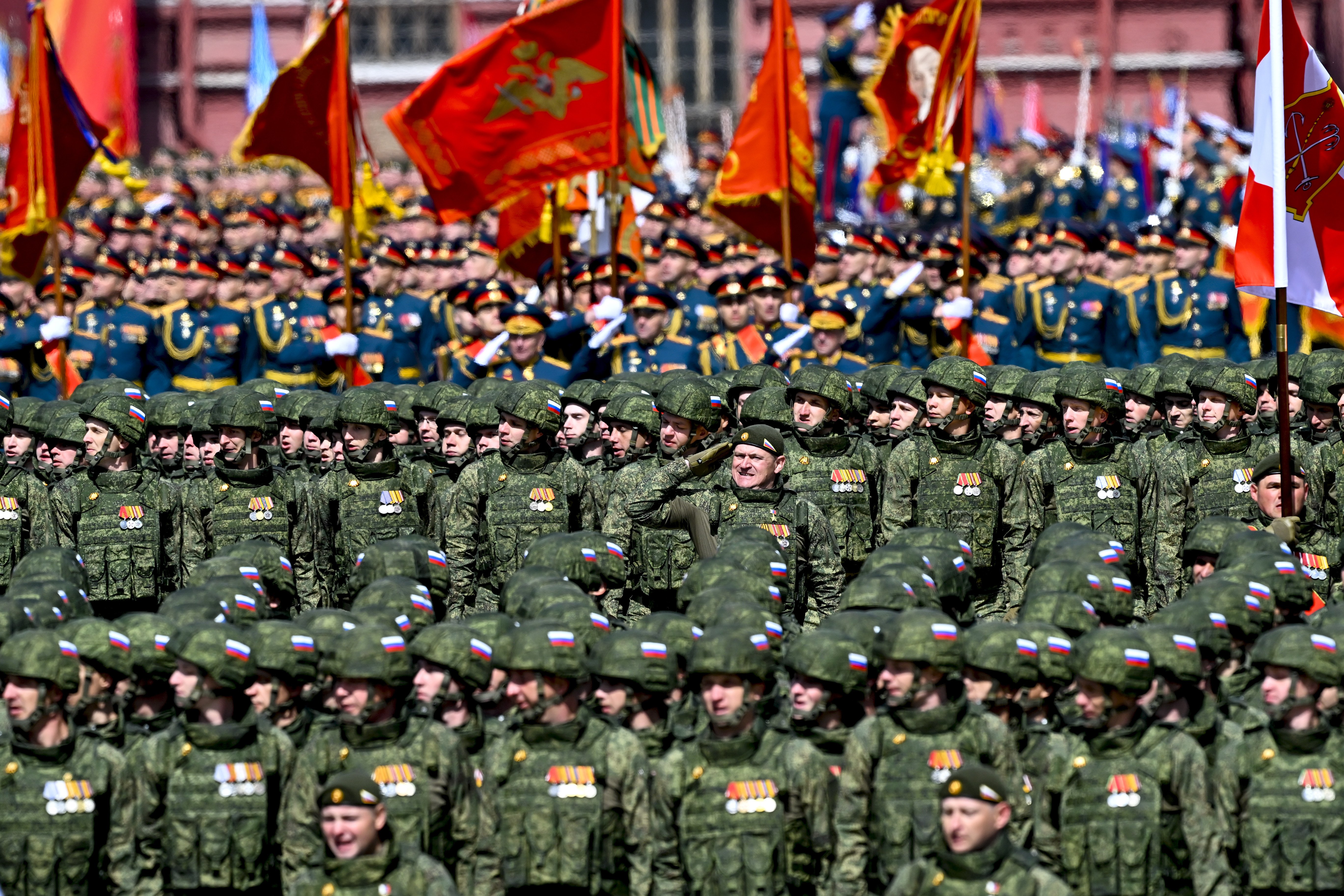
Russia is currently considering multiple options for the development of the war, ranging from continuing full-scale combat to freezing the conflict or even engaging in hybrid aggression against NATO.
Andrii Kovalenko, head of the Center for Countering Disinformation (CCD), shared these insights via Telegram on April 16.
We bring you stories from the ground. Your support keeps our team in the field.
The first scenario, according to Kovalenko, involves Russia's continuation of the war at full scale, at least until 2028.
“Currently, the Russians are betting on a spring-summer offensive attempt this year. The scenario of the war lasting until 2028 is not realistic without future mobilization in Russia,” he stated.
The second scenario that Moscow is contemplating is a gradual shift towards a ceasefire and freezing the war. Kovalenko noted that Russian state-controlled media is laying the groundwork for this outcome by promoting a narrative that Russian leader Vladimir Putin was misinformed about the frontlines.
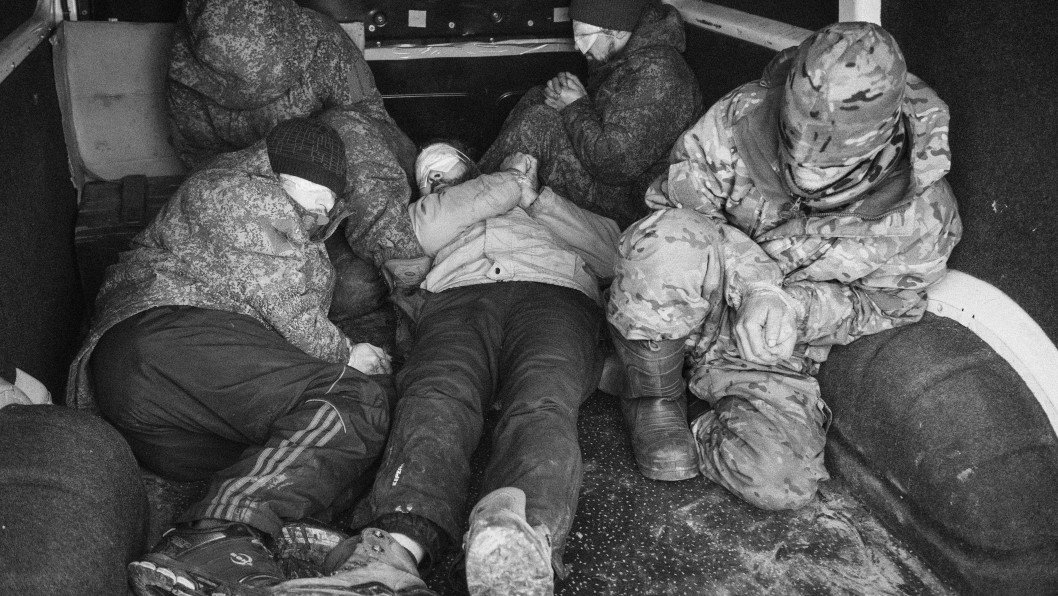
The third scenario involves an escalation of the war against Ukraine, followed by a transition towards hybrid warfare against NATO, particularly in the Baltics, closer to 2028.
“These could be aggressive actions against the Baltic states. Against this backdrop, a bill is being pushed in Russia that would allow the use of the military in other countries for the ‘protection of Russian citizens’,” the head of CCD noted
Kovalenko also pointed out that in the case of the Baltic states, the Kremlin may resort to drone attacks and the use of small sabotage groups of 20 individuals, who would infiltrate the territories of these countries for certain operations. Additionally, within this context, the issue of military factories located in NATO countries, which are seen as a “threat to Russia,” is already being raised in the information space.
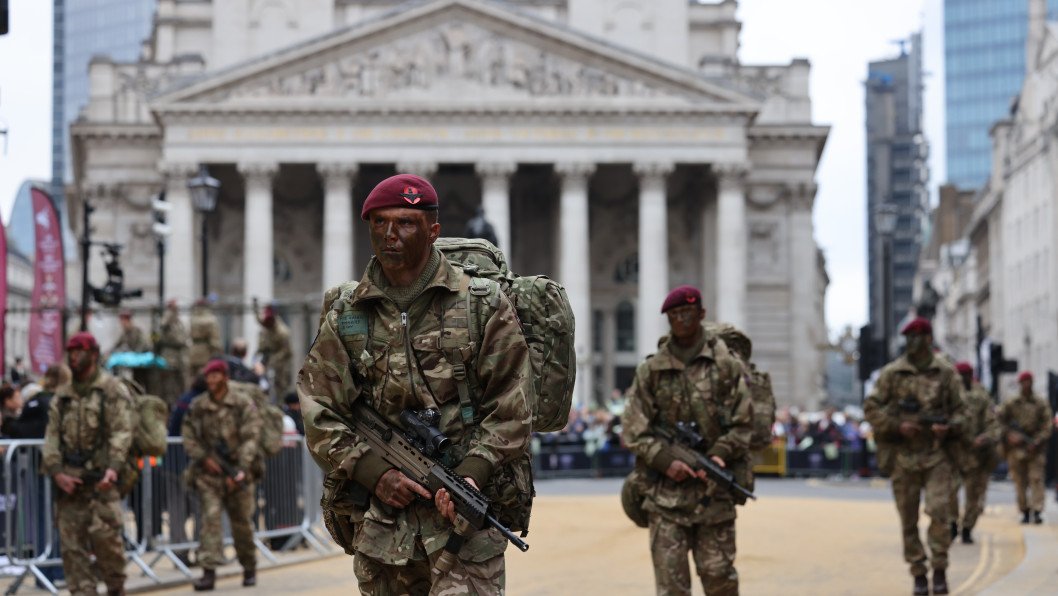
Russia's evolving strategies, including the potential for hybrid aggression against NATO, coincide with an increasing military response, highlighted by the UK's recent interception of a Russian bomber.
On April 14, it was reported that the United Kingdom deployed fighter jets after detecting a possible Russian strategic bomber approaching its northern air defense zone, triggering a rapid-response mission over the North Sea.
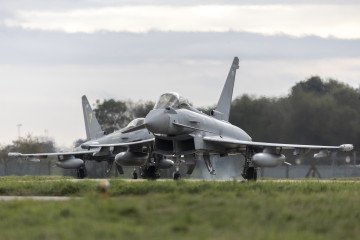
Two Royal Air Force Typhoon FGR4 jets were scrambled from RAF Lossiemouth under Quick Reaction Alert protocols after an unidentified aircraft was spotted heading toward the Shetland sector.
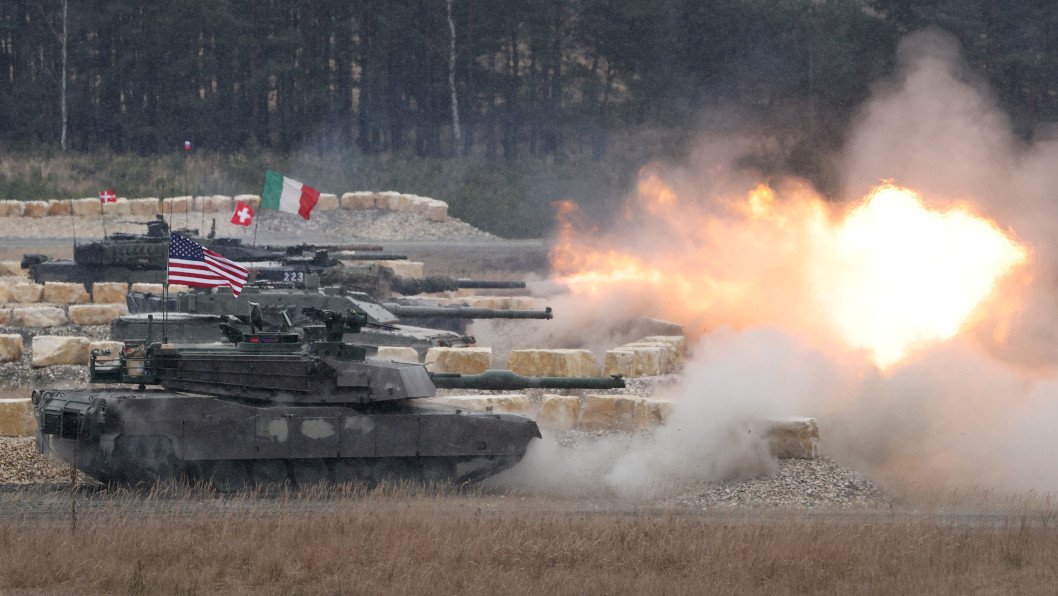
A Voyager air-to-air refueling tanker was also dispatched from RAF Brize Norton to assist in the operation, suggesting the mission might extend further.
The aircraft remained outside UK sovereign airspace, staying beyond the 12-nautical-mile boundary, and no visual interception was conducted before the mission ended.
Portuguese Air Force F-16AM Fighting Falcon jets, deployed to Estonia, recently intercepted a Russian Il-76 military transport aircraft, marking the first alert response by the Portuguese contingent since beginning their rotation at Ämari Air Base.
This deployment is part of NATO’s ongoing presence in the Baltic region, with Portugal replacing the Italian Air Force detachment.
Discuss this article:

-c439b7bd9030ecf9d5a4287dc361ba31.jpg "Photo of Katherina Popilnichenko")

-111f0e5095e02c02446ffed57bfb0ab1.jpeg "Photo of Roman Kohanets")