- Category
- World
Taiwan Builds “Hellscape” Drone Army to Deter Potential Chinese Invasion
 Prefer U24 Media on Google
- Authors

-72b63a4e0c8c475ad81fe3eed3f63729.jpeg "Photo of Cyril Barabaltchouk")
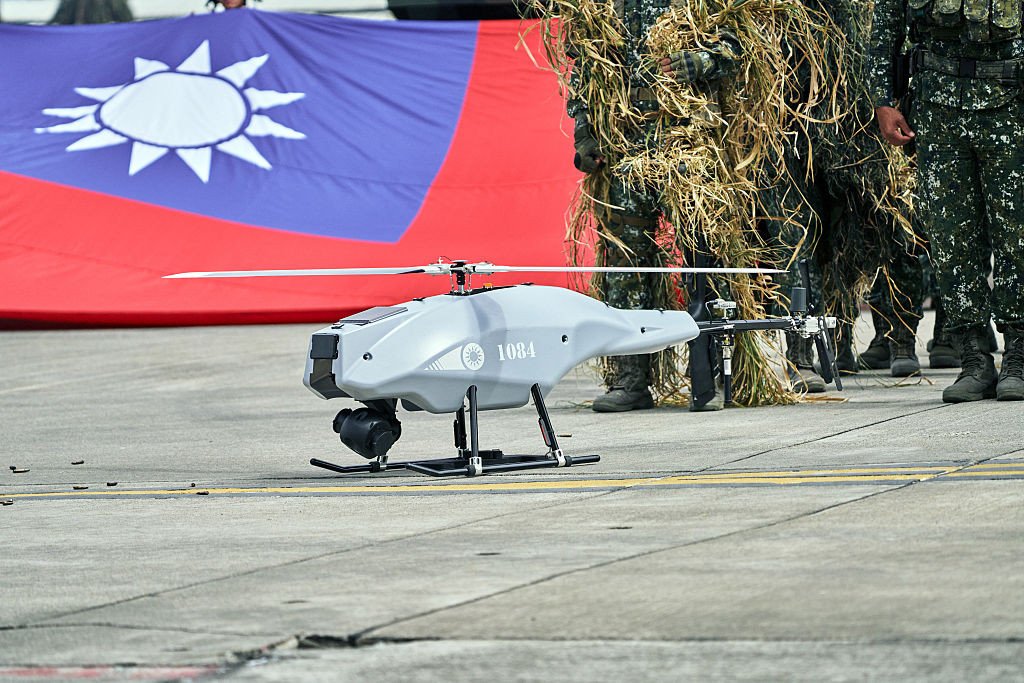
Taiwan is building fleets of aerial drones and unmanned attack boats as part of a defense strategy designed to make any Chinese invasion prohibitively costly, The New York Times reported on August 9.
Japan is undergoing a similar reassessment. Tokyo was turning to Ukraine’s battlefield experience and low-cost drones capable of intercepting Iranian-designed Shahed drones as tensions around Taiwan and Chinese military activity continue to rise.
We bring you stories from the ground. Your support keeps our team in the field.
Japan’s Defense Ministry had allocated roughly $1.7 billion in its fiscal 2026 budget for unmanned systems development, including SHIELD, a planned concept aimed at strengthening the defense of the country’s remote islands.
Taiwan's approach, developed with input from US commanders and dubbed “hellscape,” calls for overwhelming an invading force with waves of drones, missiles, and artillery. It aims to deter Beijing from attempting an amphibious assault in the first place.
“Our drone and counter-drone efforts started relatively late,” Lt. Gen. Huang Wen-chi, director general of strategic planning for Taiwan's Defense Ministry, told lawmakers, adding that the approach has shifted significantly over the past two years, according to The New York Times.
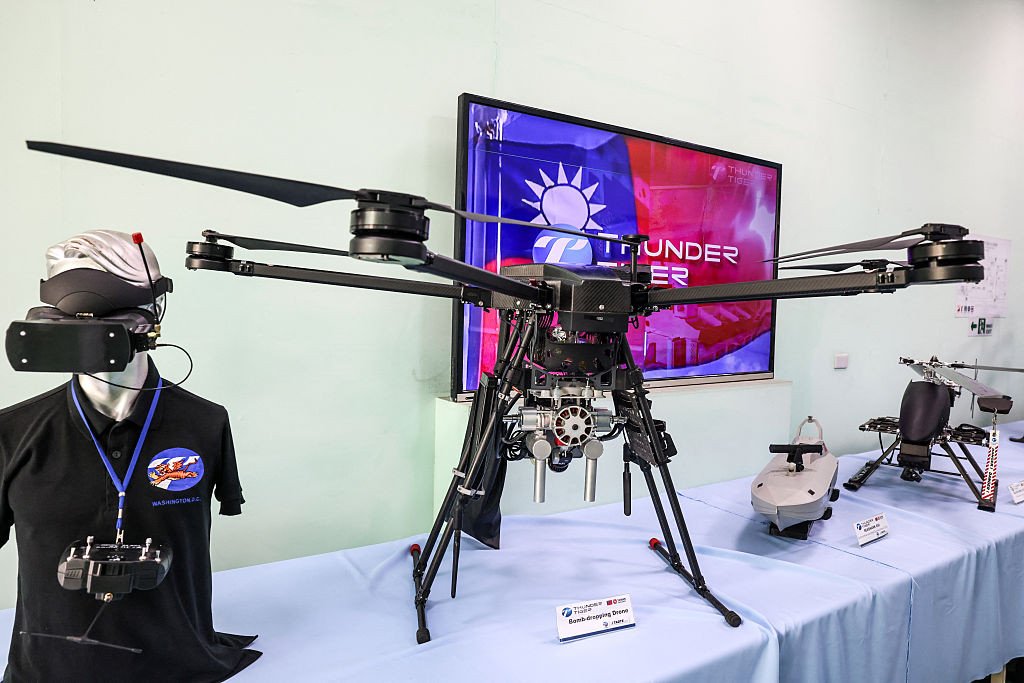
Taiwan's military has drawn directly on Ukraine’s battlefield experience, seeking to replicate what The New York Times described as Kyiv’s “David-versus-Goliath approach” — using inexpensive, agile drones to offset a much larger adversary’s advantage. Taiwan sits roughly 110 miles from China, which claims the self-governed island as its own territory and has not ruled out using force to take it.
The government has set a target of producing 100,000 drones a month by 2030, with roughly half intended for export, and wants its military to acquire more than 210,000 aerial and sea-based drones, per the report.
Retired Australian Maj. Gen. Mick Ryan, who has studied both Ukraine and Taiwan, told The New York Times that Ukraine’s recent long-range drone strikes suggest Taiwan could similarly target Chinese vessels departing port in the event of an amphibious assault.
Taiwan's harder task, experts told the outlet, is overhauling its military organization, training, and doctrine to operate drone swarms effectively — a challenge compounded by the fact that, unlike Ukraine, Taiwan has not experienced the pressures of an active war to force those changes.
Taiwan is also positioning itself as a global drone-component supplier as democracies look to reduce reliance on Chinese-made parts. The island exported $115 million worth of drones in the first three months of 2026 alone, surpassing its total exports for all of 2025, according to Taiwan's Ministry of Economic Affairs, cited by The New York Times. The Czech Republic is the top destination, though many of the drones reportedly make their way to Ukraine.
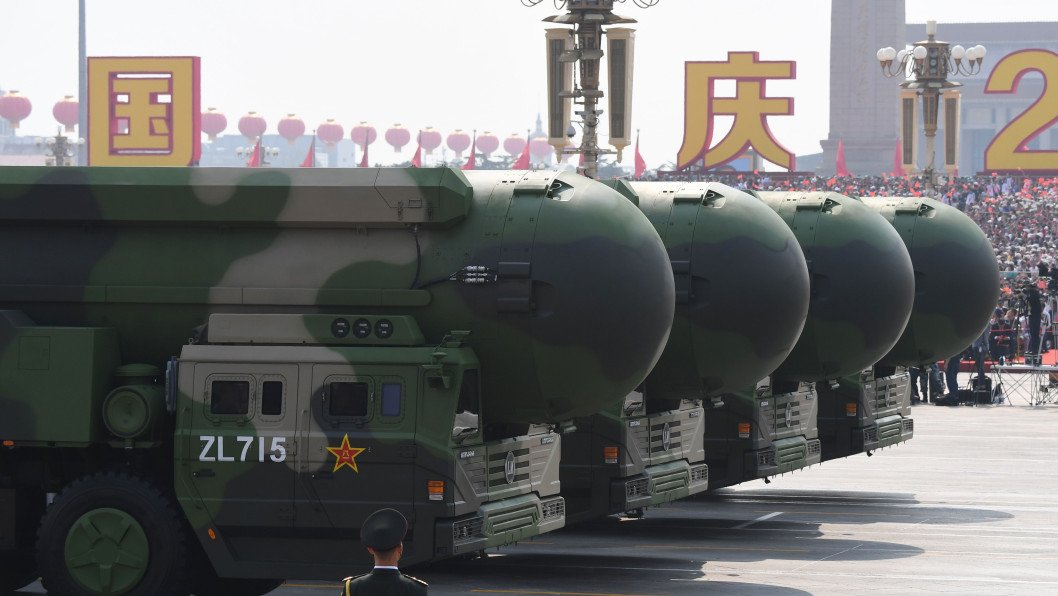
China has meanwhile demonstrated its own drone swarm capabilities. Beijing had previously showcased its Atlas system, which allows a single operator to launch and coordinate up to 96 fixed-wing drones simultaneously from a single command vehicle. During testing, the system autonomously identified and struck a target among decoys, deploying drones organized into reconnaissance, electronic warfare, and strike roles.
Chinese military expert Wang Yunfei said the technology, driven by advances in artificial intelligence, could allow drones launched in waves to overwhelm enemy air defenses and strike deep inside enemy territory undetected.
Discuss this article:



-c439b7bd9030ecf9d5a4287dc361ba31.jpg "Photo of Katherina Popilnichenko")