- Category
- World
Russia Holds Rare Talks With German, French and British Ambassadors in Moscow, Requested by Kremlin
 Prefer U24 Media on Google
- Authors

-111f0e5095e02c02446ffed57bfb0ab1.jpeg "Photo of Roman Kohanets")
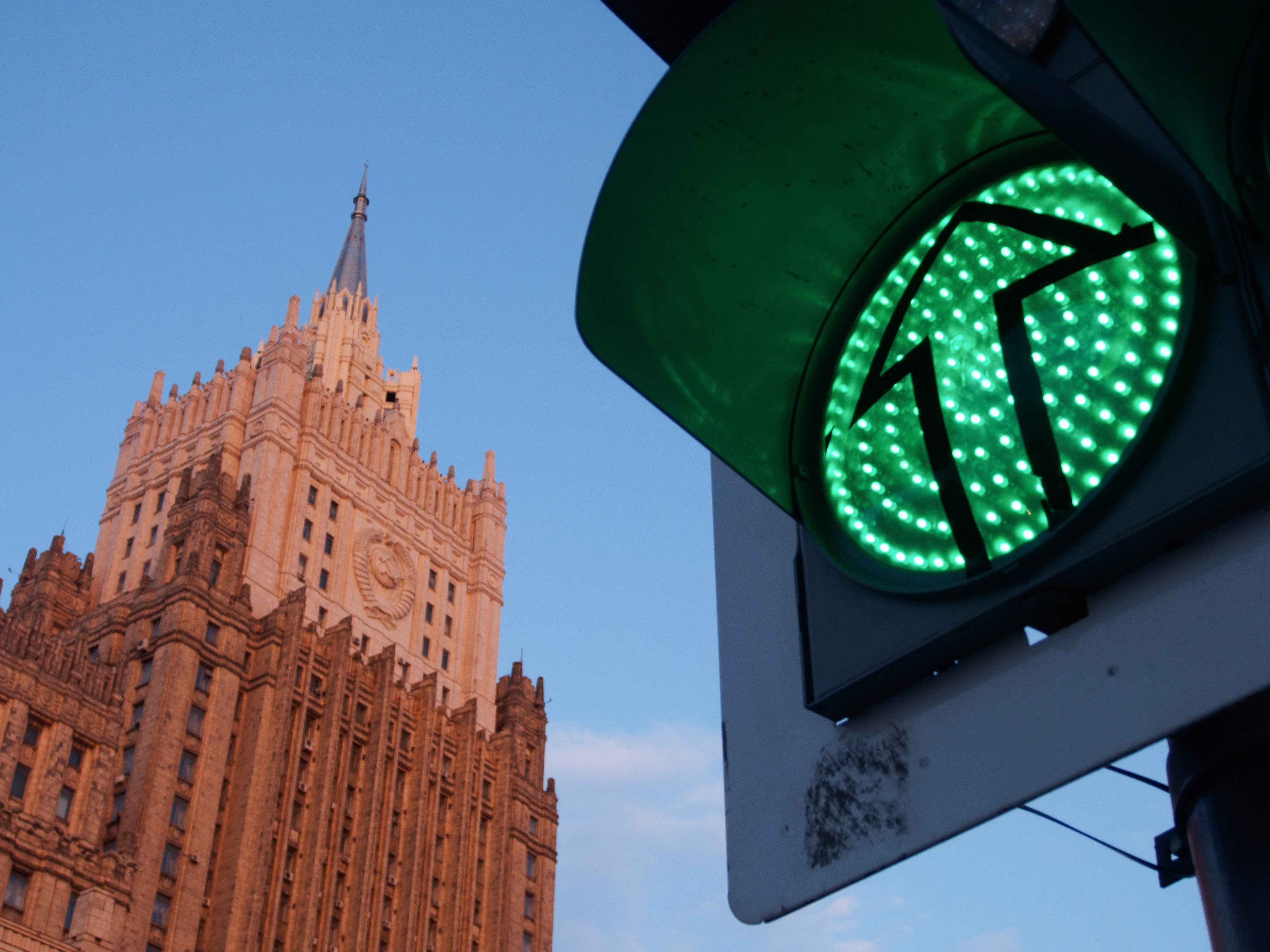
The ambassadors of Germany, France, and the United Kingdom arrived at Russia's Foreign Ministry in Moscow around midday on June 11 for a meeting requested by the Russian side, German broadcaster n-tv reported that day.
The channel's Moscow correspondent, Rainer Munz, confirmed the three envoys' arrival live on air. The Russian state news agency TASS stated that they would be received by Deputy Foreign Minister Mikhail Galuzin.
We bring you stories from the ground. Your support keeps our team in the field.
The meeting marked a rare direct contact between Moscow and the three European powers at the center of efforts to end the war, and its purpose remained unclear.
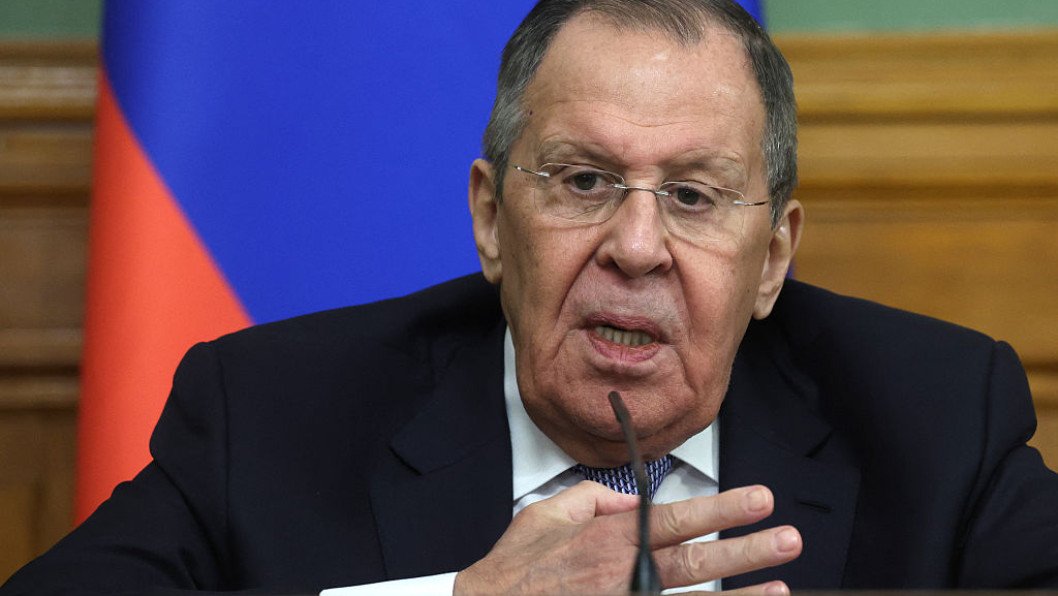
Munz noted that Russia's foreign minister, Sergei Lavrov, had tied the encounter to a European statement on settling Russia's war against Ukraine. The leaders of Germany, France, Britain, and Ukraine had agreed on the framework in principle in London.
Lavrov earlier dismissed it as "an impudent demand for Russia's capitulation," according to Munz.
Russia requested the meeting, and its timing puzzled the embassies. Munz indicated that Germany's mission in Moscow could not explain why the Russian side had now summoned the envoys, adding that no new diplomatic approach had preceded the invitation.
The German embassy traced the encounter to a request the three ambassadors made in February. At that time, Russian foreign intelligence had accused France and Britain of helping Ukraine build a nuclear or "dirty" bomb.
The envoys had pressed the ministry to present its evidence directly; no reply came then, and the invitation followed only now.
The three governments form the E3—France, Germany, and the United Kingdom — the grouping of European capitals that have been placed at the center of any settlement.
The European Union, meanwhile, signaled contact with Moscow across several tracks. Anita Hipper, the European Commission's chief spokesperson for foreign affairs and security policy, explained that talks were underway with Russian representatives in various formats and at various levels.
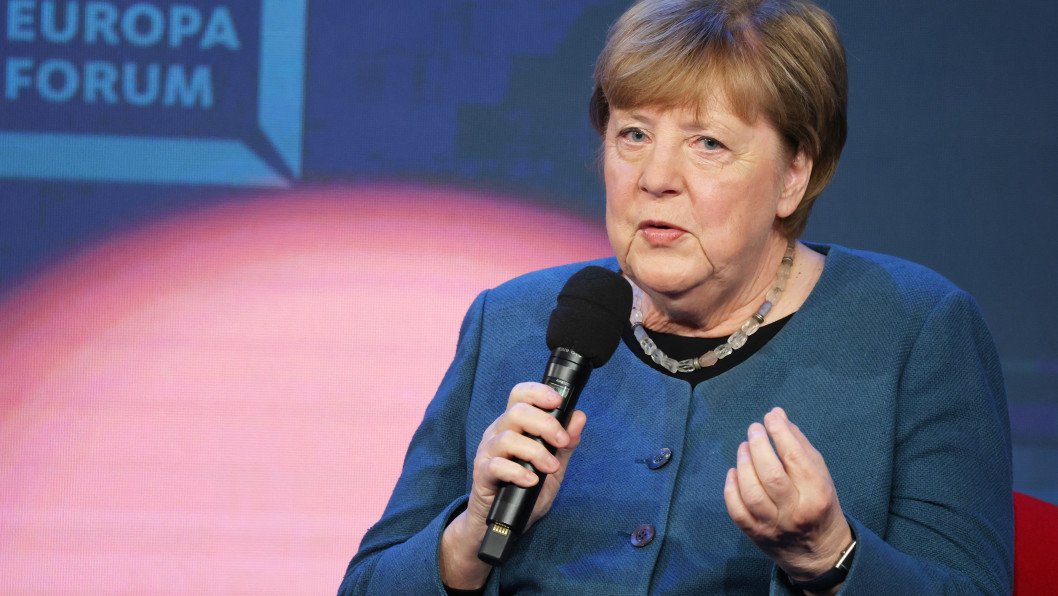
She emphasized that the bloc and Kyiv both want peace but saw no sign of it. The EU, she added, would hold firm on its newly adopted sanctions against Russia.
That settlement framework had taken shape only days earlier. At their London meeting on June 7, the leaders of the United Kingdom, Germany, France, and Ukraine set out the principles they consider necessary for a just peace.
They pressed the Russian leader, Vladimir Putin, to accept an immediate and comprehensive ceasefire and held that the current frontline should anchor any talks, with borders not to be redrawn by force. They also affirmed that Ukraine must keep the sovereign right to choose its own security arrangements.
Discuss this article:
-9bd5e1532102621f8fb1c4ba871a3171.png)


-a0d157e1f6f04033b54a1b71f05dabe3.jpg "Russia’s Military Is Expanding Across Africa. Suspiciously, So Is Its Church")