- Category
- World
An Arctic Route Backfires for a Russian Shadow Fleet Tanker Heading to China
 Prefer U24 Media on Google
- Authors

-c439b7bd9030ecf9d5a4287dc361ba31.jpg "Photo of Katherina Popilnichenko")
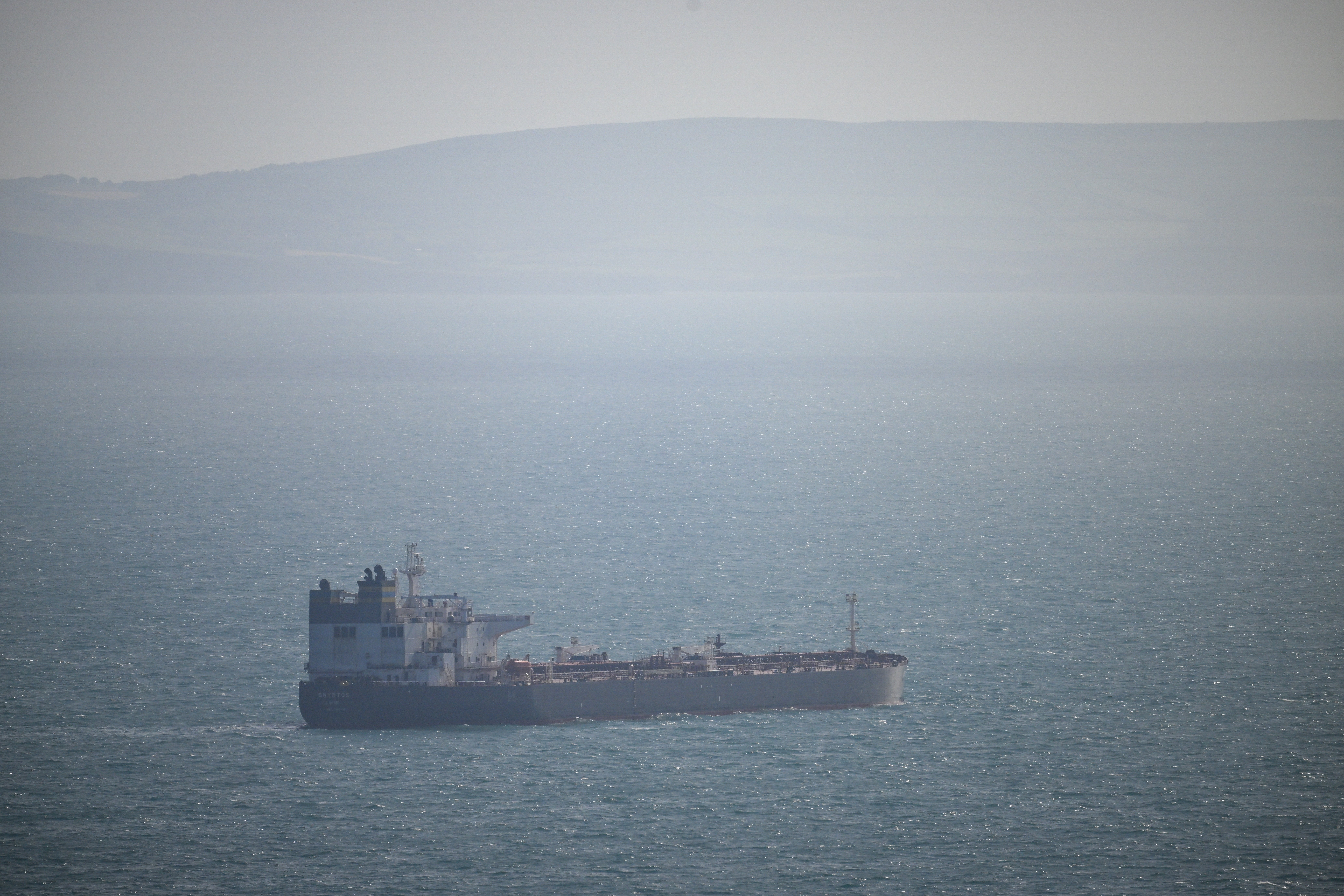
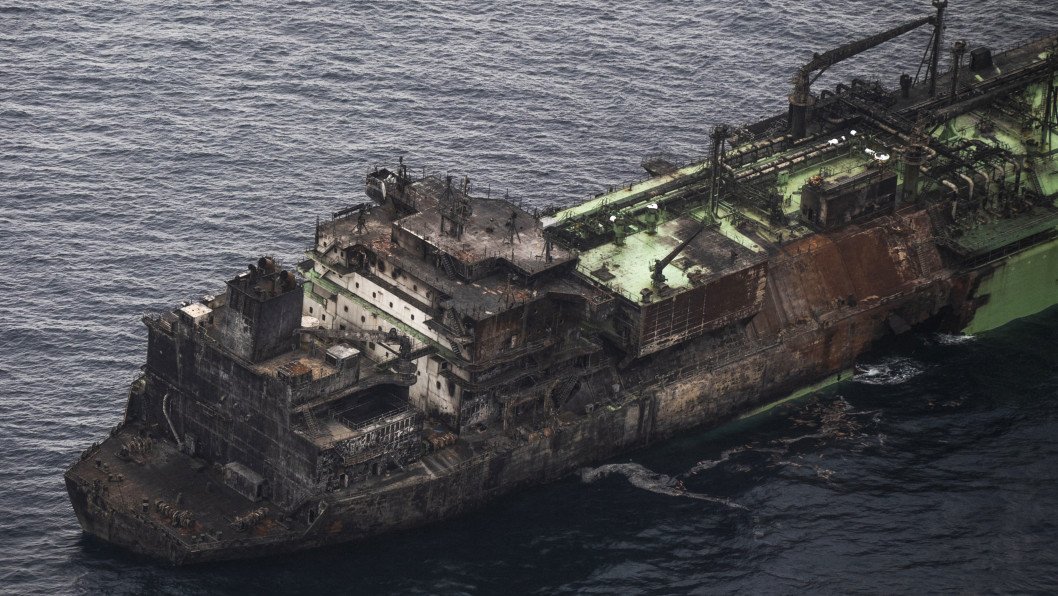
An attempt by Russian authorities to reroute oil exports to China through Arctic waters has ended in an accident, as a loaded oil tanker suffered major hull damage while traversing the Arctic Ocean.
The insurer AlfaStrakhovanie paid 53 million rubles ($638,000) in compensation for the damage, which occurred even though an icebreaker was accompanying the vessel, according to maritime news outlet gCaptain, as reported by The Moscow Times on August 13.
We bring you stories from the ground. Your support keeps our team in the field.
The specific ship involved and the exact time of the accident remain unknown because the insurance company did not release these details, and Russian state agencies stopped issuing official maritime safety warnings in the Arctic in 2026.
This incident marks the second recent emergency involving China-bound oil shipments and at least the fourth in the region over the past 15 years.
Last year, the tanker Lynx, carrying about 1 million barrels of Russian crude destined for China, became trapped in ice in the East Siberian Sea and needed assistance from a nuclear icebreaker to resume its journey.
Earlier accidents include a 2015 collision in the Laptev Sea between the tankers Svyatoy Petr and Svyatoy Pavel, as well as a 2010 collision involving the Indiga and Varzuga, which were carrying 26,000 tons of diesel without causing an oil spill.
Despite these environmental hazards, Moscow dispatched a fleet carrying approximately 8 million barrels of oil through the Arctic Ocean to Asian markets this summer.
By comparison, only a single tanker utilized the Northern Sea Route for crude transport in July 2025. The 5,600-kilometer shipping lane cuts delivery times between Asia and Europe by 7 to 10 days, making it a key strategic target for Russian leadership.
In 2018, official targets were set to expand cargo volume along the route to 80 million tons by 2024 and 200 million tons by 2030. However, actual transit volumes stood at 37 million tons last year and 38 million tons the previous year.
Previously, the Foreign Intelligence Service of Ukraine reported that Russia assembled a reserve "shadow fleet" of liquefied natural gas (LNG) tankers to evade upcoming European Union sanctions scheduled for January 1, 2027.
To maintain its export revenues, Moscow used complex ownership schemes and anonymous front companies to purchase aging vessels on the global market, expanding the fleet to approximately 23 ships. Over a five-month period, six old LNG carriers joined the fleet, following the acquisition of seven similar vessels between February 2024 and May 2025.
In the first quarter of 2026, Russia bought four additional carriers—ORION, KOSMOS, MERKURYY, and LUCH—from a Middle Eastern owner and immediately deployed them for gas transportation.
Discuss this article:
-4a56a6b482ec132402c16ef6fcabf9a2.png)