- Category
- World
Russian Warships, Submarines and Shadow Fleet Tankers Keep Britain’s Navy Busier Than Ever
 Prefer U24 Media on Google
- Authors


British warships and helicopters spent significantly more time tracking Russian naval activity in July as Moscow maintained an elevated presence around UK waters and across the North Atlantic, according to Zona Militar on August 11.
Royal Navy patrol ships and aircraft devoted 21 days to monitoring Russian vessels during the month, up 25% from July 2025, according to figures released by the British Navy.
We bring you stories from the ground. Your support keeps our team in the field.
The increase reflects a broader rise in Russian naval activity involving surface combatants, submarines, and vessels linked to Moscow’s shadow fleet.
According to Zona Militar, the patrol ships HMS Tyne, HMS Mersey, and HMS Severn were all involved in tracking Russian naval units during July.
They were supported by Wildcat helicopters from 815 Naval Air Squadron and Merlin helicopters configured for anti-submarine warfare, allowing the Royal Navy to monitor both surface ships and underwater activity across British areas of responsibility.
A summary of the #RoyalNavy's recent operations monitoring Russian activity in UK waters and the North Atlantic, including @HMSSomerset's four-month patrol.⬇️https://t.co/AoKG2U86kx pic.twitter.com/XXKAdxu5ux
— Royal Navy (@RoyalNavy) August 10, 2026
The Royal Navy also said the number of deployments triggered by Russian naval movements during the first seven months of 2026 was 25% higher than during the same period in 2025.
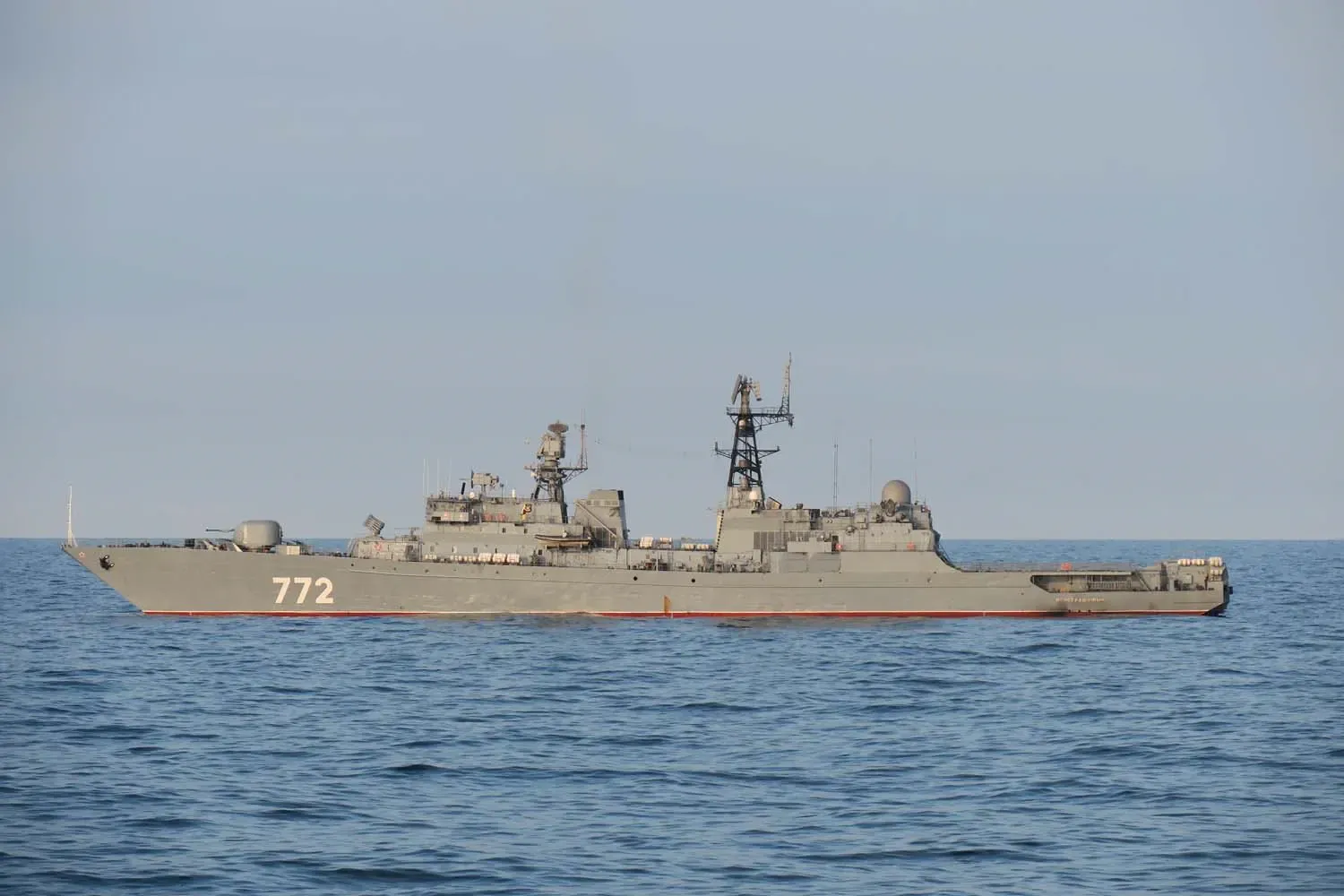
Among the vessels repeatedly monitored was the Russian frigate Neustrashimy, which crossed areas under British surveillance several times while escorting oil tankers associated with Russia’s so-called shadow fleet.
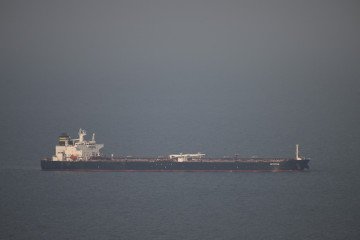
The heightened monitoring comes as Britain increasingly targets the maritime network Moscow uses to move Russian energy exports.
In June, the UK intercepted the sanctioned tanker Smyrtos in the English Channel. London has also sanctioned more than 500 vessels linked to Russia’s shadow fleet.
Russian Frigate conducts live-fire under British watch
One of the more notable encounters came on July 20, when Neustrashimy conducted live-fire exercises in international waters.
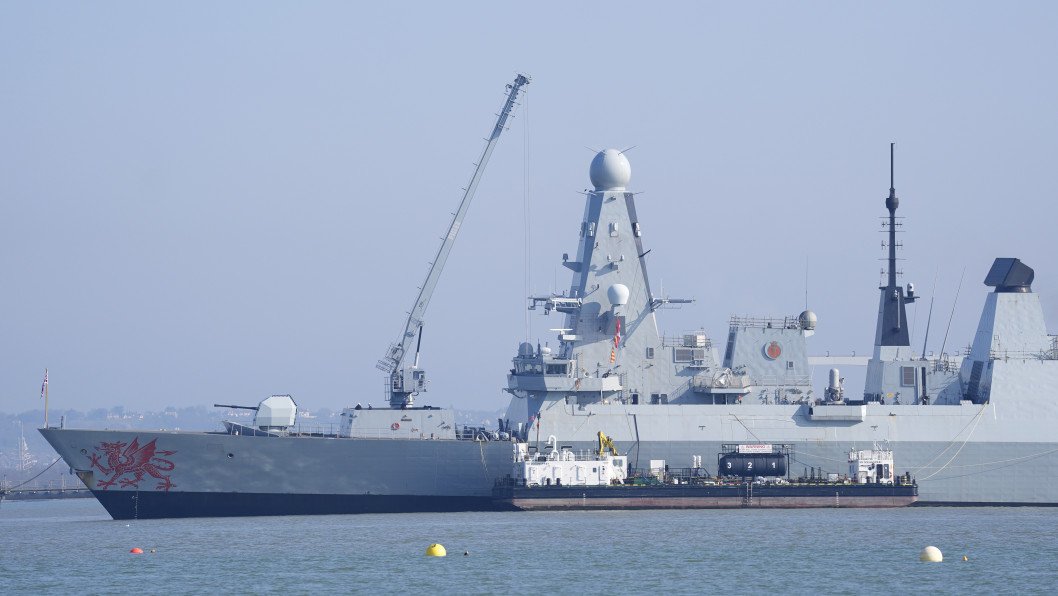
The Russian frigate notified nearby vessels in advance and asked HMS Tyne to move to a safe distance while the drills were underway.
The British patrol ship positioned itself approximately five nautical miles from the Russian vessel and continued monitoring the exercise.
.@hms_tyne outbound from Portsmouth this morning
— Navy Lookout (@NavyLookout) June 23, 2026
Via @PortsmouthProud pic.twitter.com/8pZ12Ufc3h
According to the Royal Navy, Neustrashimy fired around 20 rounds from its main 100mm gun and also used its 30mm weapons.
HMS Tyne remained nearby throughout the exercise, gathering information on the Russian ship’s operations.
“A sustained presence and close cooperation with our allies meant HMS Tyne was perfectly prepared for this task, providing reassurance and surveillance while allowing other Fleet units to continue with their operational commitments,” Lt. Cmdr. Sam Fields, HMS Tyne’s commanding officer, said.
Russian warship escorts shadow fleet tanker
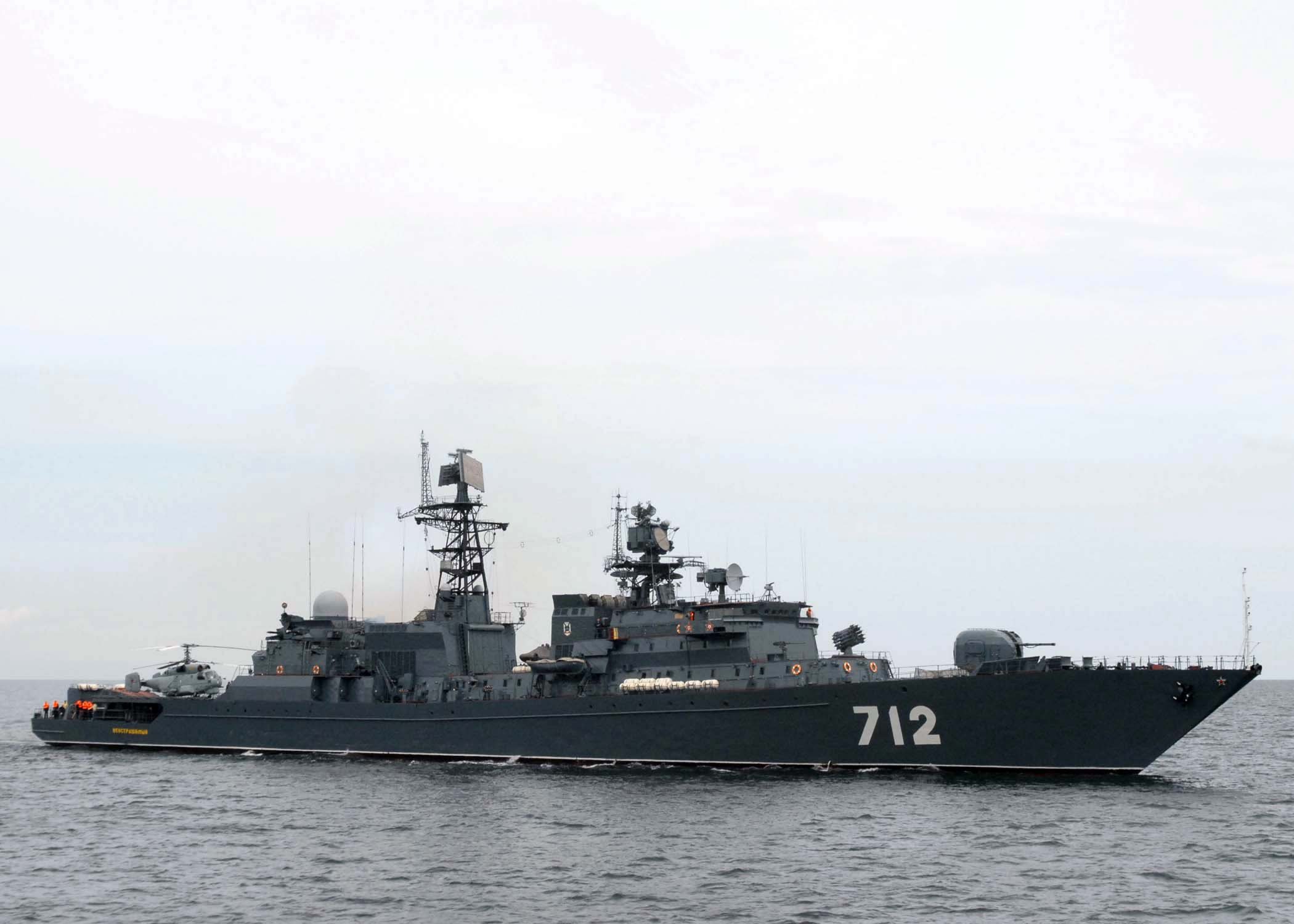
Neustrashimy was again tracked later in July, this time by HMS Severn during a three-day mission from July 23 to July 26.
According to Zona Militar, Severn took over surveillance duties in the North Sea from HMS Mersey while the Russian frigate escorted the tanker MV Vulkan from the Baltic.
The vessels continued through the Dover Strait before heading toward Ushant off the French coast.
The operation highlights the increasingly close connection between conventional Russian naval assets and tankers linked to Moscow’s shadow fleet, which Russia uses to move energy exports despite Western restrictions.
Ever vigilant, ever on patrol...@hms_tyne, @HMSLedbury, @hmssevern, @hms_mersey, @HMSSutherland and @HMSSomerset have all been involved in a 3-month-long operation monitoring Russian naval activity around the UK.https://t.co/gF8qbB05e4 pic.twitter.com/tAUItNP96K
— Royal Navy (@RoyalNavy) June 26, 2026
British frigate spends months hunting
At the same time, the Type 23 frigate HMS Somerset completed a four-month North Atlantic deployment focused on monitoring both surface and submarine activity.
The ship operated with advanced underwater sensors and a Merlin anti-submarine warfare helicopter from 814 Naval Air Squadron.
A good day to come home.
— HMS Somerset (@HMSSomerset) August 7, 2026
4 Months…26,500nm…but today is all about our loved ones. pic.twitter.com/YMN5fq3r5F
According to Zona Militar, the mission formed part of wider British operations to protect the country’s strategic nuclear deterrent while maintaining awareness of Russian submarine movements.
HMS Somerset returned to the UK on August 7 after traveling more than 26,500 nautical miles during the deployment.
“This deployment demonstrates exactly what the Royal Navy exists for—to protect the United Kingdom and our allies wherever our interests are threatened,” commanding officer Matt Millyard said.
-44803d0d56d76dbd8f8087ad762c1006.png)
Millyard also highlighted the ship’s submarine-tracking missions and cooperation with NATO allies during the deployment.
The July operations show that Britain is increasingly dedicating both ships and aircraft to tracking Russian military movements across UK waters and the wider North Atlantic.
Earlier, reports emerged that Russia has assembled an unprecedentedly large fleet of tankers, which have either begun or are preparing to transport nearly 8 million barrels of crude oil through the Northern Sea Route (NSR).
Discuss this article:



-c439b7bd9030ecf9d5a4287dc361ba31.jpg "Photo of Katherina Popilnichenko")